The Beirut Barracks Bombings - October 23, 1983
1983 · Beirut, Lebanon
The Beirut barracks bombings occurred, killing 241 U.S. and 58 French military personnel during the Lebanese Civil War.
April 18, 1983
A suicide bombing attack on the United States Embassy in Beirut kills 63 people, marking the beginning of a series of attacks against U.S. targets in the region during the Lebanese Civil War.
Beirut, Lebanon | Islamic Jihad Organization
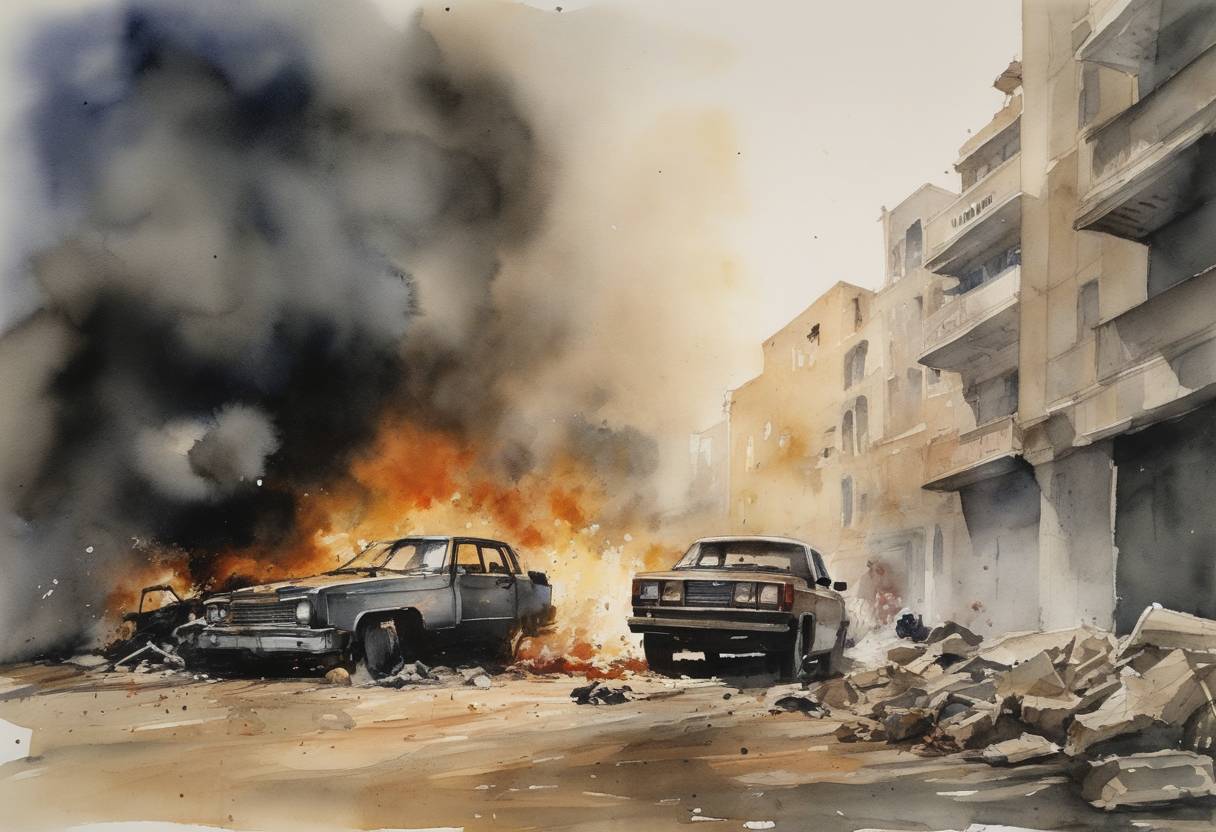
On April 18, 1983, a suicide bombing attack devastated the United States Embassy in Beirut, Lebanon, marking a significant escalation in attacks against U.S. targets during the Lebanese Civil War.
The bombing occurred at approximately 1:00 PM local time when a delivery van loaded with 2,000 pounds of explosives rammed into the embassy’s entrance. The massive explosion destroyed much of the seven-story building, causing significant casualties and extensive damage.
The attack resulted in the deaths of 63 individuals, including 17 Americans. Among the American fatalities were several CIA employees, diplomats, and military personnel. The bombing also injured over 100 people, many of whom were staff and visitors to the embassy.
The attack was later linked to Hezbollah operatives, and it is believed to have been orchestrated with the assistance of Iran. It aimed to target American presence and influence in Lebanon amidst the ongoing turmoil of the Lebanese Civil War, a complex conflict marked by factions involving religious, ethnic, and international interests.
This deadly incident was the first major attack on a U.S. facility in the region and marked the beginning of a dangerous period for American diplomats and servicemen in Lebanon. It was followed by additional attacks in the same year, including the October bombing of the U.S. Marine barracks in Beirut, which killed 241 American servicemen.
The bombing demonstrated the vulnerabilities of American diplomatic and military installations in hostile environments and led to significant changes in U.S. foreign and defense policies, including the enhancement of security measures at embassies worldwide.
The attack, and those that followed, underscored the complexities of Middle Eastern geopolitics and the persistent threats posed by non-state actors. It propelled the U.S. to reevaluate its military engagement in Lebanon and adapt its strategy in handling regional conflicts, emphasizing counterterrorism and intelligence operations.
The bombing of the U.S. Embassy in Beirut remains a pivotal moment in the history of U.S. foreign policy and Middle Eastern affairs, emblematic of the challenging security landscape that continues to influence diplomatic practices.
Source: history.state.gov