Stephen Harper's Apology to First Nations for the Residential School System
2008 · Ottawa, Canada
Canadian Prime Minister Stephen Harper formally apologizes to the First Nations for the Canadian Indian residential school system.
July 11, 1990
The Oka Crisis, a land dispute between the Mohawk people and the town of Oka, Quebec, over a proposed golf course expansion into a sacred burial ground, escalated into a 78-day standoff following police intervention.
Oka, Canada | Mohawk Nation
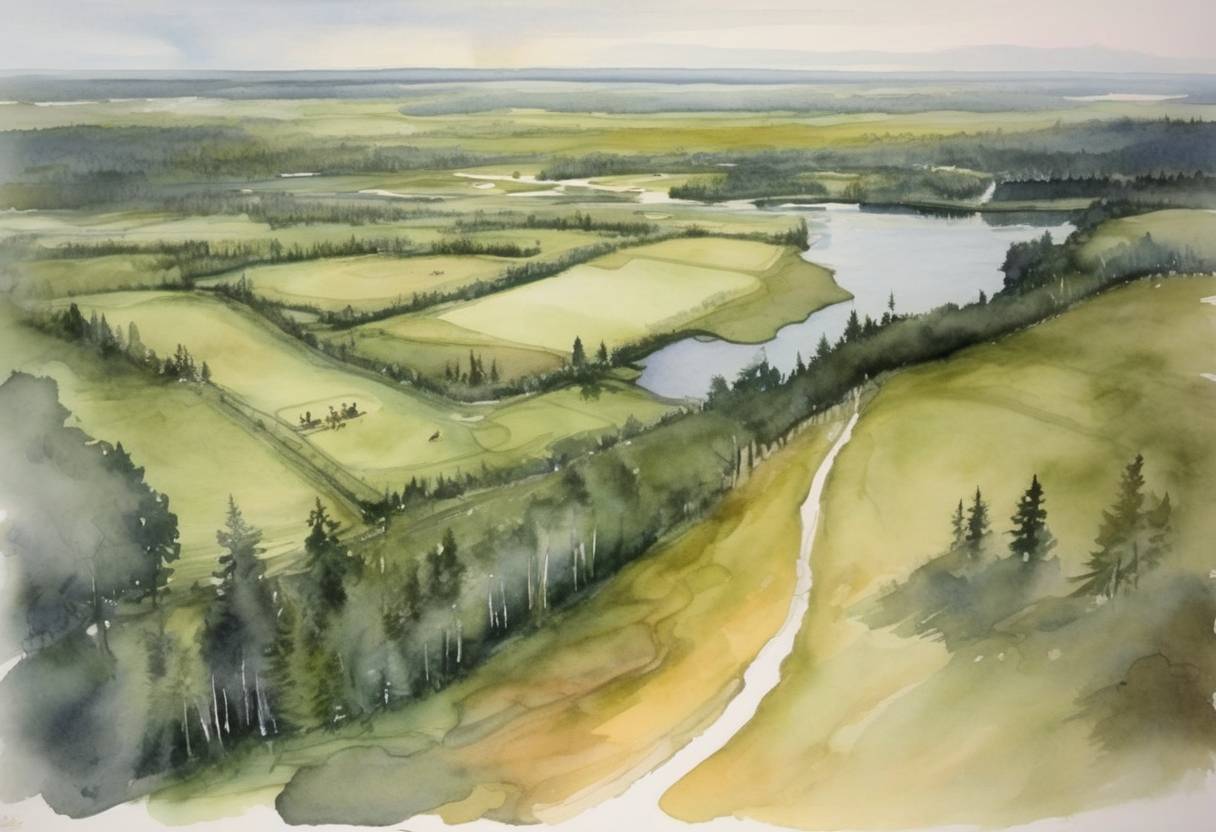
The Oka Crisis was a pivotal event in Canadian and Indigenous history, unfolding during the summer of 1990 in Kanesatake, Quebec. The conflict centered on a land dispute involving the Mohawk Nation and the town of Oka, Quebec. The Mohawk people were opposing the expansion of a golf course and development of townhouses on land they claimed as their ancestral burial ground, a site of enormous cultural and spiritual significance.
The tensions began earlier in the year when the municipality announced the golf course expansion. Despite years of attempted negotiations and legal challenges, the Mohawk’s land claims remained largely unresolved, a reflection of longstanding disputes involving Indigenous land rights in Canada. The situation escalated when the local government proceeded with the development plans without the consent of the Mohawk community.
On July 11, 1990, the situation reached a boiling point. The town of Oka requested police intervention, leading to an aggressive raid by the Sûreté du Québec (SQ), Quebec’s provincial police force. The police aimed to dismantle barricades that the Mohawk protesters had set up to block access to the disputed land. The raid quickly turned violent, resulting in the tragic shooting death of SQ Corporal Marcel Lemay, further inflaming the situation.
The raid triggered a 78-day standoff involving the Mohawk community, police, and later the Canadian military. The Mohawk established barricades at key access points, and similar protests erupted in other Indigenous communities, including Kahnawake, another Mohawk reserve, which led to widespread disruptions, including road and railway blockades.
The standoff captured national and international attention, highlighting the broader issues of Indigenous rights, governance, and the Canadian government’s failure to adequately address longstanding Indigenous land claims. The crisis concluded on September 26, 1990, when the Mohawk Warriors dismantled their final barricades, partly due to an agreement that the disputed expansion would not proceed.
In the years following the Oka Crisis, it served as a catalyst for significant changes in the relationships between Indigenous peoples and the Canadian government. It prompted a reevaluation of Indigenous land rights and triggered the formation of the Royal Commission on Aboriginal Peoples. Nonetheless, the crisis also exposed deep-seated issues and complicated the dialogue on reconciliation and land claim resolution efforts.
The Oka Crisis remains a symbolic and pivotal moment in Canadian history, underscoring Indigenous sovereignty issues and the need for improved dialogue and negotiation on treaty rights and land claims. It reinforced the importance of addressing these disputes through peaceful negotiations and highlighted the persistent challenges Indigenous communities face within Canada.
Source: www.thecanadianencyclopedia.ca