The Treaty of London: Ending the Bishops' Wars
1641 · London, England
The Treaty of London was signed, ending the Bishops' Wars between England and Scotland. This treaty was part of the larger conflict that led to the English Civil War.
August 16, 1328
The Treaty of Salisbury was ratified, an important agreement in the context of Scottish and English relations during the First War of Scottish Independence. The treaty confirmed the terms of the Treaty of Northampton, signed earlier in the year, which recognized the independence of Scotland and Robert the Bruce as its king.
Salisbury, England | Scottish Kingdom, English Kingdom
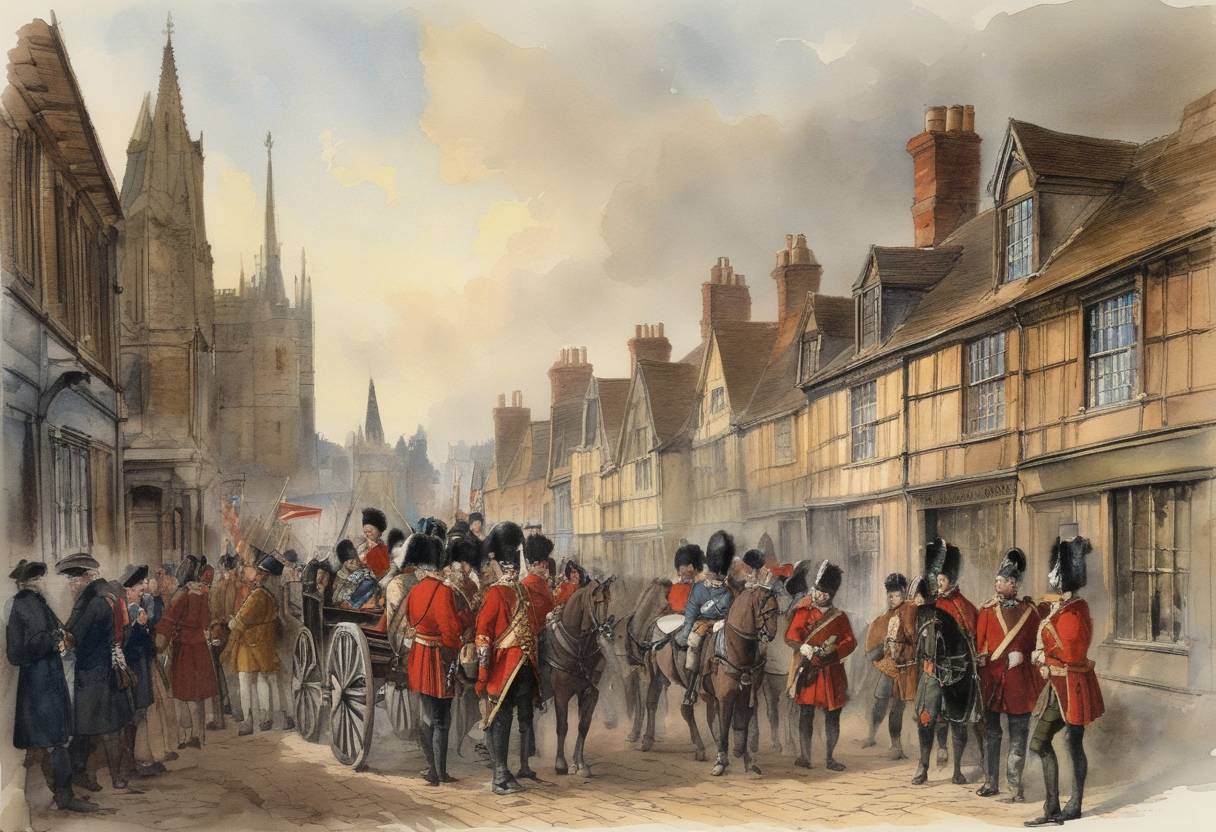
The Treaty of Salisbury, ratified on August 16, 1328, was a crucial document in solidifying peace and confirming the terms of the earlier Treaty of Northampton between England and Scotland during the First War of Scottish Independence.
First War of Scottish Independence: This conflict began in 1296 when King Edward I of England invaded Scotland, seeking to assert English overlordship. The Scots resisted, leading to a prolonged series of battles and negotiations.
Robert the Bruce: After the decisive Battle of Bannockburn in 1314, Robert the Bruce, who had declared himself King of Scots in 1306, solidified his position against English claims over Scotland.
Treaty of Northampton: Signed on May 17, 1328, this treaty was a monumental step in acknowledging Scotland’s independence under the leadership of Robert the Bruce. It marked a cessation of hostilities and recognized Bruce’s status as the legitimate King of Scots.
Ratification: Although the Treaty of Northampton laid the groundwork, the Treaty of Salisbury’s ratification on August 16, 1328, acted as a formal endorsement and reiteration of those terms. It was essential to cement the agreements from the earlier treaty.
Terms and Conditions: The treaty recognized:
Royal Marriages: As part of the agreement’s broader peace strategy, the marriage of Joan of England, sister to King Edward III, to David II, son of Robert the Bruce, was orchestrated. This union aimed to foster peace through dynastic ties.
Temporary Peace: The treaty marked a temporary peace period between the two realms. It ended English military campaigns in Scotland and affirmed Scotland’s sovereignty.
Lasting Impact: While the peace was short-lived—hostilities revived under later monarchs—the acknowledgment of Scotland as an independent kingdom was a significant milestone in Scottish history.
Dynastic Alliances: The marriage alliance showed the use of dynastic marriages as a strategic diplomatic tool, reflecting the era’s broader European politics.
The ratification of the Treaty of Salisbury was an integral moment during the First War of Scottish Independence, symbolizing a temporary cessation of centuries-long conflicts and setting a precedent for subsequent diplomatic negotiations between England and Scotland.
Source: en.wikipedia.org