Jean-Bertrand Aristide's Ouster on February 29, 2004
2004 · Port-au-Prince, Haiti
Jean-Bertrand Aristide, the President of Haiti, was ousted from power and fled the country amid a rebellion and political crisis.
July 9, 2021
The assassination of Haitian President Jovenel Moïse occurred, leading to political turmoil in Haiti.
Port-au-Prince, Haiti | Government of Haiti
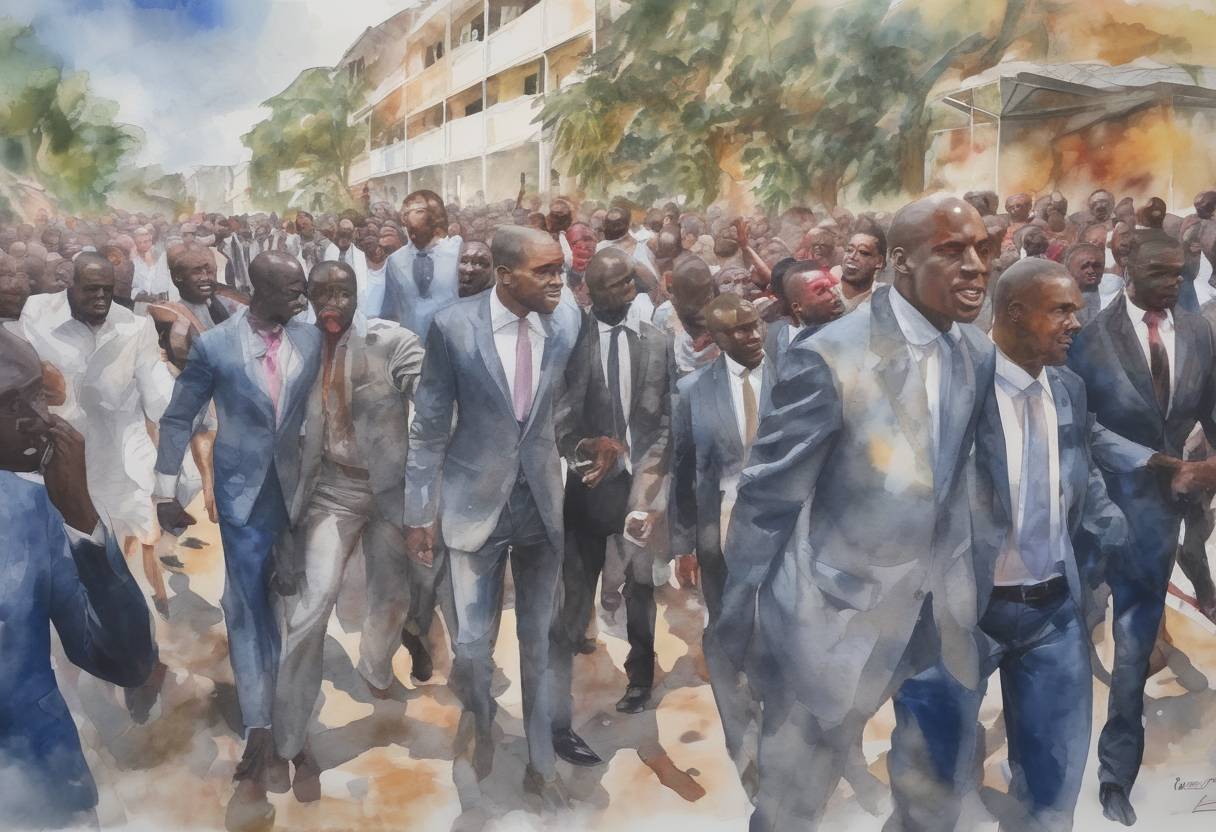
On July 7, 2021, Haitian President Jovenel Moïse was assassinated in his private residence in Pétion-Ville, a suburb of the capital, Port-au-Prince. This event plunged Haiti into a severe political crisis, exacerbating existing instability and uncertainty in the nation.
Political Instability: Prior to his assassination, President Moïse faced significant opposition and controversy over his term’s legitimacy. He had been ruling by decree since January 2020 after the country failed to hold legislative elections.
Constitutional Dispute: There was a contentious debate over when Moïse’s term should end. Moïse claimed his term would end in 2022, while opponents argued it should have ended in February 2021, leading to widespread protests and calls for his resignation.
Economic and Social Challenges: Haiti was grappling with severe economic difficulties, rampant poverty, and social unrest. The country also faced challenges from natural disasters and a struggling healthcare system, further straining the government’s capacity to maintain order.
Details of the Attack: In the early hours of July 7, a group of armed individuals stormed Moïse’s residence. The attackers, reportedly speaking Spanish and English, fatally shot Moïse and injured his wife, Martine Moïse, who survived the attack and was flown to the United States for treatment.
Immediate Aftermath: The assassination left a power vacuum and heightened fears of further violence. Interim Prime Minister Claude Joseph declared a state of siege, effectively placing the country under martial law, and called for calm.
Leadership Crisis: The assassination led to a leadership struggle, with multiple figures claiming the right to lead the country. Ariel Henry, whom Moïse had appointed as Prime Minister shortly before his death, eventually assumed the role with international backing.
International Reaction: The international community, including the United Nations and the United States, condemned the assassination and called for stability and democratic processes to be upheld in Haiti.
Ongoing Investigations: Investigations into the assassination revealed a complex web of suspects, including foreign nationals and former Colombian soldiers. The motives and masterminds behind the attack remain subjects of investigation and speculation.
The assassination of Jovenel Moïse underscored the fragility of Haiti’s political system and highlighted the deep-seated issues of governance, security, and economic disparity. It also drew attention to the international community’s role in supporting or undermining Haitian sovereignty and stability. The event marked a critical juncture in Haiti’s ongoing struggle for democratic governance and national cohesion.
Source: www.nytimes.com