End of the Ebola Outbreak in the Democratic Republic of the Congo - July 13, 2018
2018 · Kinshasa, Democratic Republic of the Congo
The World Health Organization declared the end of the Ebola outbreak in the Democratic Republic of the Congo.
March 10, 2021
The World Health Organization declared the end of the Ebola outbreak in the North Kivu province of the Democratic Republic of the Congo.
North Kivu, Democratic Republic of the Congo | World Health Organization
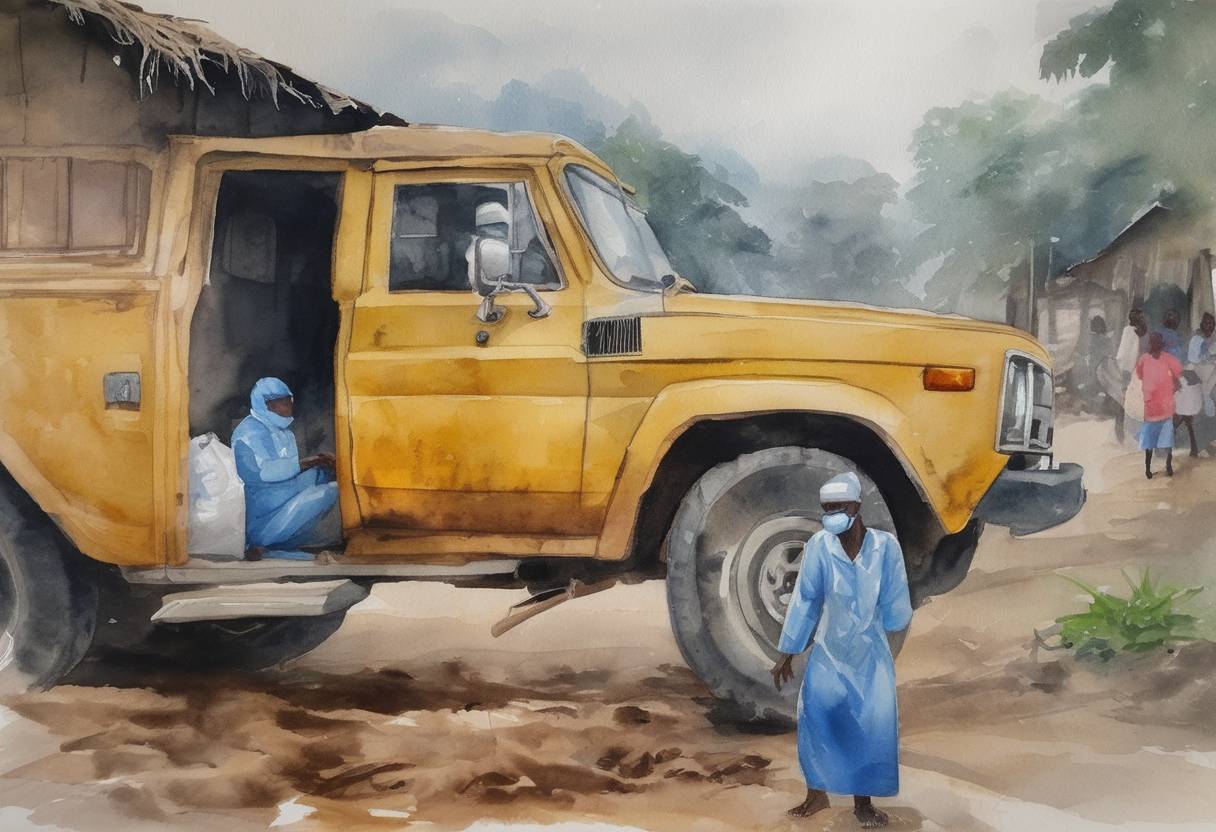
On March 10, 2021, the World Health Organization (WHO) officially declared the end of the Ebola outbreak in the North Kivu province of the Democratic Republic of the Congo (DRC). This pronouncement came after no new cases were reported for the required 42-day observation period, which is double the incubation period for the Ebola virus.
The DRC has struggled with recurring Ebola outbreaks, with the North Kivu province enduring significant challenges due to its dense population and persistent regional conflict. The outbreak that began in 2018 was particularly severe, marking the tenth and second-largest outbreak on record. It was eventually declared over in June 2020, only to have a new outbreak emerge in February 2021.
The successful containment and subsequent declaration of the end of the outbreak in March 2021 were due to several factors:
Rapid Response and Vaccination: The deployment of a strategic, rapid response from international health communities and local health workers was crucial. The ring vaccination strategy, which immunizes contacts of infected individuals and contacts of contacts, played a pivotal role in curbing the spread of the virus.
Community Engagement: Building trust with local communities through effective communication and involvement was essential in addressing misinformation and encouraging cooperation with health measures.
Healthcare Infrastructure: Strengthened healthcare infrastructure and operational capabilities, a legacy of previous outbreaks, contributed to the efficient management of the crisis.
The declaration was not just a relief for the DRC but also a testament to the importance of global and local collaboration in tackling health crises. However, the WHO and DRC health authorities remained vigilant for potential flare-ups, a common occurrence in regions with limited healthcare access and infrastructure.
This declaration underscored the ongoing need to address the underlying issues of political instability and health infrastructure in the DRC, as these are critical to preventing future outbreaks and ensuring rapid responses. With this announcement, a focus on rebuilding healthcare systems and continued community engagement became a cornerstone of the DRC’s post-outbreak recovery plan.
Overall, the end of this Ebola outbreak highlighted significant progress in epidemic management, though the journey toward lasting health security in the region requires continuous, collaborative efforts.
Source: www.who.int