The Ratification of the 24th Amendment to the United States Constitution
1964 · Washington, D.C., United States
The 24th Amendment to the United States Constitution, prohibiting the use of poll taxes in federal elections, is ratified.
July 18, 1969
Senator Edward 'Ted' Kennedy drives his car off a bridge on Chappaquiddick Island in Massachusetts, resulting in the death of his passenger, Mary Jo Kopechne.
Chappaquiddick Island, United States | United States Congress
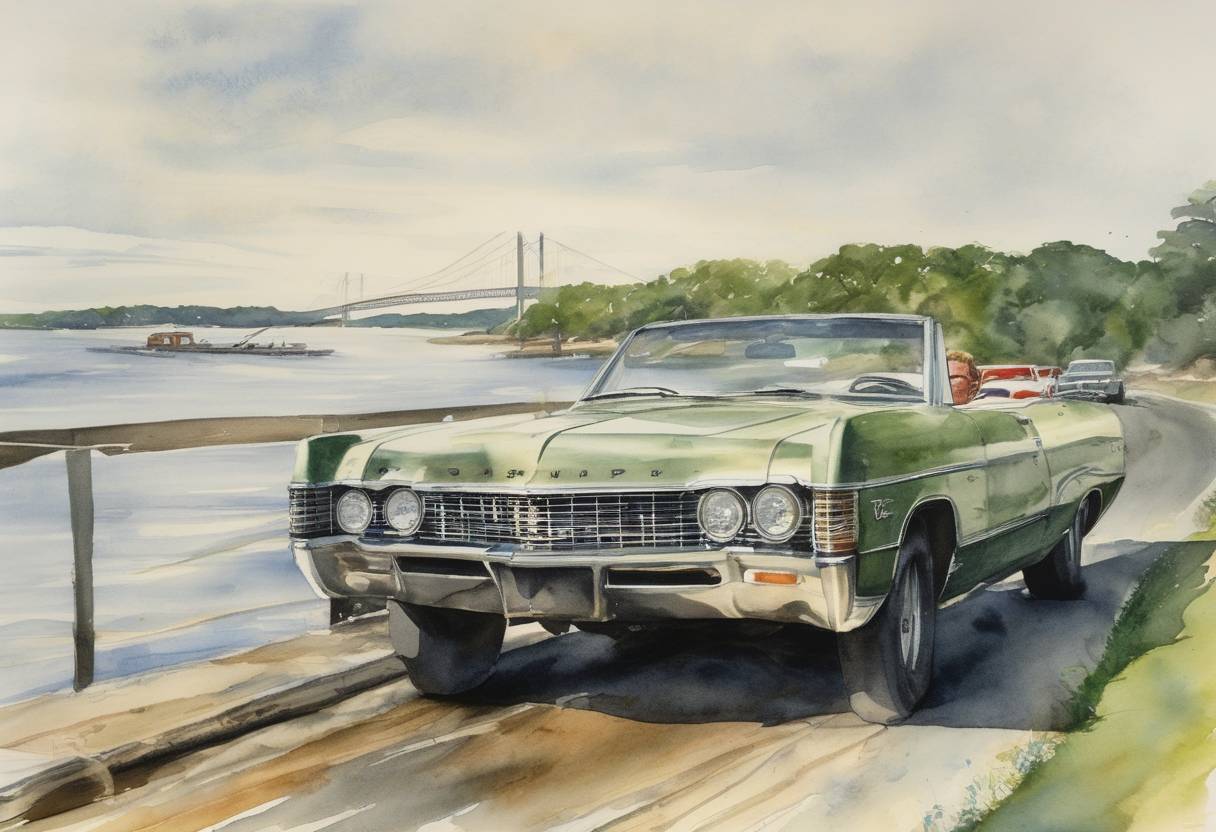
On July 18, 1969, a tragic accident unfolded on Chappaquiddick Island, Massachusetts, which involved U.S. Senator Edward “Ted” Kennedy and resulted in the death of Mary Jo Kopechne.
Ted Kennedy, a member of the prominent Kennedy political family, was attending a party on Chappaquiddick Island, which is part of the town of Edgartown on Martha’s Vineyard. The gathering consisted of the “Boiler Room Girls,” a group of young women who had worked on Robert F. Kennedy’s 1968 presidential campaign, and a few men, including Kennedy himself.
Late at night, Kennedy left the party with Mary Jo Kopechne, intending to drive her to the ferry on the main road to catch a ride back to Edgartown. Kennedy was driving a 1967 Oldsmobile Delmont 88 when he took a wrong turn onto a dirt road leading to Dike Bridge. The car went off the bridge and landed upside down in the water.
Kennedy escaped the submerged vehicle, but Kopechne did not. It took Kennedy approximately 10 hours to report the accident to the authorities.
The incident and its handling severely damaged Kennedy’s reputation and political prospects. An inquest conducted in January 1970 concluded that Kennedy “operated his motor vehicle negligently.” Despite this, Kennedy was re-elected to the Senate multiple times and served until his death in 2009.
The event generated widespread public and media attention, casting a long shadow over Ted Kennedy’s career and the Kennedy family.
The Chappaquiddick incident remains a significant moment in American political history due to its impact on Ted Kennedy’s life and career. It highlighted issues related to accountability, privilege, and the responsibilities of public officials in moments of crisis.
Source: en.wikipedia.org