1649 · London, England
King Charles I of England went on trial for treason and other high crimes against the realm. This trial eventually led to his execution.
October 28, 1344
The English parliament first convened in Westminster during the reign of Edward III, marking a formalization in how Edward consulted his subjects on important matters, setting the stage for future parliamentary developments in England.
Westminster, England | English Parliament
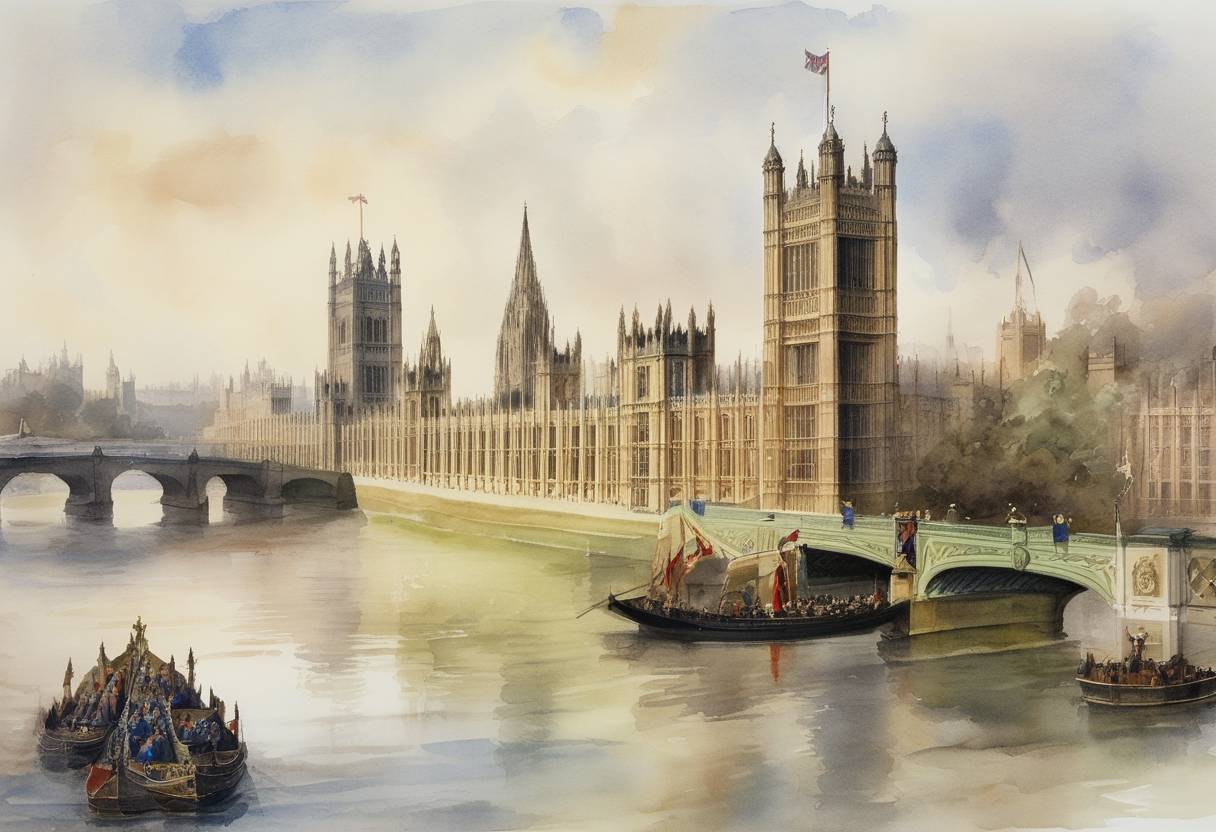
On October 28, 1344, a significant event in the historical evolution of the English parliamentary system occurred: the first formal assembly of Parliament in Westminster during the reign of King Edward III. This meeting marked a pivotal point in the process of formalizing the mechanisms through which the English monarch consulted with his subjects.
King Edward III ascended to the throne of England in 1327, following a period of instability during his father’s (Edward II) reign. By 1344, Edward had not only solidified his rule but also sought ways to strengthen the relationship between the crown and its subjects, particularly the nobility and commoners. The 14th century was a time of war, especially with the ongoing Hundred Years’ War against France, and the need for parliamentary consent to levy taxes was crucial for military funding.
The convening of Parliament at Westminster on this date was crucial for several reasons:
Centralized Venue: Westminster had been a royal residence since the time of Edward the Confessor, and holding Parliament there reinforced its status as the political heart of England. This move helped to centralize governmental proceedings.
Formalization of Consultation: Although earlier monarchs, including Edward I, had sought counsel from assemblies that included nobles and commoners, Edward III’s meeting in 1344 exemplified the growing formalization of these sessions. It indicated a shift towards a more regularized and official structure of seeking advice and consent on governance matters.
Precedent for Future Parliaments: The assembly set precedents for future interactions between the monarchy and its subjects. This preliminary formalization paved the way for future developments in the English parliamentary system, influencing how power was distributed between the crown and Parliament.
The Westminster assembly did not result in immediate, radical changes but did contribute to the gradual evolution of parliamentary democracy. It reinforced the precedent of seeking parliamentary approval, particularly concerning taxes and legislation affecting the broader population.
Strengthened Role of Parliament: Over time, these early assemblies would lead to stronger parliamentary influence in state matters, reducing absolute monarchical control and laying the groundwork for the constitutional monarchy that defines modern Britain.
Foundation for Parliamentary Authority: By setting the stage for more frequent consultations and decision-making in collaboration with Parliament, Edward III inadvertently contributed to the tradition of parliamentary sovereignty that would be asserted firmly in later centuries.
The assembly at Westminster on October 28, 1344, thus stands as a formative moment in the history of the English government, embodying the transition from absolute monarchic rule towards a more balanced and consultative approach to governance.
Source: en.wikipedia.org