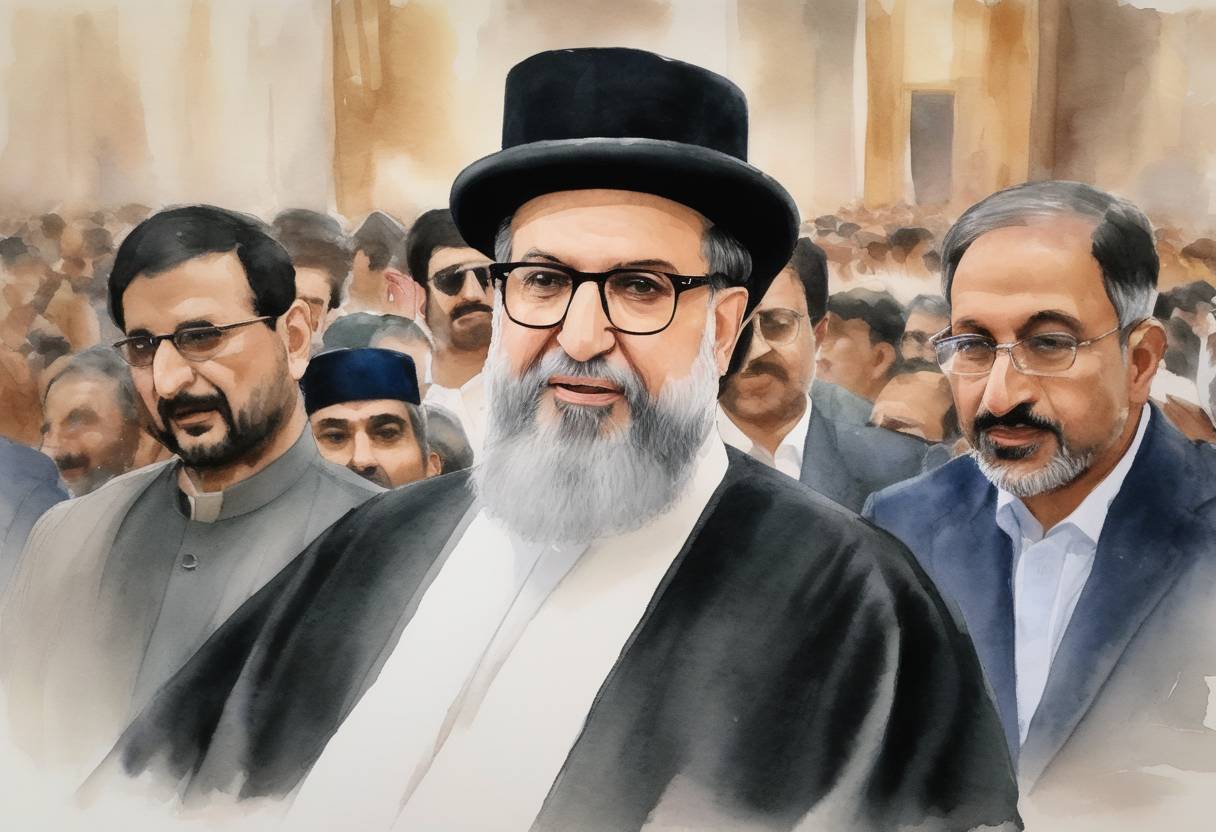
Election of Ebrahim Raisi as President of Iran
On June 23, 2021, Iran announced the election of Ebrahim Raisi as the country’s new president following the presidential elections held on June 18, 2021. Raisi, who served as the head of Iran’s judiciary prior to the election, emerged as a dominant figure representing hardline elements within the Iranian political spectrum. His victory marked a significant consolidation of power by conservative factions in Iran, continuing a shift towards more authoritarian governance under Supreme Leader Ayatollah Ali Khamenei.
Election Context and Process
Ebrahim Raisi received more than 60% of the votes, reflecting widespread support from conservative and hardline circles. His candidacy was largely supported by those in favor of preserving Iran’s religious and revolutionary values. The 2021 presidential election was characterized by a notably low voter turnout, with participation reported at about 48.8% of eligible voters, arguably the lowest in the history of the Islamic Republic. The elections occurred amidst a backdrop of public disillusionment, economic challenges, and political repression.
Significance of Raisi’s Election
Raisi’s election underscored the consolidation of power by hardline and conservative factions within Iran. His leadership signified an endorsement of the status quo by the country’s religious elite, casting doubts over the possibilities of broader reforms or improved relations with Western nations. This development was pivotal in the context of ongoing tensions between Iran and Western countries, particularly concerning Iran’s nuclear program and regional influence.
Consequences
Raisi’s presidency was anticipated to alter Iran’s domestic and international policies. Domestically, it suggested continuity in conservative governance and limited political reform. From an international perspective, Raisi’s hardline stance could influence future negotiations on nuclear agreements and foster a more confrontational posture in Iran’s foreign policy, with potential ramifications on regional stability and security dynamics.
Conclusion
The election of Ebrahim Raisi as president was a critical moment for Iran, not only encapsulating prevailing political currents but also shaping the country’s trajectory in an already tumultuous global landscape. His presidency illustrated the entrenched authority of hardline elements and set a decisive tone for Iran’s future both at home and abroad.