Severance of Diplomatic Relations Between Pakistan and India - December 6, 1971
1971 · Islamabad, Pakistan
Pakistan severed diplomatic relations with India following the outbreak of the Indo-Pakistani War of 1971.
January 10, 1966
India and Pakistan signed the Tashkent Agreement officially ending the Indo-Pakistani War of 1965.
Tashkent, Soviet Union | Governments of India and Pakistan
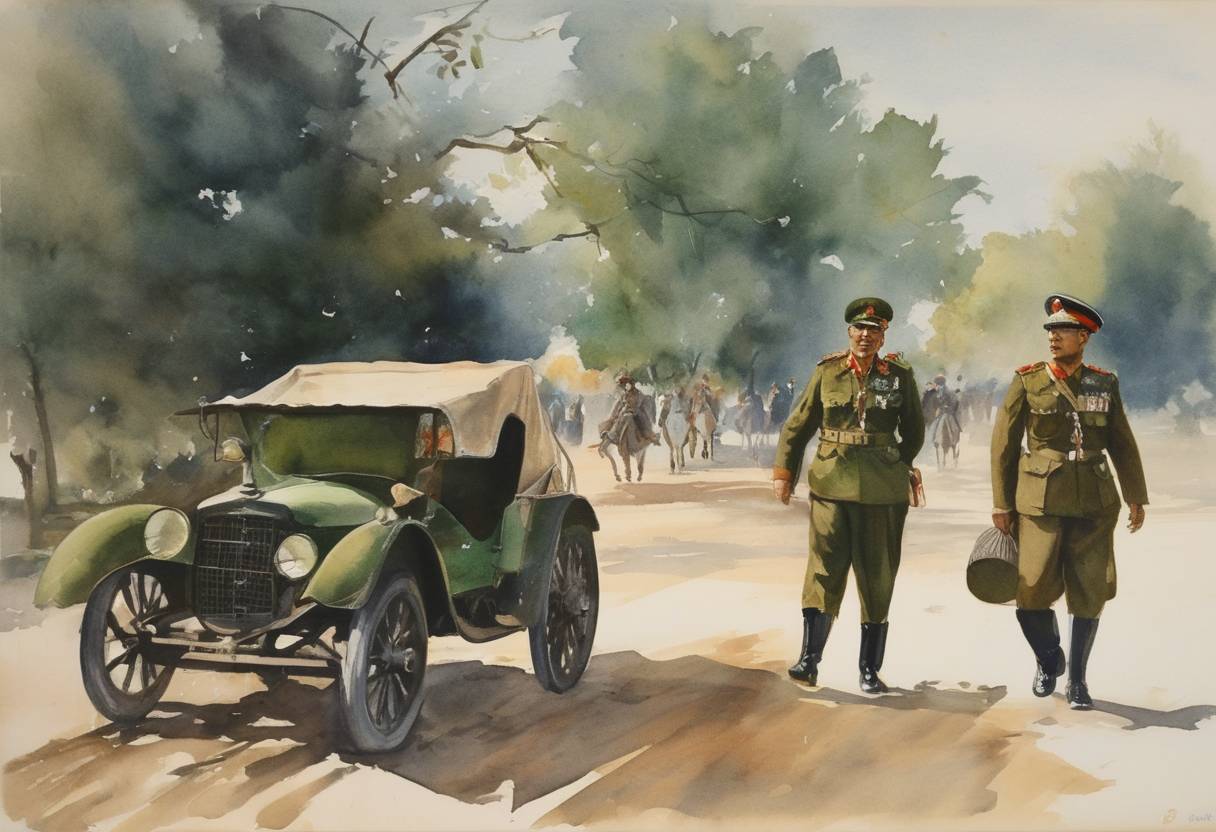
On January 10, 1966, India and Pakistan officially signed the Tashkent Agreement in Tashkent, the capital of Uzbekistan, then part of the Soviet Union. This accord marked the formal cease-fire and cessation of hostilities in the Indo-Pakistani War of 1965, a conflict that had erupted over the contested region of Kashmir.
The Indo-Pakistani War of 1965 had its roots in the longstanding territorial disputes between India and Pakistan, particularly over the Kashmir region. Tensions escalated in April 1965 with skirmishes along the international border, but the conflict intensified in August with Operation Gibraltar, initiated by Pakistan. The subsequent full-scale war involved heavy casualties and considerable military engagements, including significant tank battles, air raids, and land skirmishes.
The conflict drew international attention, leading to diplomatic interventions. Both the Soviet Union and the United States played roles in cooling the hostilities and urged a peaceful settlement. The Soviet Premier, Alexei Kosygin, offered to mediate, which resulted in both nations consenting to negotiations in Tashkent.
The Tashkent Agreement contained several key stipulations:
The signing of the Tashkent Agreement did not immediately alleviate tensions, as the issues of Kashmir remained unresolved. Nonetheless, it restored a fragile peace and was a step toward conflict resolution between India and Pakistan.
The agreement had profound implications for Indian and Pakistani politics. Following the agreement, Indian Prime Minister Lal Bahadur Shastri unexpectedly passed away in Tashkent, leading to political changes in India. The event marked a critical juncture in South Asian geopolitics, with efforts to maintain peace continuing to be challenged by historical complexities in the region.
The Tashkent Agreement remains a significant example of Cold War diplomacy, showcasing how superpower mediation could result in a tentative resolution between rival states during that era. Its transient success underscored the persistent challenges of reconciling complex nationalistic and territorial disputes.
Source: www.britannica.com