Strategic Partnership Agreement between France and Qatar
2018 · Doha, Qatar
France and Qatar signed a strategic partnership deal with a potential value of $4 billion for the sale of French armored vehicles and fighter jets to Qatar.
December 2, 2018
Qatar announces its decision to leave the Organization of the Petroleum Exporting Countries (OPEC) after nearly 60 years of membership, effective January 2019, to focus on its natural gas production.
Doha, Qatar | OPEC
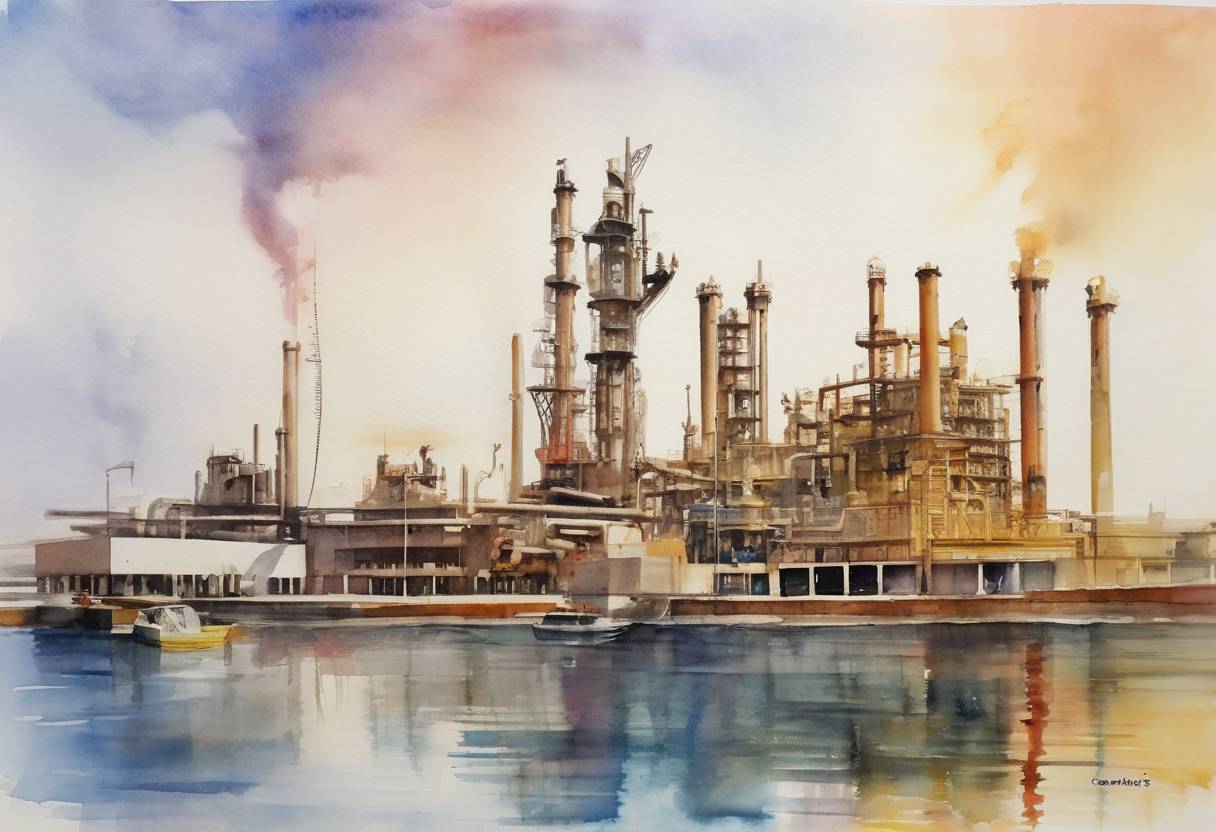
On December 2, 2018, Qatar announced its decision to withdraw from the Organization of the Petroleum Exporting Countries (OPEC), effective January 2019. This marked the end of nearly 60 years of membership, as Qatar had been a part of the organization since 1961. The decision was primarily driven by Qatar’s strategic focus on enhancing its natural gas production capabilities.
OPEC Overview: OPEC, founded in 1960, is a coalition of oil-producing countries that coordinates and unifies petroleum policies among member countries to secure fair and stable prices for petroleum producers.
Qatar’s Role in OPEC: As one of the smaller oil producers in OPEC, Qatar’s oil output was relatively modest compared to other members like Saudi Arabia and Iraq. However, Qatar is a significant player in the global natural gas market.
Focus on Natural Gas: Qatar is one of the world’s leading producers of liquefied natural gas (LNG). The country decided to concentrate on its natural gas sector, which is a more substantial part of its economy compared to oil.
Economic Strategy: By exiting OPEC, Qatar aimed to enhance its production and export of natural gas, aligning with its long-term economic strategy to diversify its energy portfolio and reduce dependence on oil.
Impact on OPEC: Qatar’s departure had a limited impact on OPEC’s overall oil production, given its relatively small contribution. However, it highlighted the shifting dynamics within the global energy market, where natural gas is gaining prominence.
Qatar’s Energy Policy: Post-OPEC, Qatar continued to invest heavily in its LNG infrastructure, aiming to increase its production capacity significantly. This move was part of Qatar’s broader vision to maintain its position as a leading LNG exporter.
Global Energy Market: Qatar’s decision underscored the growing importance of natural gas in the global energy mix, reflecting broader trends towards cleaner energy sources and the diversification of energy portfolios by resource-rich nations.
In summary, Qatar’s exit from OPEC was a strategic decision to prioritize its natural gas industry, reflecting broader trends in the global energy landscape. This move allowed Qatar to focus on its strengths and adapt to the evolving demands of the energy market.
Source: www.reuters.com