The Tragic End of the Soyuz 11 Mission
1971 · Kazakhstan, Soviet Union
The crew of the Soviet Soyuz 11 mission was tragically killed during re-entry after a successful mission to the Salyut 1 space station, marking the first human deaths in space.
April 24, 1967
Cosmonaut Vladimir Komarov became the first human to die during a space mission when the Soyuz 1 capsule crashed upon re-entry.
Orenburg Oblast, Soviet Union | Soviet Space Program
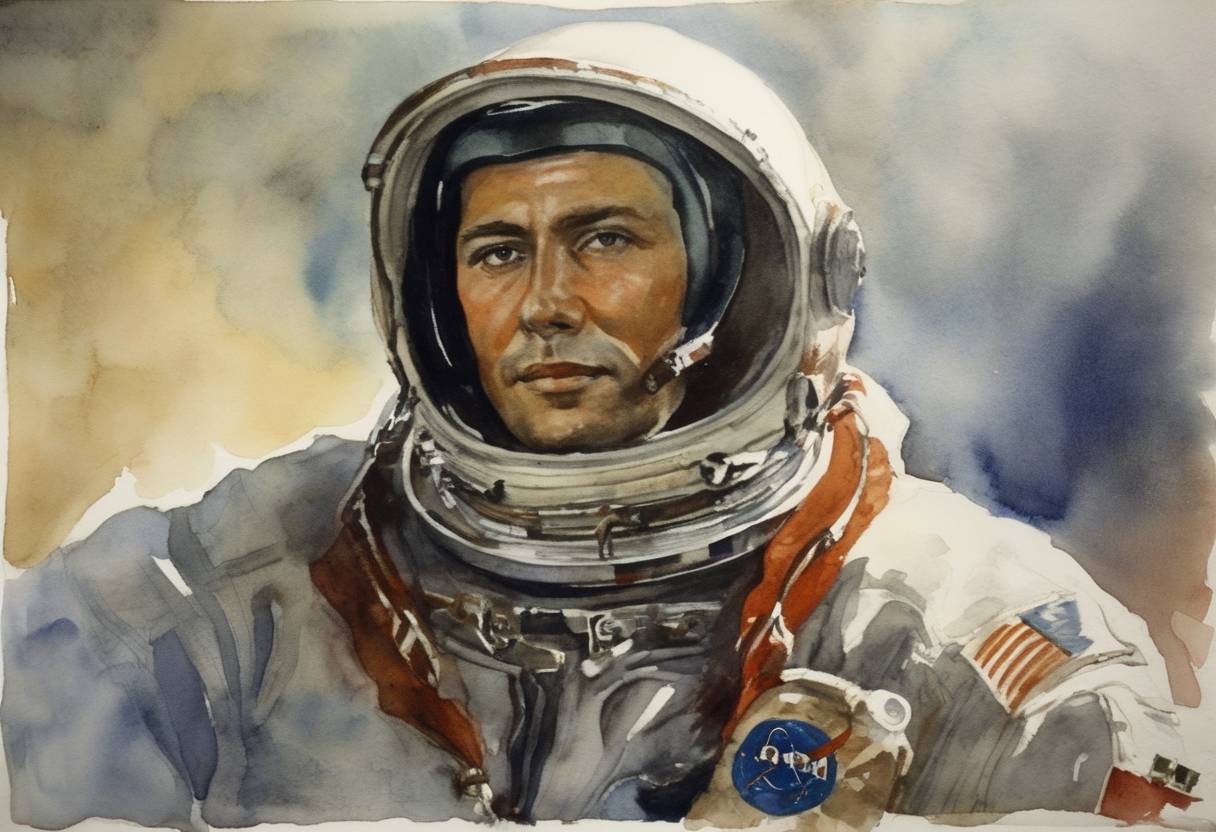
On April 24, 1967, Soviet cosmonaut Vladimir Komarov became the first human to die during a space mission when the Soyuz 1 capsule crashed upon re-entry into Earth’s atmosphere. This tragic event occurred during the early years of human space exploration and highlighted the significant risks associated with space travel.
The Soyuz 1 mission was part of the Soviet Union’s ambitious goal to surpass the United States in the space race. The mission was intended to test the new Soyuz spacecraft design and pave the way for further advancements in space travel. Komarov, an experienced cosmonaut who had previously flown on the Voshkod 1 mission, was selected as the sole crew member.
Soyuz 1 was launched on April 23, 1967, from the Baikonur Cosmodrome in Kazakhstan. The mission encountered problems almost immediately. Among the numerous malfunctions, one of the solar panels failed to deploy, resulting in a critically reduced power supply. Additional technical issues plagued the mission, including problems with stabilization and orientation systems.
On April 24, as Komarov attempted to return to Earth, the situation worsened. The craft’s descent module experienced a parachute failure, which was critical to slowing its descent. The main parachute did not deploy correctly, and the reserve chute became entangled. This malfunction led to the capsule crashing at high speed, killing Komarov instantly.
The Soviet Union conducted an investigation to understand the malfunctions that led to Komarov’s death. The tragedy had a profound impact on the Soviet space program and resulted in the postponement and redesign of future Soyuz missions to improve safety measures.
Komarov’s death underscored the dangers of space travel and the need for rigorous safety protocols. It was a sobering reminder of the high stakes involved in the space race era. The lessons learned from this mission contributed to more robust designs and operational procedures, influencing the development of future Soyuz missions, which became a reliable vehicle for human spaceflight.
The accident also had a broader cultural impact, highlighting the human cost of extraordinary scientific endeavors during the Cold War period. Vladimir Komarov is remembered as a courageous pioneer who, despite the risks, embarked on a mission that contributed to the advancement of human space exploration.
Source: history.nasa.gov