The Opening of The Anne Frank House Museum
1960 · Amsterdam, Netherlands
The Anne Frank House museum opened in Amsterdam, Netherlands.
April 30, 1980
Queen Juliana of the Netherlands abdicated in favor of her daughter, Beatrix, who became the new Queen of the Netherlands.
Amsterdam, Netherlands | Dutch Royal Family
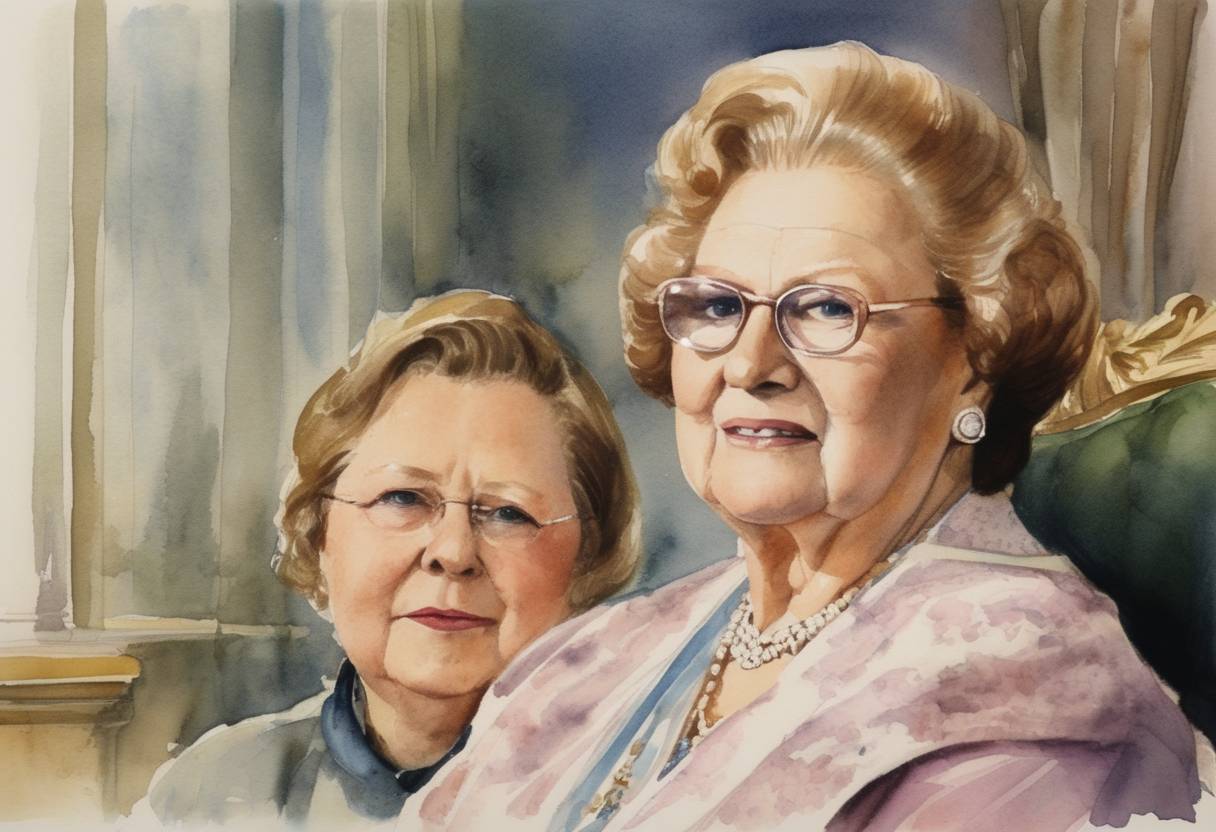
On April 30, 1980, a significant transition of royal authority took place in the Netherlands. Queen Juliana, who had reigned for over three decades, formally abdicated the throne, allowing her daughter Beatrix to become the new Queen of the Netherlands. This event symbolized both a continuation and renewal of the Dutch monarchy.
Queen Juliana ascended to the throne on September 6, 1948, following the abdication of her mother, Queen Wilhelmina. Juliana’s reign was characterized by modernization and the post-World War II recovery of the Netherlands. She played a crucial role in the rebuilding of the country and was noted for her down-to-earth demeanor and deep connection with the people.
The abdication ceremony was held at the Royal Palace in Amsterdam. Queen Juliana signed the instrument of abdication in the presence of the Dutch cabinet and members of the states-general. This formal act marked the transfer of royal powers and was consistent with the Dutch tradition of voluntary abdication in favor of the next generation.
Following her mother’s abdication, Beatrix was inaugurated as the Queen at a ceremony held in the Nieuwe Kerk, Amsterdam, on the same day. Beatrix, previously Princess of Orange, had been well-prepared for her role, having been groomed for succession through her public service and ceremonial duties alongside Queen Juliana.
Queen Beatrix’s accession marked a new era in the House of Orange-Nassau, known for its adaptability and pragmatic approach to governance. Under Beatrix’s rule, the Netherlands continued to develop its role on the international stage, emphasizing peacekeeping and environmental issues. Her reign maintained the monarchy’s relevance in a rapidly changing world, upholding Dutch traditions while modernizing public perception of the monarchy.
The transition was met with celebration across the Netherlands, although the day was initially marked by demonstrations from anti-monarchist groups and housing rights activists protesting in Amsterdam. Despite these disturbances, the broader perception was supportive of Beatrix, whose thoughtful approach to royalty and governance was welcomed by many.
The peaceful abdication and ascension reinvigorated discussions on the role of constitutional monarchies in modern Europe, highlighting the adaptable nature of the Dutch royal family in maintaining both tradition and reform.
Source: en.wikipedia.org