2022 · Manila, Philippines
The Philippines' Commission on Elections disqualifies a leading presidential candidate over campaign finance violations ahead of the 2022 general election.
May 10, 2022
Ferdinand 'Bongbong' Marcos Jr. won the Philippines presidential election by a landslide, marking the return of the Marcos family to power decades after the fall of his father, the late dictator Ferdinand Marcos.
Manila, Philippines | Commission on Elections (COMELEC)
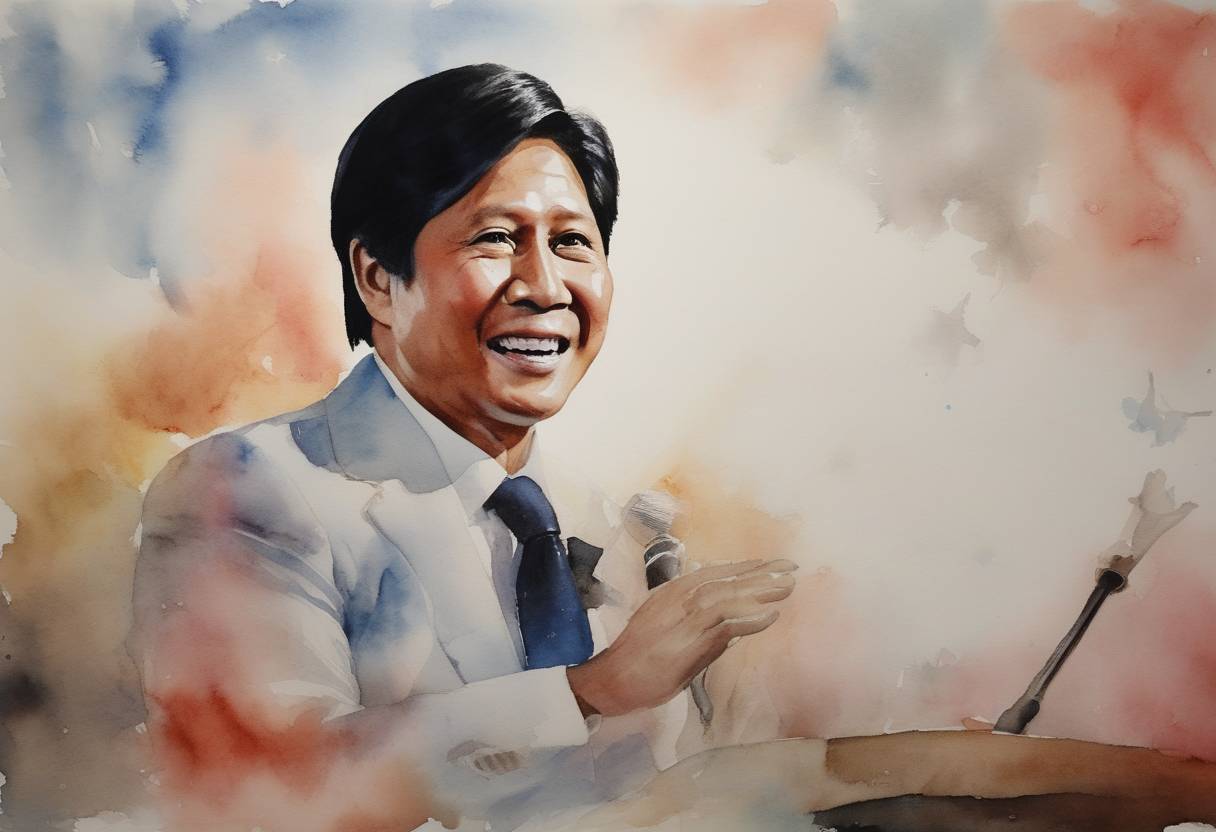
On May 9, 2022, Ferdinand “Bongbong” Marcos Jr. secured a decisive victory in the Philippine presidential election, marking a significant political comeback for the Marcos family. This date is crucial in the context of Philippine politics as it signals a return to power decades after the end of his father Ferdinand Marcos’s authoritarian regime.
Ferdinand Marcos Sr. was the Philippines’ President from 1965 to 1986. His rule was characterized by martial law, human rights abuses, and widespread corruption, leading to his ouster through the People Power Revolution in 1986. This revolution restored democratic governance in the Philippines and sent the Marcos family into exile in Hawaii.
Bongbong Marcos Jr., the son of the late dictator, ran for president in the 2022 elections under the Partido Federal ng Pilipinas. His campaign focused on unity and invoked the legacy and nostalgia of his father’s regime, leveraging social media to reach a large audience, particularly the youth.
Marcos Jr. won the presidency by a substantial margin, receiving more than 31 million votes, which accounted for about 59% of the total votes cast. This victory was described as a landslide and was the largest majority since the end of his father’s regime in the People Power Revolution. His main opponent, Leni Robredo, was significantly behind with over 14 million votes.
The victory of Bongbong Marcos Jr. has significant implications for the Philippines’ political landscape. It represents a rehabilitation of the Marcos family’s reputation and has sparked discussions about the role of political dynasties in the country. This election outcome also raised concerns about historical revisionism, given the contentious legacy of the elder Marcos’s dictatorship.
Bongbong Marcos’s presidency is anticipated to influence the political trajectory of the Philippines, potentially impacting both domestic policies and international relations. His administration’s policies and decisions will likely be scrutinized given the historical context of his family’s past governance.
The return of the Marcos family to power serves as a critical moment in Filipino history, highlighting the complexities of memory, legacy, and the democratic process in the Philippines. It underscores the enduring power of political families and the ongoing challenge of addressing historical grievances and ensuring accountability.
Bongbong Marcos’s victory illustrates the dynamic and sometimes unpredictable nature of democratic elections, as well as the persistent influence of historical narratives in shaping modern political arenas.
Source: www.bbc.com