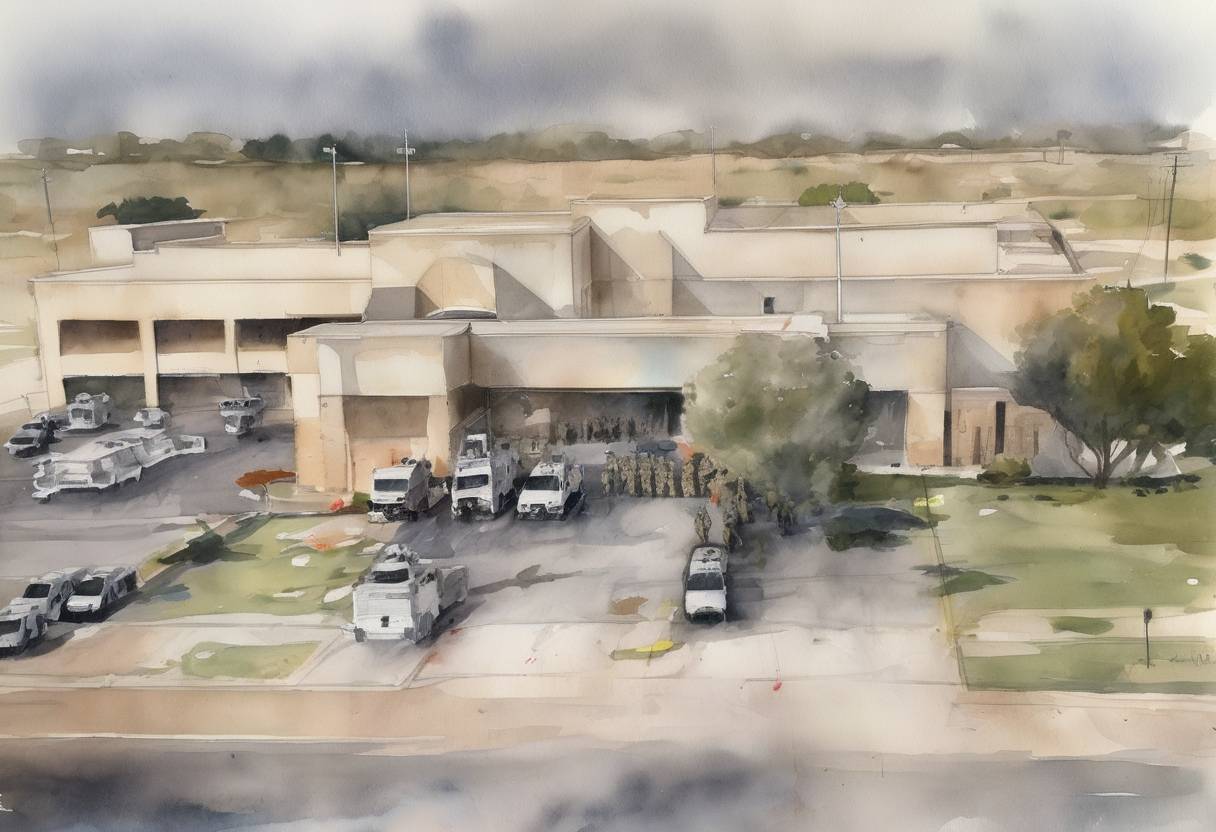
Fort Hood Shooting - April 2, 2014
On April 2, 2014, a tragic shooting occurred at the Fort Hood military base in Texas, resulting in the deaths of four individuals, including the gunman, and injuries to 16 others. This incident marked the second mass shooting at Fort Hood in less than five years, raising significant concerns about security protocols and mental health issues within the military.
Background
Fort Hood, one of the largest military installations in the world, had previously experienced a mass shooting on November 5, 2009, when Major Nidal Hasan killed 13 people and injured more than 30 others. The 2014 incident reignited discussions about the safety and well-being of military personnel on domestic bases.
The Incident
- Date: April 2, 2014
- Location: Fort Hood, Texas
- Perpetrator: Specialist Ivan Lopez, a 34-year-old Army truck driver
- Casualties: 4 dead (including the gunman), 16 injured
Sequence of Events
- Initial Shooting: The shooting began around 4:00 PM local time. Lopez opened fire in several locations on the base, including a medical building and a transportation brigade area.
- Response: Military police responded swiftly to the scene. Lopez was confronted by a female military police officer in a parking lot.
- Gunman’s Death: As the officer approached, Lopez turned the gun on himself, resulting in his death.
Aftermath and Investigation
- Mental Health Concerns: Lopez had been undergoing treatment for depression and anxiety and was being evaluated for post-traumatic stress disorder (PTSD). The incident highlighted the need for improved mental health care and monitoring within the military.
- Security Measures: The shooting prompted a review of security measures at military installations across the United States. Discussions focused on the balance between maintaining an open base environment and ensuring the safety of personnel.
- Policy Changes: In the wake of the shooting, the Department of Defense examined policies related to the identification and treatment of mental health issues among service members.
Broader Implications
The Fort Hood shooting of 2014 underscored the ongoing challenges faced by the military in addressing mental health issues and ensuring the safety of its personnel. It also led to increased scrutiny of how the military handles the psychological well-being of its members, particularly those returning from deployment.
The incident served as a catalyst for policy discussions and reforms aimed at preventing similar tragedies in the future, emphasizing the importance of mental health support and effective security protocols within military communities.