Edict of Expulsion of Jews from England - July 12, 1290
1290 · London, England
Edward I of England issues the Edict of Expulsion, expelling all Jews from England.
July 18, 1290
King Edward I of England issued the Edict of Expulsion, expelling all Jews from England.
London, England | English monarchy
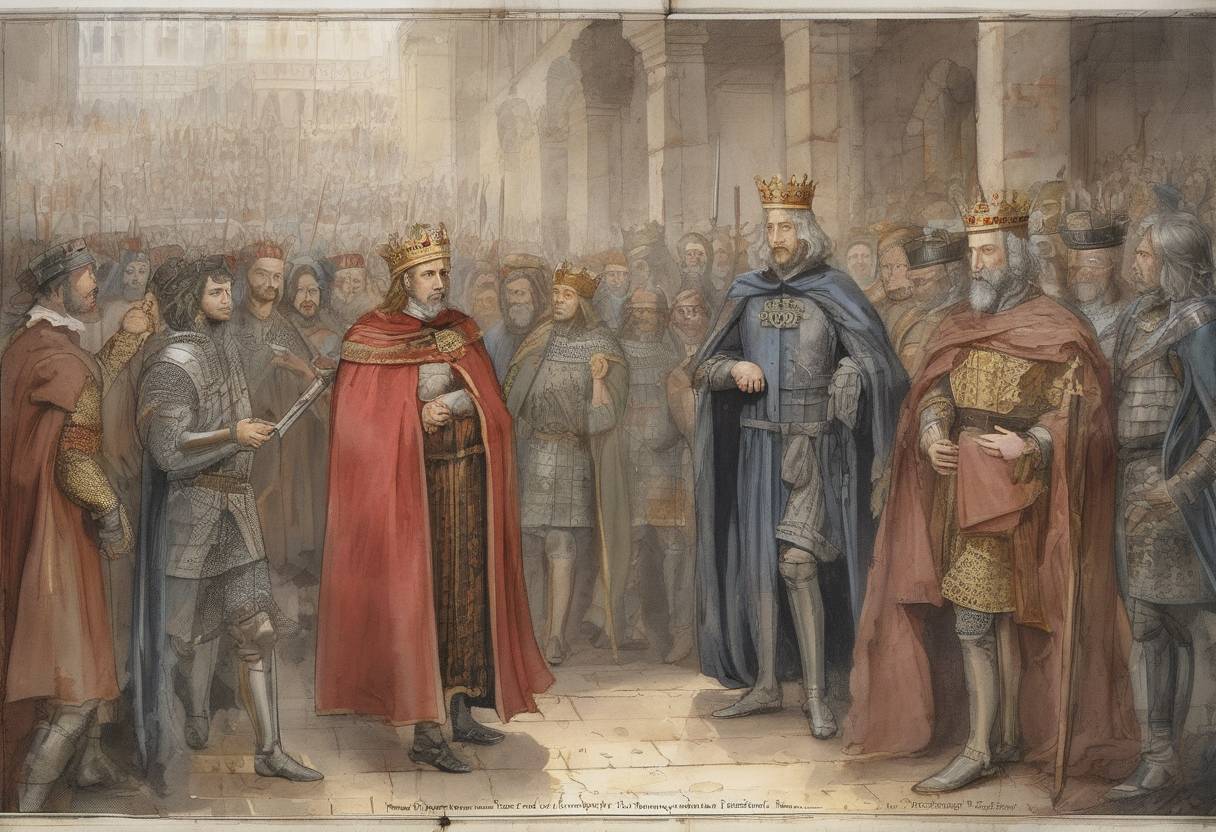
On July 18, 1290, King Edward I of England issued the Edict of Expulsion, a significant and tragic event in medieval English history. This decree ordered the expulsion of all Jews from England, marking the culmination of a series of oppressive measures against the Jewish community.
The Jewish community in England had been present since the Norman Conquest in 1066. Initially, Jews were invited to settle in England by William the Conqueror, who saw them as valuable for their skills in finance and trade. However, over the centuries, Jews faced increasing persecution and hostility.
Economic Factors: Jews in medieval England were primarily involved in moneylending, as Christians were prohibited from charging interest on loans (usury). This role made them targets of resentment, especially among indebted nobles and commoners.
Religious and Social Tensions: Anti-Semitic sentiments were fueled by religious prejudices and myths, such as the blood libel, which falsely accused Jews of using Christian children’s blood in religious rituals.
Royal Financial Needs: The Crown often borrowed heavily from Jewish moneylenders. By the late 13th century, King Edward I sought to consolidate his finances and found the expulsion of Jews a politically expedient way to cancel debts owed to them.
Legislative Precedents: Prior to the expulsion, Jews faced numerous restrictions, including the Statute of Jewry in 1275, which prohibited usury and forced Jews to wear identifying badges.
The Edict of Expulsion was formally issued on July 18, 1290. It ordered all Jews to leave England by November 1 of that year. The expulsion was enforced rigorously, and Jews were forced to sell their properties and leave behind much of their wealth.
The expulsion of Jews from England in 1290 was part of a broader pattern of expulsions across medieval Europe, reflecting widespread anti-Semitic attitudes and economic motivations. The Jewish community would not be officially readmitted to England until the 1650s, during the rule of Oliver Cromwell.
This event is a stark reminder of the historical persecution faced by Jewish communities and highlights the intersection of economic, religious, and political factors in medieval society. The Edict of Expulsion remains a significant episode in the history of England and the Jewish diaspora.
Source: en.wikipedia.org