Suicide Bombing at a Wedding in Gaziantep, Turkey - August 19, 2016
2016 · Gaziantep, Turkey
A suicide bombing at a wedding in Gaziantep, Turkey, killed at least 54 people, many of whom were children, in an attack attributed to ISIS.
August 20, 2016
A suicide bomber attacked a wedding party in Gaziantep, Turkey, killing at least 51 people and injuring dozens more. The attack was attributed to the Islamic State of Iraq and the Levant (ISIL).
Gaziantep, Turkey | Islamic State of Iraq and the Levant
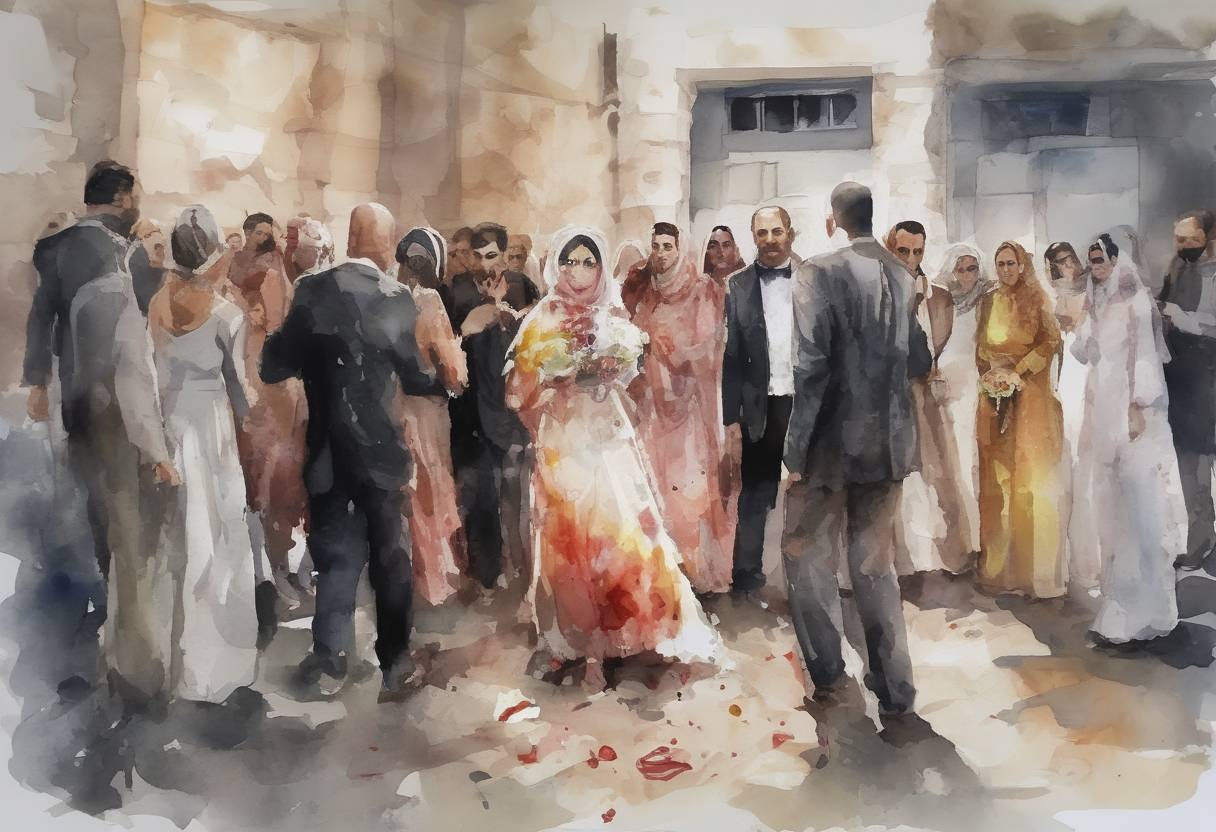
On August 20, 2016, a devastating suicide bombing targeted a wedding party in the city of Gaziantep, located in southeastern Turkey. This tragic event resulted in the deaths of at least 51 people and left dozens more injured. The attack was attributed to the Islamic State of Iraq and the Levant (ISIL), marking one of the deadliest attacks in Turkey in recent years.
Gaziantep, a city near the Syrian border, has been significantly affected by the spillover of the Syrian Civil War. It has served as a hub for refugees fleeing the conflict and has been a focal point for various militant activities. The region has experienced tensions due to its proximity to conflict zones and the presence of various ethnic and religious communities.
This attack underscored the ongoing threat posed by ISIL within Turkey and highlighted the broader regional instability resulting from the Syrian conflict. It also illustrated the challenges faced by Turkey in balancing its internal security needs with its geopolitical role in the Middle East.
The Gaziantep wedding bombing remains a poignant reminder of the human cost of terrorism and the complex interplay of regional politics, ethnic tensions, and international security concerns.
Source: en.wikipedia.org