Flavius Anastasius I Becomes Byzantine Emperor
491 · Constantinople, Byzantine Empire
Flavius Anastasius I becomes Byzantine Emperor after the death of Zeno.
January 12, 0475
Basiliscus becomes Byzantine Emperor after a coup d'état against Emperor Zeno.
Constantinople, Byzantine Empire | Byzantine Empire
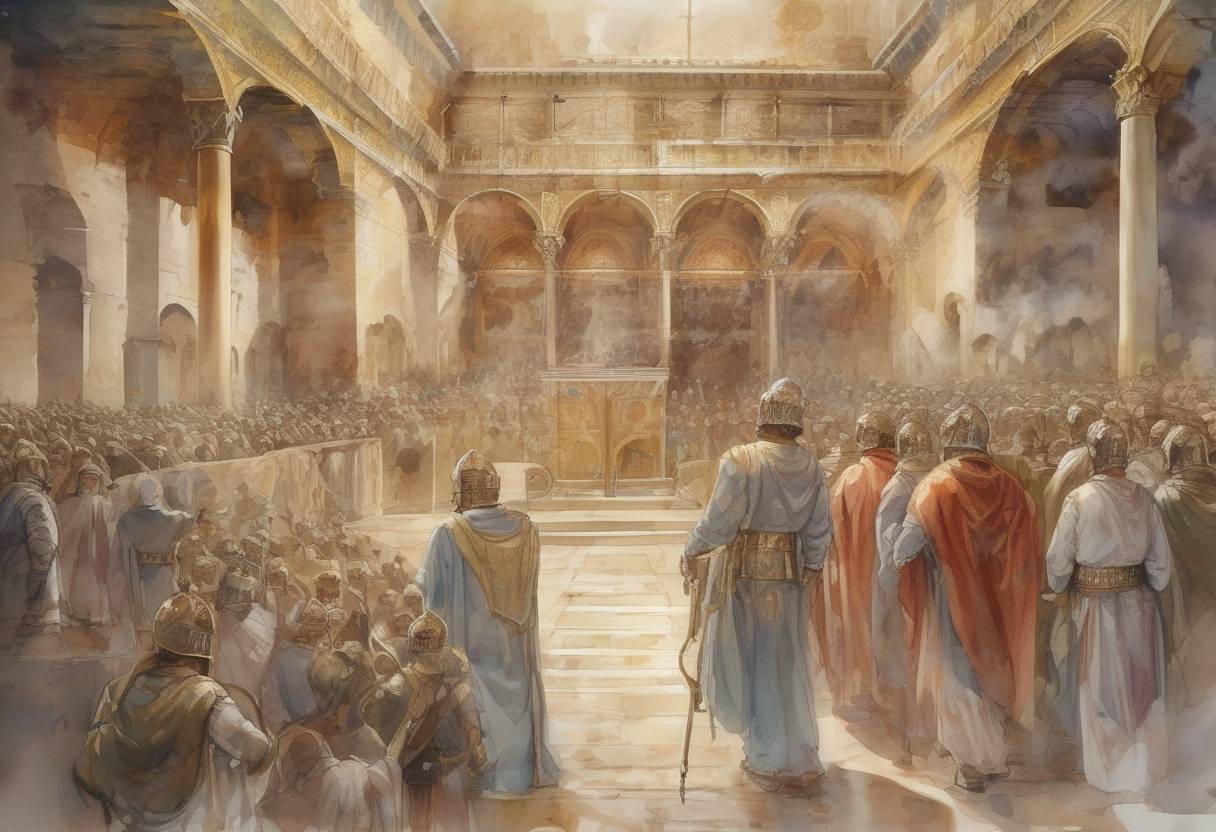
On January 12, 475, Basiliscus seized the Byzantine throne through a coup d’état, overthrowing Emperor Zeno. This event marked a significant moment in the tumultuous period of the Eastern Roman Empire’s history, characterized by political instability and power struggles.
Zeno’s Reign: Zeno, originally an Isaurian general, became emperor in 474 following the death of his young son, Leo II. His rule was unpopular among the Byzantine aristocracy and the general populace, largely due to his Isaurian origins, which were viewed with disdain by the Constantinopolitan elite.
Political Climate: The Eastern Roman Empire was rife with internal dissent, factionalism, and external threats. The aristocracy and military factions often vied for power, leading to frequent coups and changes in leadership.
Basiliscus: Basiliscus was a prominent military leader and the brother of Empress Verina, the widow of Emperor Leo I. His familial connections and military prowess positioned him as a formidable contender for the throne.
Execution of the Coup: With the support of his sister Verina and other disaffected members of the court, Basiliscus capitalized on Zeno’s unpopularity. In January 475, Zeno was forced to flee Constantinople, seeking refuge in his native Isauria.
Ascension to Power: Following Zeno’s departure, Basiliscus was proclaimed emperor. His rise to power was initially supported by the Senate and the people of Constantinople, who were eager for a change in leadership.
Challenges: Basiliscus’ reign was immediately challenged by several factors, including his inability to secure broad support and his controversial religious policies. He alienated the powerful Church by supporting the Monophysite doctrine, which was opposed by the Chalcedonian majority.
Financial Mismanagement: His administration was marked by financial mismanagement and corruption, further eroding his support among the populace and the military.
Zeno’s Return: Zeno capitalized on Basiliscus’ unpopularity and the internal dissent within the empire. In August 476, with the support of loyal Isaurian forces, Zeno returned to Constantinople and reclaimed the throne.
Basiliscus’ Fate: Basiliscus was captured and exiled to Cappadocia, where he and his family were eventually executed.
Political Instability: The brief reign of Basiliscus highlighted the ongoing political instability within the Byzantine Empire during the 5th century. It underscored the challenges faced by emperors in maintaining power amidst internal and external pressures.
Religious Tensions: The religious policies of Basiliscus further exacerbated the existing theological divisions within the empire, setting the stage for future conflicts over religious orthodoxy.
Basiliscus’ coup and subsequent downfall serve as a reminder of the volatile nature of imperial politics in the Byzantine Empire, where power was often transient and contingent upon the support of key political and military factions.
Source: en.wikipedia.org