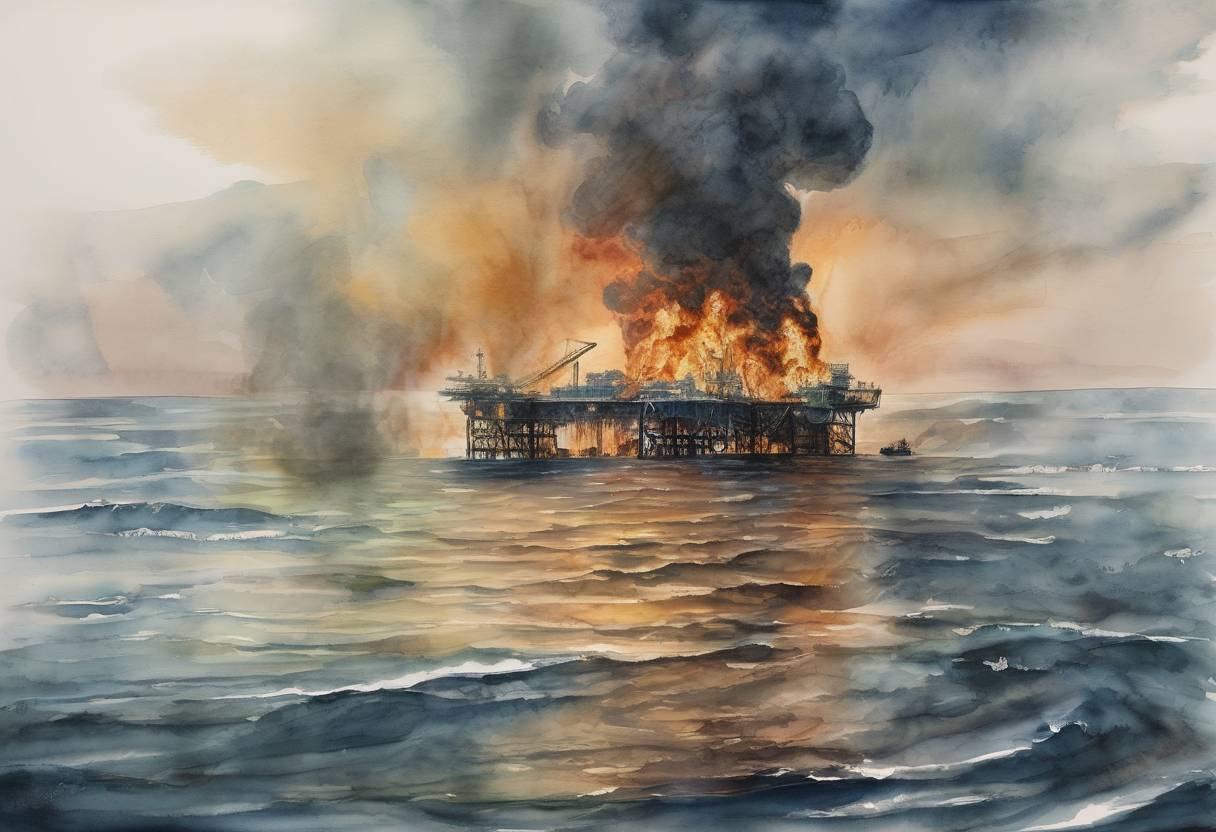
The Deepwater Horizon Oil Spill: April 22, 2010
On April 22, 2010, the Deepwater Horizon oil spill, also known as the BP oil spill, began in the Gulf of Mexico, marking the onset of one of the largest environmental disasters in U.S. history. This catastrophic event had far-reaching environmental, economic, and political consequences.
Background
The Deepwater Horizon was a semi-submersible offshore drilling rig owned by Transocean and operated by BP. It was located approximately 41 miles off the coast of Louisiana. The rig was drilling an exploratory well at the Macondo Prospect, a site known for its potential oil reserves.
Key Events Leading Up to the Spill
- April 20, 2010: A blowout occurred on the rig, leading to a catastrophic failure of the blowout preventer, a critical safety device designed to seal the well in the event of a pressure surge. This failure resulted in a massive explosion and fire on the rig.
- April 22, 2010: After burning for approximately 36 hours, the Deepwater Horizon sank, causing oil to begin leaking from the wellhead on the ocean floor.
The Spill and Its Impact
- Volume of Oil Released: It is estimated that approximately 4.9 million barrels of oil were discharged into the Gulf of Mexico over a period of 87 days, until the well was successfully capped on July 15, 2010.
- Environmental Consequences: The spill caused extensive damage to marine and wildlife habitats. It affected over 1,300 miles of coastline, including the shores of Louisiana, Mississippi, Alabama, and Florida. The spill severely impacted local ecosystems, killing thousands of marine animals and birds.
- Economic Impact: The disaster had a profound effect on the Gulf Coast’s economy, particularly the fishing and tourism industries. Many businesses suffered significant financial losses, and thousands of jobs were affected.
Aftermath and Response
- Cleanup Efforts: The response involved a massive cleanup operation, including the use of dispersants, skimmers, and controlled burns to manage the oil. Thousands of personnel were deployed to mitigate the spill’s effects.
- Legal and Financial Repercussions: BP faced numerous lawsuits and was required to pay billions of dollars in fines and settlements. In 2015, BP agreed to a $20.8 billion settlement with the U.S. government, the largest environmental settlement in U.S. history.
- Regulatory Changes: The disaster prompted significant changes in offshore drilling regulations and safety standards. The U.S. government imposed a temporary moratorium on deepwater drilling and established new oversight measures to prevent future incidents.
Broader Historical Significance
The Deepwater Horizon oil spill highlighted the risks associated with offshore drilling and underscored the need for stringent safety measures and environmental protections. It sparked a national debate on energy policy and environmental stewardship, influencing future discussions on sustainable energy practices and the balance between economic development and environmental conservation.
The spill remains a pivotal moment in environmental history, serving as a reminder of the potential consequences of industrial activities on natural ecosystems.