The First Issue of National Geographic Magazine: September 22, 1888
1888 · Washington, D.C., United States
The first issue of National Geographic Magazine is published.
January 27, 1888
The National Geographic Society is founded in Washington, D.C., aiming to increase and diffuse geographic knowledge.
Washington, D.C., United States | National Geographic Society
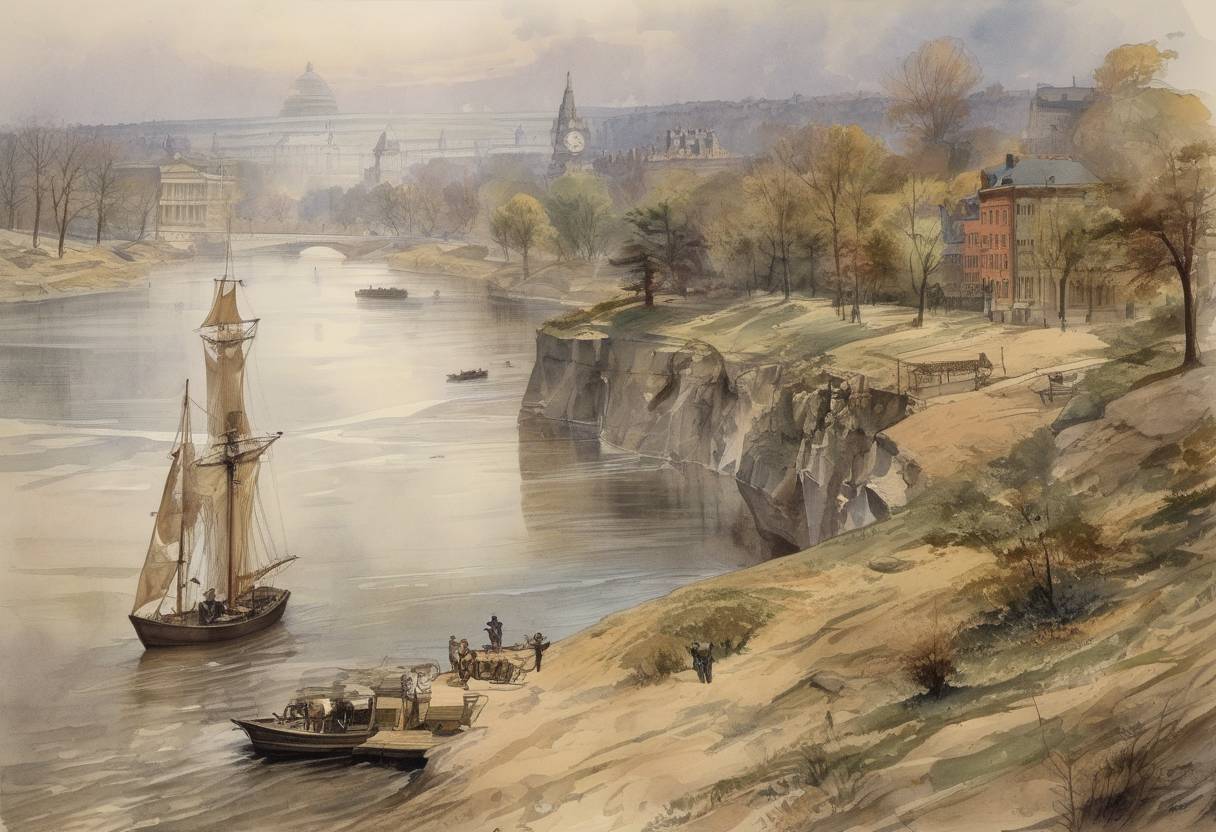
On January 27, 1888, the National Geographic Society was founded in Washington, D.C., marking a significant moment in the promotion and dissemination of geographic knowledge. This event laid the groundwork for what would become one of the world’s largest and most influential scientific and educational organizations.
In the late 19th century, there was a growing interest in the sciences and exploration, driven by advancements in technology and a curiosity about the world. The period was characterized by a surge in exploration and a desire to understand the Earth’s geography, cultures, and natural phenomena. This context set the stage for the creation of an organization dedicated to the study and sharing of geographic knowledge.
The founding meeting of the National Geographic Society took place at the Cosmos Club, a private social club in Washington, D.C., known for its association with intellectuals and scientists. The meeting was attended by 33 prominent individuals, including explorers, geographers, cartographers, teachers, and financiers. Among the notable figures were Gardiner Greene Hubbard, the Society’s first president, and Alexander Graham Bell, who would later become its second president.
The primary aim of the National Geographic Society was to “increase and diffuse geographic knowledge.” This mission was to be achieved through the sponsorship of scientific research and exploration, the publication of findings, and the promotion of education in geography. The Society sought to make geographic knowledge accessible to the public, fostering a greater understanding of the world and its diverse cultures.
One of the Society’s most enduring contributions is the publication of the National Geographic Magazine, first issued in October 1888. The magazine quickly became renowned for its in-depth articles, stunning photography, and maps, bringing the wonders of the world into the homes of its readers. It played a crucial role in popularizing geography and inspiring generations to explore and appreciate the planet.
Over the years, the National Geographic Society has sponsored numerous expeditions and research projects, contributing significantly to the fields of geography, archaeology, anthropology, and environmental science. Its educational programs and media have reached millions worldwide, promoting a deeper understanding of global issues and the importance of conservation.
The Society’s commitment to exploration and education continues to influence and inspire, making it a pivotal institution in the dissemination of geographic knowledge and the promotion of global awareness.
In summary, the founding of the National Geographic Society on January 27, 1888, was a landmark event that has had a lasting impact on the way we understand and engage with the world. Its dedication to exploration, education, and the dissemination of knowledge remains as relevant today as it was over a century ago.
Source: en.wikipedia.org