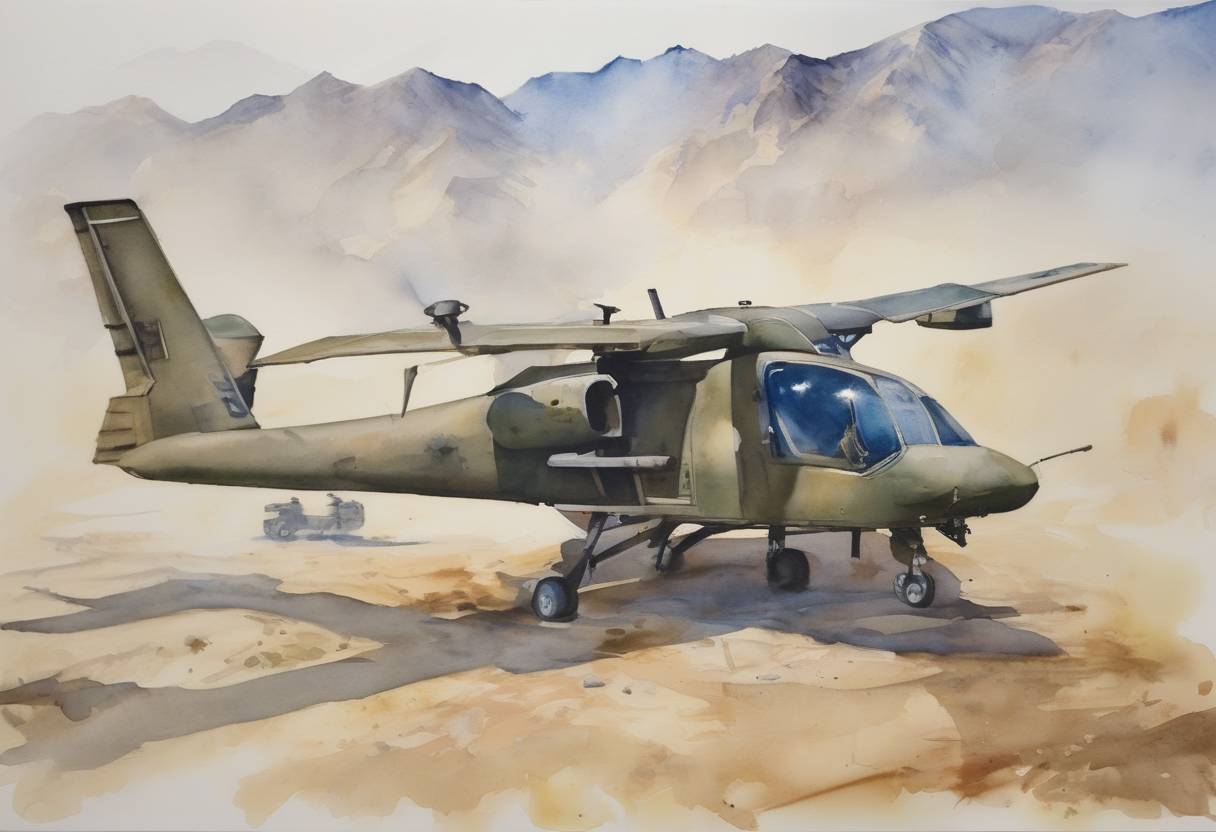
U.S. Drone Strike in Kabul on August 29, 2021
On August 29, 2021, the United States military conducted a drone strike in Kabul, Afghanistan, as part of its continued efforts to secure the area amid the chaotic withdrawal of American troops. This operation targeted a suspected ISIS-K operative believed to be planning a suicide attack on Hamid Karzai International Airport, which had recently witnessed a devastating terrorist attack on August 26, killing over 170 people, including 13 U.S. service members.
Context and Urgency
The drone strike occurred during the final days of the U.S. evacuation mission from Afghanistan, following the Taliban’s swift takeover of the country. Amid intensified threats from ISIS-K aimed at the airport, where evacuation operations were focused, the U.S. was actively working to prevent further attacks. Intelligence indicated an imminent threat posed by a vehicle alleged to be loaded with explosives, prompting decisive military action.
The Strike and Its Tragic Outcome
The Hellfire missile employed in the drone strike was intended to neutralize that specific threat. However, the outcome was grievously different from the intended objective. The strike instead struck a civilian vehicle in a residential neighborhood of Kabul, resulting in the deaths of ten civilians, including seven children. The incident took the lives of Ezmarai Ahmadi, who was an aid worker living in Kabul, and his family, leading to significant local and international outcry.
Investigation and Aftermath
In the immediate aftermath, the U.S. Department of Defense maintained that the airstrike successfully targeted an ISIS-K member, but subsequent investigations revealed that the fatal mistake had occurred. Following mounting evidence and media scrutiny, U.S. officials, including Defense Secretary Lloyd Austin, acknowledged this tragic error.
A Pentagon review of the strike identified several lapses in intelligence and procedural errors, ultimately leading to a formal apology by the U.S. government to the victims’ families. In response to these findings, the U.S. military pledged to reassess its policies regarding airstrikes to minimize the risk of civilian casualties.
The incident underscored the complex and hazardous nature of military operations during the chaotic U.S. withdrawal and raised serious questions about the reliability of intelligence employed in such urgent strikes. The loss of civilian lives in this drone strike added to the critical debate on the ethical and strategic implications of drone warfare.