The Holocaust: Himmler's Order on November 15, 1943
1943 · Berlin, Germany
The Holocaust: Heinrich Himmler orders that Gypsies and 'part-Gypsies' be put 'on the same level as Jews and placed in concentration camps.'
December 13, 1938
The Nazi government in Germany initiates the Decree for 'Combating the Gypsy Plague' as part of its racial purity policies, exacerbating persecution of Romani people.
Berlin, Germany | Nazi Government
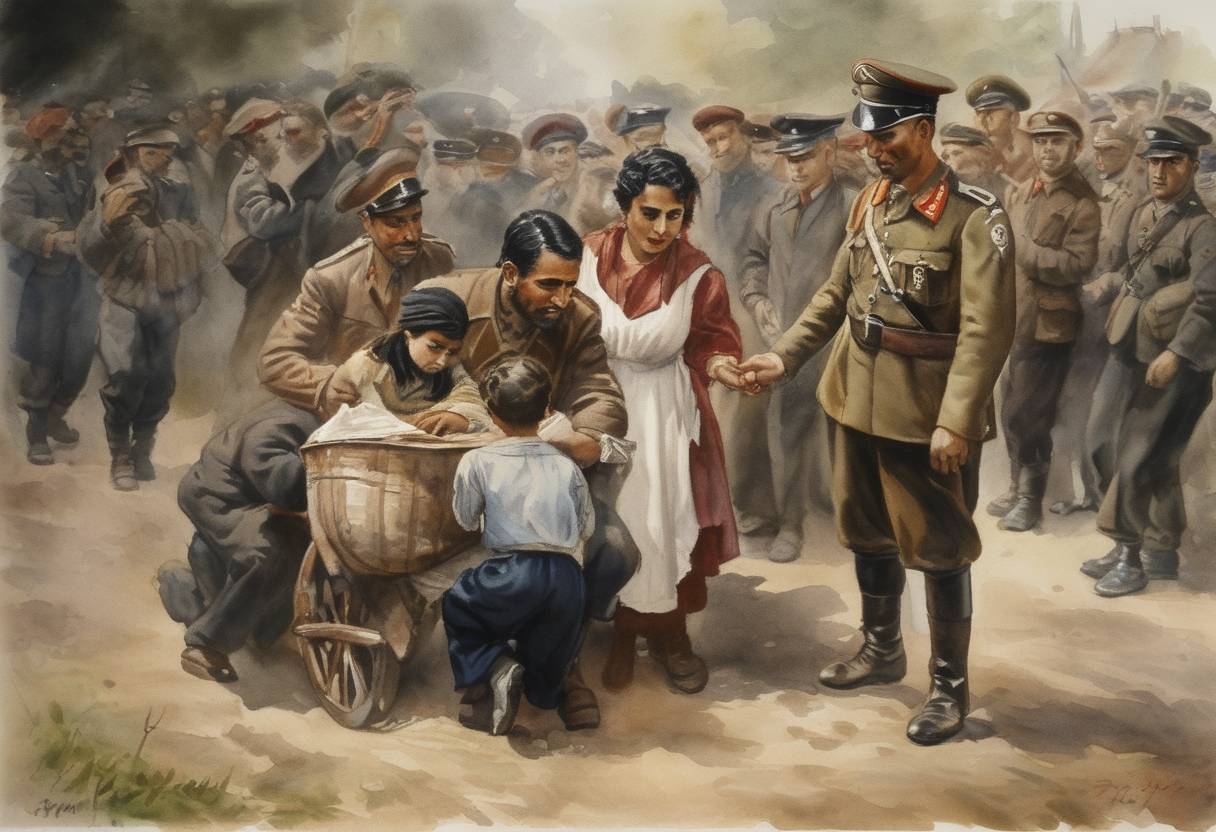
On December 13, 1938, the Nazi regime in Germany issued a decree aiming to intensify the persecution of the Romani people, under what was called the “Decree for Combating the Gypsy Plague.” This was part of the broader racial purity policies executed by the Nazis, which targeted various groups deemed “undesirable” according to their extremist racial ideologies.
The Nazi government, under Adolf Hitler, had been progressively enacting legislation and policies based on their racist and anti-Semitic belief system since their rise to power in 1933. The Romani people, like the Jews, were classified as racially inferior and subjected to severe discrimination and persecution throughout Nazi-occupied territories. This decree was a part of a systematic effort to marginalize and ultimately eliminate Romani communities, whom the Nazis scapegoated as “socially undesirable” elements.
The decree sought to create a centralized and organized approach to the so-called “Gypsy question,” mandating strict monitoring, registration, and eventually, the isolation of Romani people from the rest of the German population. It called for the comprehensive documentation of the Romani, registering individuals and families within the Reich Central Office for the Combating of the Gypsy Nuisance. This bureaucratic framework facilitated their eventual deportation and internment.
The decree marked an escalation in the systematic oppression of the Romani, laying the groundwork for future actions that mirrored the genocidal policies later enacted against the Jewish population. Functionaries of the Nazi regime, including Heinrich Himmler, used these policies to later justify the mass deportations of Romani to concentration camps, where a large number perished. It is estimated that up to 500,000 Romani people were killed during the Holocaust, an atrocity that reflects the devastating impact of this and subsequent discriminatory edicts.
This decree was part of a continuum of racial directives that exemplified the lengths to which the Nazi regime pursued its ideology at the expense of human dignity and lives. The persecution of the Romani during this period is a stark reminder of the devastating consequences of racial hatred and systemic discrimination. Understanding these events provides important historical context to both the Holocaust and ongoing discussions around minority rights and anti-discrimination efforts worldwide.
The enforcement of such policies underscores the need for vigilance against racial and ethnic discrimination in any form, highlighting the importance of remembrance and education to prevent the recurrence of such tragedies.
Source: encyclopedia.ushmm.org