Coup d'État in Mauritania - August 3, 2005
2005 · Nouakchott, Mauritania
Mauritania experiences a coup d'état, with President Maaouya Ould Sid'Ahmed Taya being overthrown while he was attending the funeral of King Fahd of Saudi Arabia.
November 29, 2009
Mauritania holds its first parliamentary election since a 2008 military coup. This election is significant as it represents a step towards restoring democratic governance in the country.
Nouakchott, Mauritania | Government of Mauritania
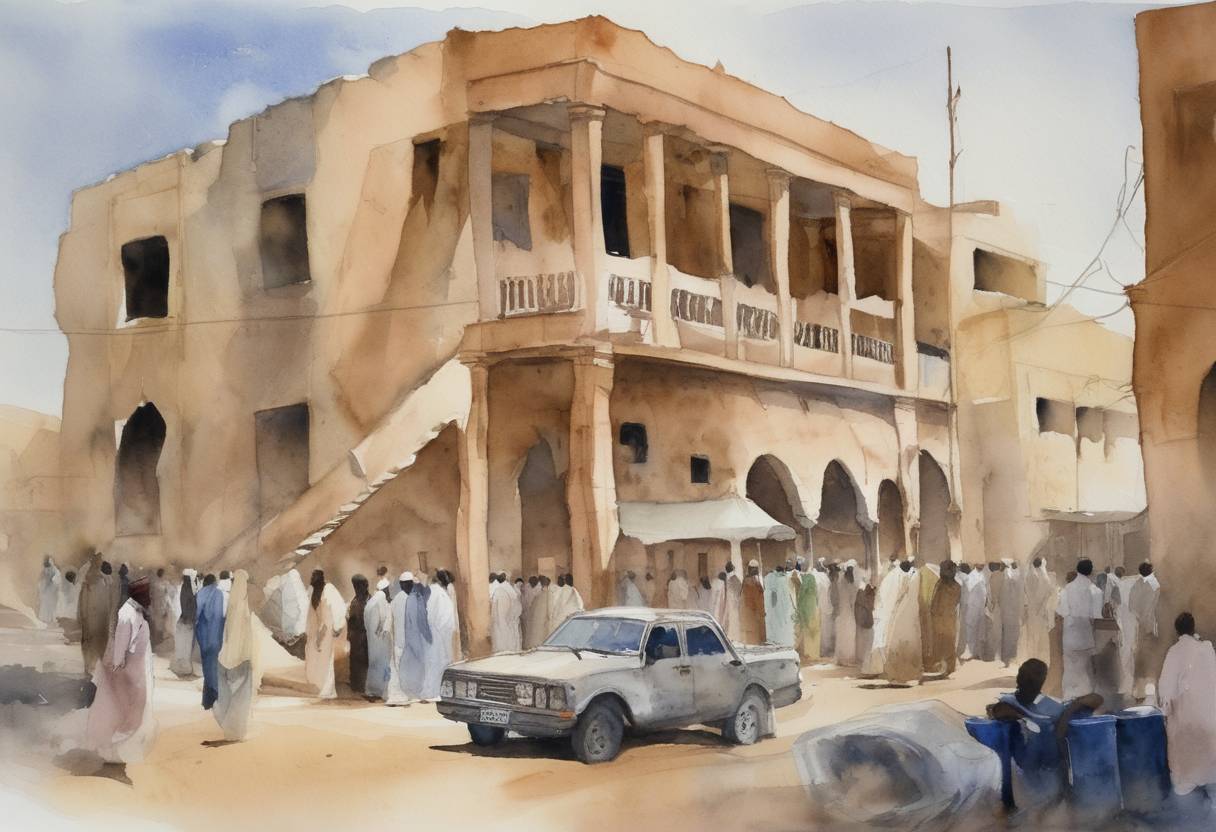
On November 29, 2009, Mauritania held its first parliamentary election since the 2008 military coup. This event marked a crucial step in the country’s path toward restoring democratic governance after a period of political instability.
In August 2008, Mauritania experienced a military coup that ousted the then-President Sidi Mohamed Ould Cheikh Abdallahi. The coup was led by General Mohamed Ould Abdel Aziz, who would later solidify his power by winning the presidential election in July 2009 amidst international pressure to return to a civilian government. The coup had been widely condemned by the African Union and various international bodies, prompting efforts to negotiate a return to democratic rule.
The parliamentary elections on November 29, 2009, were critical in the ongoing democratic transition process overseen by both international observers and local stakeholders. These elections were intended to build on the presidential election held earlier that year, where General Abdel Aziz had won amid opposition boycotts.
The elections aimed to fill the 95 seats in the National Assembly and were part of broader efforts to establish a democratic institution framework that would ensure long-term political stability and civilian governance.
These elections were significant due to their implications for Mauritania’s political landscape:
Restoration of Democracy: The conduct of parliamentary elections was an essential step in restoring the constitutional order and reaffirming the authority of elected officials in governance.
Domestic and International Credibility: Successfully holding these elections helped Mauritania regain credibility on the international stage, facilitating the lifting of sanctions and the resumption of foreign aid, crucial for its economy.
Political Stability: The exercise marked a move towards stabilizing a country fraught with coups, which had disturbed its political continuum since independence.
The elections resulted in a victory for the Union for the Republic (UPR), a party aligned with President Abdel Aziz. While the opposition criticized the electoral process, the elections were generally recognized by international observers as a positive step towards re-establishing democracy.
Moving forward, challenges remained concerning political inclusivity and economic development, but the parliamentary election of November 29, 2009, represented a pivotal moment in Mauritania’s political development.
Source: www.reuters.com