Charles de Gaulle Becomes Prime Minister of France - June 1, 1958
1958 · Paris, France
Charles de Gaulle became the Prime Minister of France.
September 28, 1958
France ratifies a new constitution, establishing the Fifth Republic under Charles de Gaulle.
Paris, France | French Government
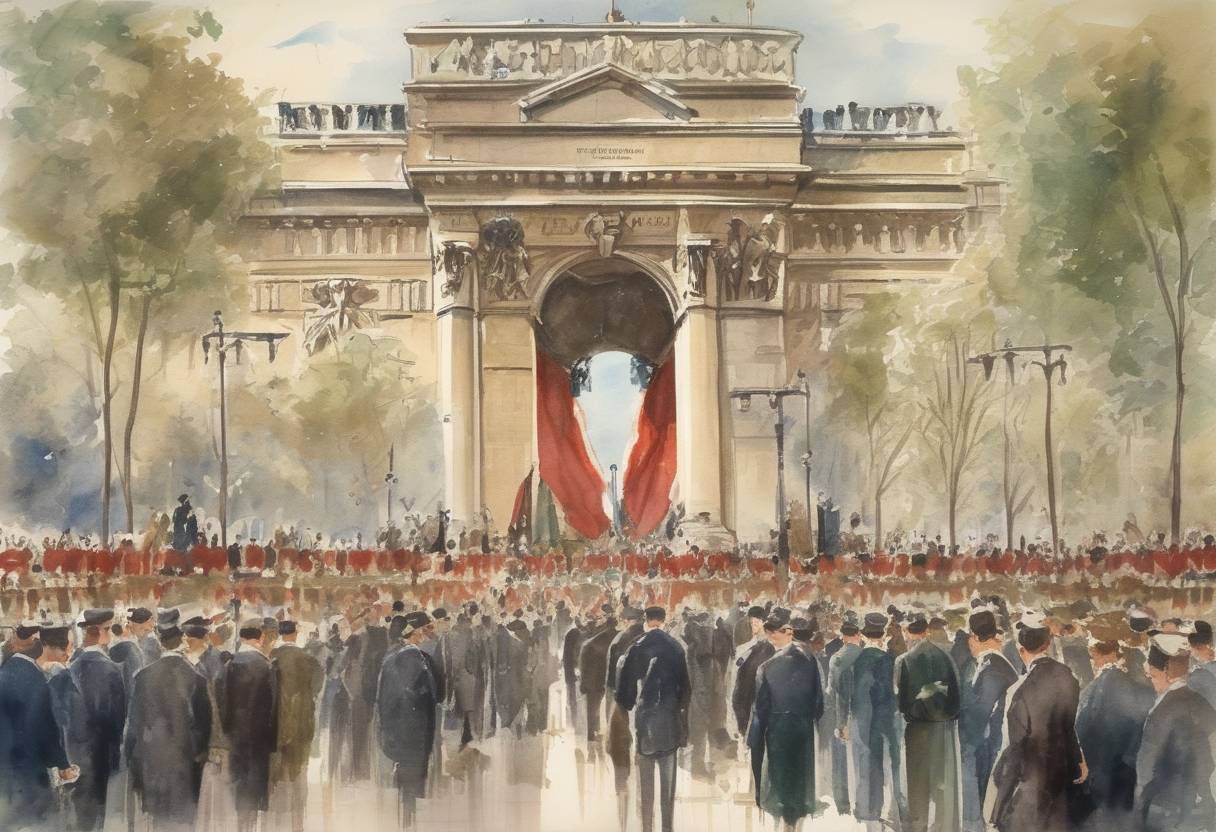
On September 28, 1958, France took a significant step in its political evolution by ratifying a new constitution, which marked the establishment of the Fifth Republic. This pivotal moment in French history was largely driven by the leadership of Charles de Gaulle, a towering figure in French politics and a key architect of the new governmental framework.
The Fourth Republic, established after World War II in 1946, was characterized by political instability, with frequent changes in government and a fragmented parliamentary system. This instability was exacerbated by the challenges of decolonization, particularly the Algerian War of Independence, which began in 1954 and placed immense pressure on the French government.
By 1958, the situation in Algeria had reached a crisis point, leading to fears of a military coup. In this climate of uncertainty, Charles de Gaulle, a respected leader from World War II and a former head of the provisional government, was called upon to return to power. De Gaulle agreed, but only under the condition that he be granted the authority to draft a new constitution.
The constitution of the Fifth Republic, drafted under de Gaulle’s guidance, was designed to provide greater stability and stronger executive power. Key features of the new constitution included:
A Strong Presidency: The President of the Republic was endowed with significant powers, including the ability to dissolve the National Assembly, appoint the Prime Minister, and call referenda. This was a marked shift from the parliamentary dominance of the Fourth Republic.
Bicameral Legislature: The legislative branch was divided into two chambers: the National Assembly and the Senate. The National Assembly retained the power to pass laws, while the Senate served as a revising chamber.
Direct Presidential Elections: Initially, the President was elected by an electoral college, but a 1962 referendum changed this to direct popular vote, further strengthening the role of the presidency.
The new constitution was put to a public referendum on September 28, 1958, and was overwhelmingly approved by the French electorate, with approximately 79% voting in favor. This strong mandate allowed de Gaulle to implement his vision of a more stable and centralized government.
The establishment of the Fifth Republic marked a turning point in French political history. It provided the framework for a more stable government, capable of addressing both domestic and international challenges. Charles de Gaulle became the first President of the Fifth Republic, serving from 1959 to 1969, and his leadership style and policies left a lasting impact on France.
The Fifth Republic has endured as the longest-lasting republic in French history, demonstrating the resilience and adaptability of its constitutional framework. It has provided France with the stability needed to navigate the complexities of modern governance, including economic challenges, social changes, and its role within the European Union.
In summary, the ratification of the new constitution on September 28, 1958, was a decisive moment that reshaped French political life and laid the foundation for the country’s contemporary governance structure.
Source: www.britannica.com