October 10, 1980

A magnitude 7.3 earthquake struck the El Asnam region of Algeria, resulting in significant casualties and damage.


El Asnam, Algeria | N/A
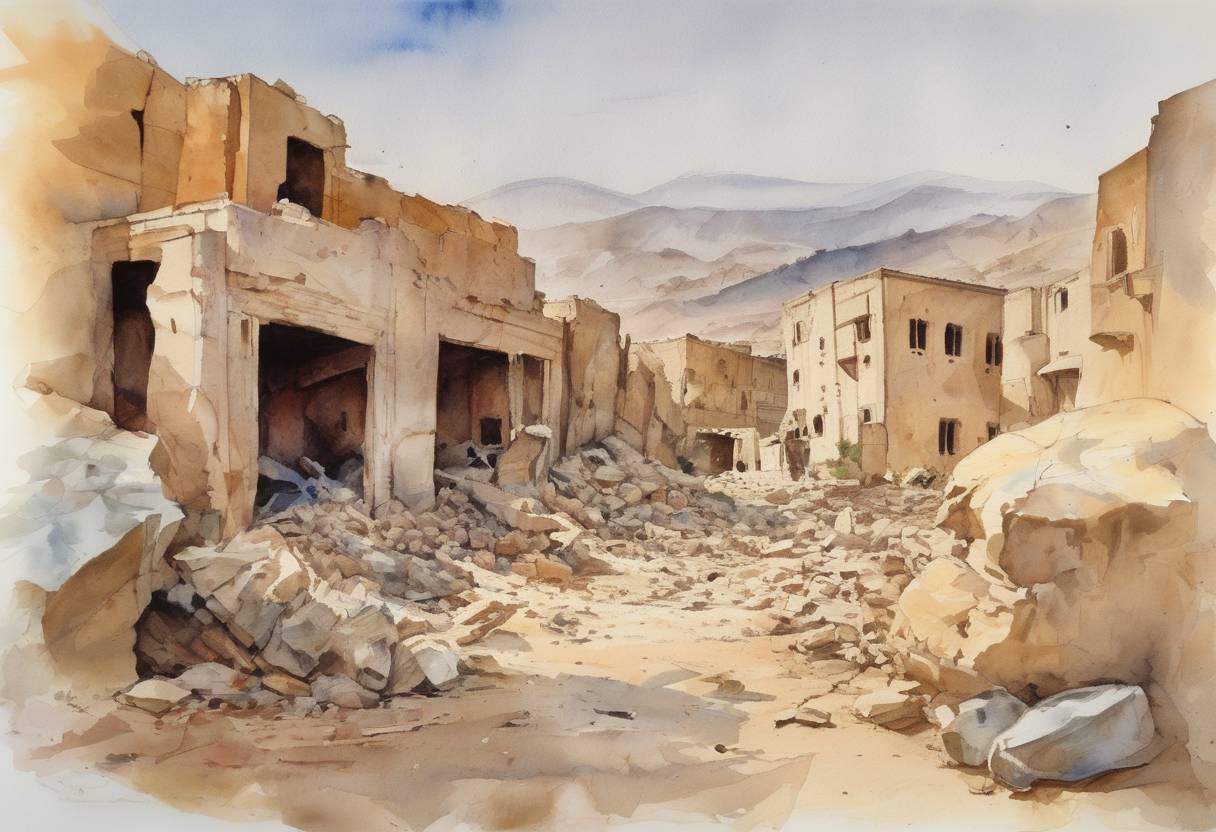
Watercolor painting based depiction of A magnitude 7.3 earthquake struck the El Asnam region of Algeria, resulting in significant casualties and damage. (1980)

The 1980 El Asnam Earthquake

On October 10, 1980, a devastating earthquake struck the El Asnam region of Algeria, now known as Chlef. This seismic event registered a magnitude of 7.3 on the Richter scale and is remembered as one of the most destructive earthquakes in the country’s history.

Context and Background

El Asnam, located in northern Algeria, is situated in a seismically active region due to the convergence of the African and Eurasian tectonic plates. This area has experienced several significant earthquakes over the centuries, but the 1980 event was particularly catastrophic.

The Earthquake

  • Date and Time: The earthquake occurred on October 10, 1980, at approximately 12:25 PM local time.
  • Magnitude: It was recorded at a magnitude of 7.3.
  • Epicenter: The epicenter was located near the town of El Asnam, approximately 200 kilometers southwest of the capital, Algiers.

Impact

  • Casualties: The earthquake resulted in significant loss of life, with estimates of around 2,633 people killed and over 8,000 injured.
  • Damage: The destruction was widespread, with approximately 300,000 people left homeless. Many buildings, particularly those not designed to withstand seismic activity, were either damaged or completely destroyed.
  • Infrastructure: Critical infrastructure, including roads, bridges, and utilities, suffered severe damage, complicating rescue and relief efforts.

Aftermath and Response

  • Rescue Efforts: The Algerian government, along with international aid organizations, mobilized quickly to provide assistance. Rescue operations were challenging due to the extent of the damage and the number of people affected.
  • Reconstruction: In the aftermath, a significant reconstruction effort was undertaken. This included rebuilding homes and infrastructure with improved earthquake-resistant designs.
  • Seismic Awareness: The earthquake highlighted the need for better preparedness and building codes in seismic zones. It led to increased awareness and improvements in construction practices in Algeria and other earthquake-prone regions.

Historical Significance

The 1980 El Asnam earthquake underscored the vulnerability of regions situated along tectonic plate boundaries. It served as a catalyst for advancements in earthquake engineering and disaster preparedness, not only in Algeria but also in other parts of the world facing similar risks. The event remains a poignant reminder of the destructive power of natural disasters and the importance of resilience and preparedness in mitigating their impact.