The United States Takes Control of Los Angeles - August 13, 1846
1846 · Los Angeles, United States
The United States takes control of Los Angeles during the Mexican-American War, marking an important step in the conquest of California.
September 4, 1781
The city of Los Angeles was founded by 44 Spanish settlers as El Pueblo de Nuestra Señora la Reina de los Ángeles de Porciúncula.
Los Angeles, United States | Spanish Empire
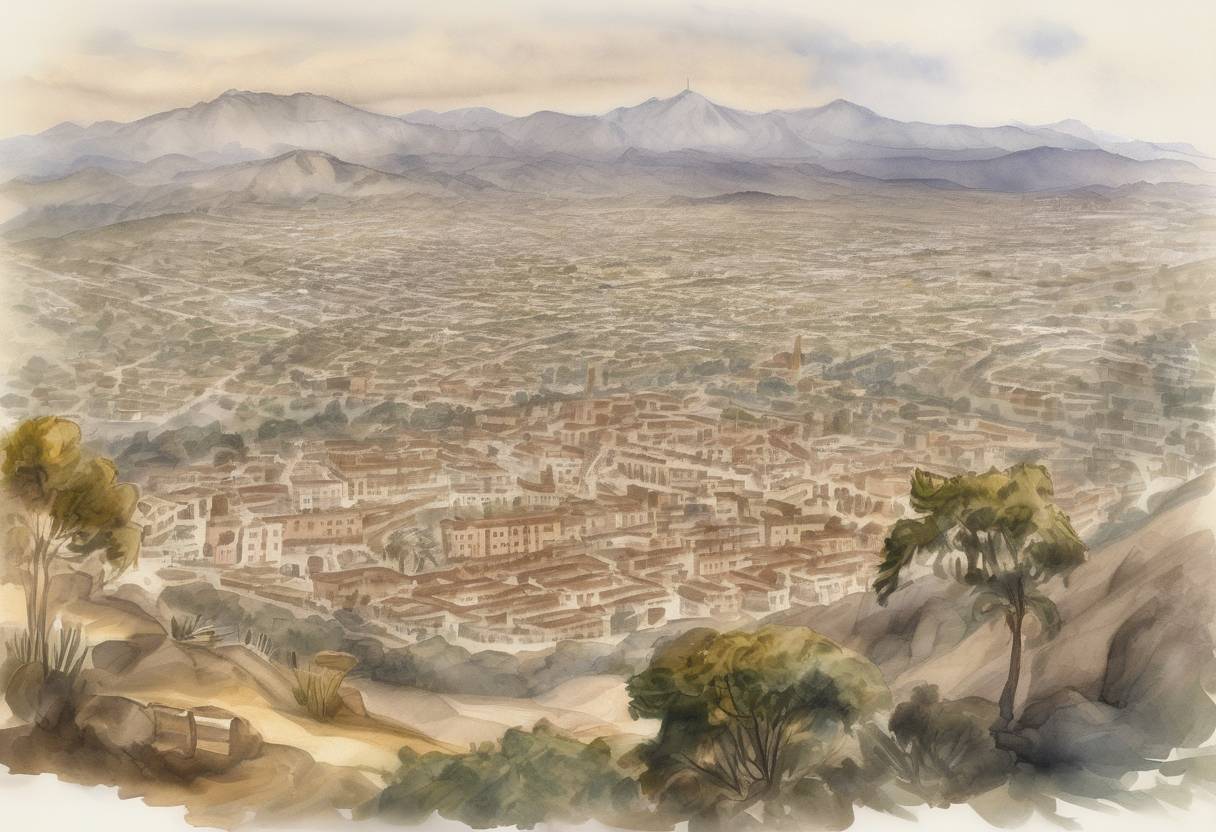
On September 4, 1781, the city of Los Angeles was founded by a group of 44 settlers of diverse backgrounds. This event marked the establishment of El Pueblo de Nuestra Señora la Reina de los Ángeles de Porciúncula, which translates to “The Town of Our Lady the Queen of Angels of Porciúncula.”
Spanish Colonial Expansion: The founding of Los Angeles was part of Spain’s broader strategy to expand its territories in the Americas during the late 18th century. The Spanish aimed to establish a series of missions, presidios, and pueblos to consolidate their presence in what is now California.
Governor Felipe de Neve: The initiative to establish Los Angeles was led by Governor Felipe de Neve, who was tasked with strengthening Spanish influence in Alta California. He envisioned a series of civilian settlements to support the military presidios and missions.
Diverse Origins: The original settlers, known as “Los Pobladores,” were a diverse group consisting of individuals of Spanish, African, and Native American descent. This diversity was reflective of the Spanish colonial policy of encouraging mixed-race settlements to promote stability and growth.
The Journey: The settlers traveled from the Mission San Gabriel Arcángel, located approximately nine miles away, to the site along the Los Angeles River, which had been chosen for its fertile land and water resources.
Location: The site chosen for the pueblo was near the Los Angeles River, in an area that offered rich agricultural potential. The river was originally named “El Río de Nuestra Señora La Reina de Los Ángeles de Porciúncula” by Spanish explorers.
Design and Layout: The pueblo was designed according to the Spanish colonial town planning system, featuring a central plaza surrounded by residential lots, agricultural lands, and common areas.
Growth and Development: Over the years, Los Angeles grew from a small agricultural settlement into a bustling city. It became a key economic and cultural hub in California, especially after the annexation of California by the United States in 1848.
Cultural Legacy: The founding of Los Angeles is a testament to the multicultural roots of the city, which continue to influence its identity today. The city’s name and original mission reflect its Spanish colonial heritage.
Modern Los Angeles: Today, Los Angeles is one of the largest and most diverse cities in the United States, known for its significant contributions to entertainment, technology, and international trade.
The founding of Los Angeles on September 4, 1781, laid the groundwork for the development of a city that would become a major global metropolis, reflecting the complex history and cultural tapestry of California.
Source: en.wikipedia.org