India Gains Independence from British Rule
1947 · New Delhi, India
India gained independence from British rule, marking the end of nearly 200 years of colonial rule.
December 12, 1911
Delhi replaces Calcutta as the capital of India during the British Raj, as announced by King George V at the Delhi Durbar.
Delhi, India | British Empire
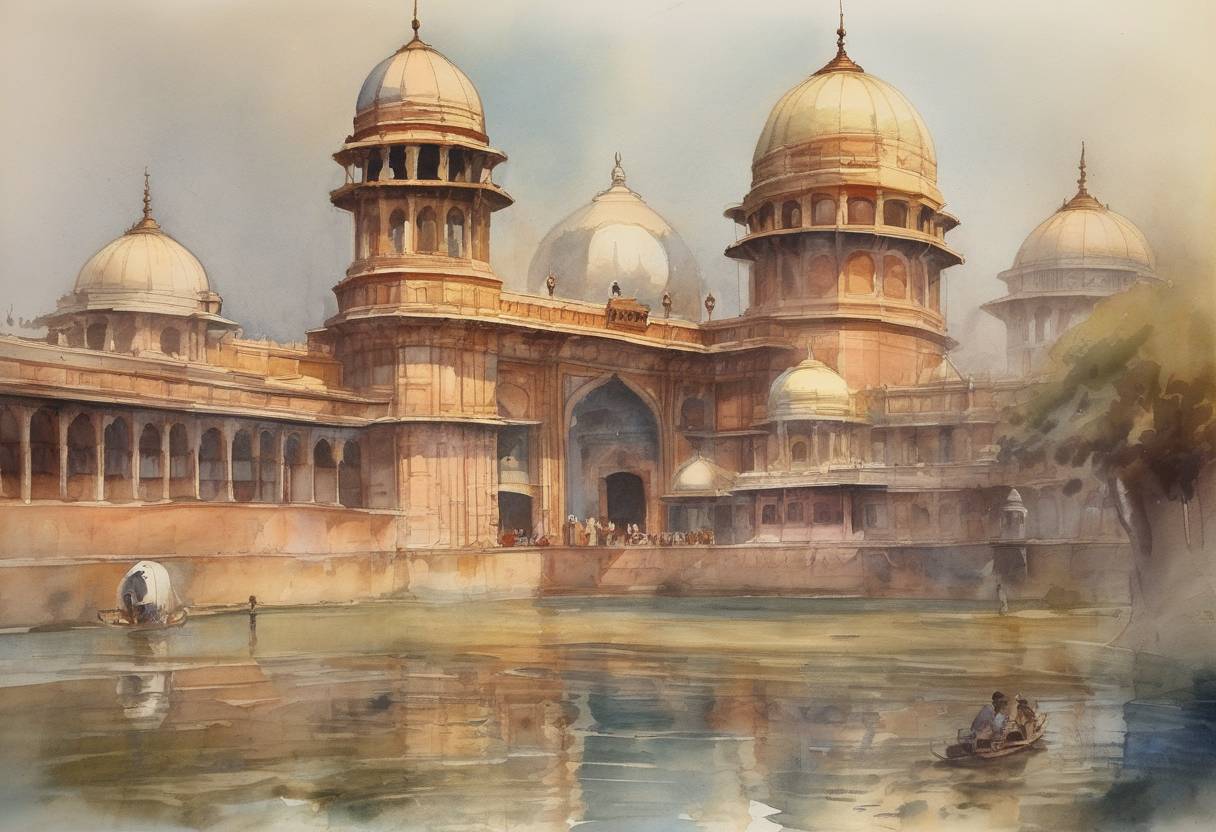
On December 12, 1911, during the British Raj, a significant announcement was made by King George V at the Delhi Durbar, declaring that the capital of British India would be shifted from Calcutta (now Kolkata) to Delhi. This decision marked a pivotal moment in the colonial administration of India and had profound implications for the region’s political and cultural landscape.
Calcutta as the Capital: Since 1772, Calcutta had served as the capital of British India. It was the center of British power and administration, as well as a hub for commerce and trade.
Strategic Considerations: The decision to move the capital was influenced by several factors. Delhi was considered more centrally located, which would facilitate better governance of the vast Indian subcontinent. Additionally, Delhi held historical significance as a former seat of power for various Indian empires, including the Mughals.
Political Climate: The early 20th century was a period of growing nationalist movements in India. The British administration sought to assert its authority and perhaps mitigate the rising discontent by relocating the capital to a city with deep historical roots.
The Event: The Delhi Durbar of 1911 was a grand ceremonial gathering held to mark the coronation of King George V and Queen Mary as Emperor and Empress of India. It was attended by Indian princes, British officials, and dignitaries.
The Announcement: During the Durbar, King George V announced the transfer of the capital from Calcutta to Delhi. This decision was part of a broader strategy to reinforce British imperial power and presence in India.
Construction of New Delhi: Following the announcement, plans were set in motion to build a new administrative area in Delhi, which would later be known as New Delhi. The city was designed by British architects Sir Edwin Lutyens and Sir Herbert Baker, and construction began in 1912, eventually being completed in 1931.
Impact on Calcutta: While Calcutta remained an important cultural and economic center, the shift of the capital marked a decline in its political significance.
Symbolic Significance: The move to Delhi was symbolic of the British desire to connect with India’s imperial past while establishing a modern administrative center. It also reflected the British strategy of consolidating their rule by relocating to a city with historical prestige.
The relocation of the capital to Delhi was more than a mere administrative change; it was a strategic move that underscored the British Empire’s efforts to maintain control over India amidst growing nationalist sentiments. It also set the stage for Delhi’s future as the political heart of independent India, a role it continues to play today.
In summary, the announcement made by King George V at the Delhi Durbar on December 12, 1911, was a defining moment in the history of British India, with lasting impacts on the region’s political and cultural trajectory.
Source: en.wikipedia.org