Azerbaijan Declares Independence from the Soviet Union
1991 · Baku, Azerbaijan
Azerbaijan declares its independence from the Soviet Union following a national referendum.
September 9, 1991
Tajikistan declared its independence from the Soviet Union, becoming a sovereign nation.
Dushanbe, Tajikistan | Tajik Government
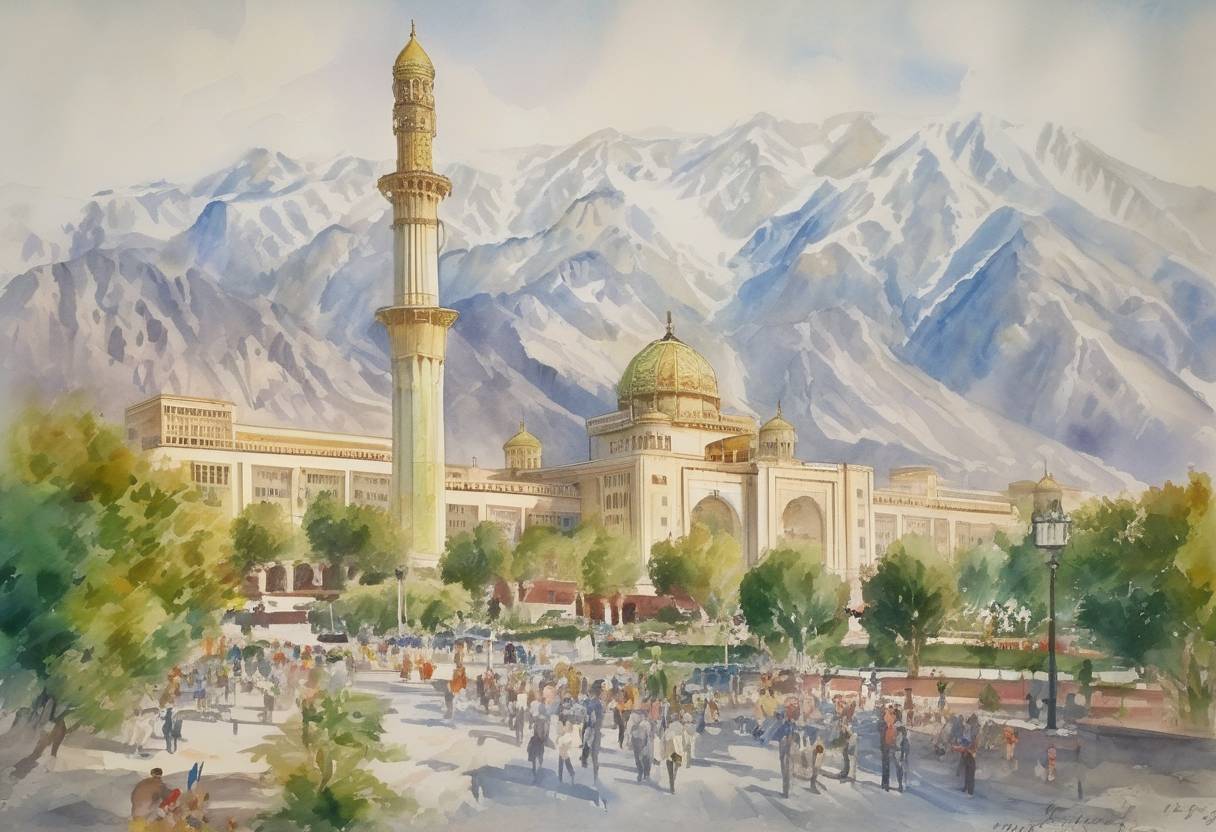
On September 9, 1991, Tajikistan declared its independence from the Soviet Union, marking a significant moment in the country’s history as it became a sovereign nation. This event was part of a larger wave of independence movements across the Soviet republics during the dissolution of the Soviet Union.
The late 1980s and early 1990s were a period of significant political upheaval in the Soviet Union. Under the leadership of Mikhail Gorbachev, policies such as glasnost (openness) and perestroika (restructuring) were introduced, which inadvertently accelerated demands for greater autonomy and independence among the Soviet republics.
In Tajikistan, as in other republics, these reforms led to increased national consciousness and a push for sovereignty. The weakening of central Soviet control and the failed coup attempt in August 1991 further destabilized the Union, providing an impetus for republics to assert their independence.
Tajikistan’s independence was part of the broader dissolution of the Soviet Union, which saw the emergence of 15 independent republics. This period reshaped the political landscape of Eurasia and had lasting impacts on global geopolitics, influencing regional dynamics in Central Asia and beyond.
The declaration of independence remains a pivotal moment in Tajikistan’s history, commemorated annually as Independence Day, symbolizing the country’s sovereignty and resilience in the face of adversity.
Source: en.wikipedia.org