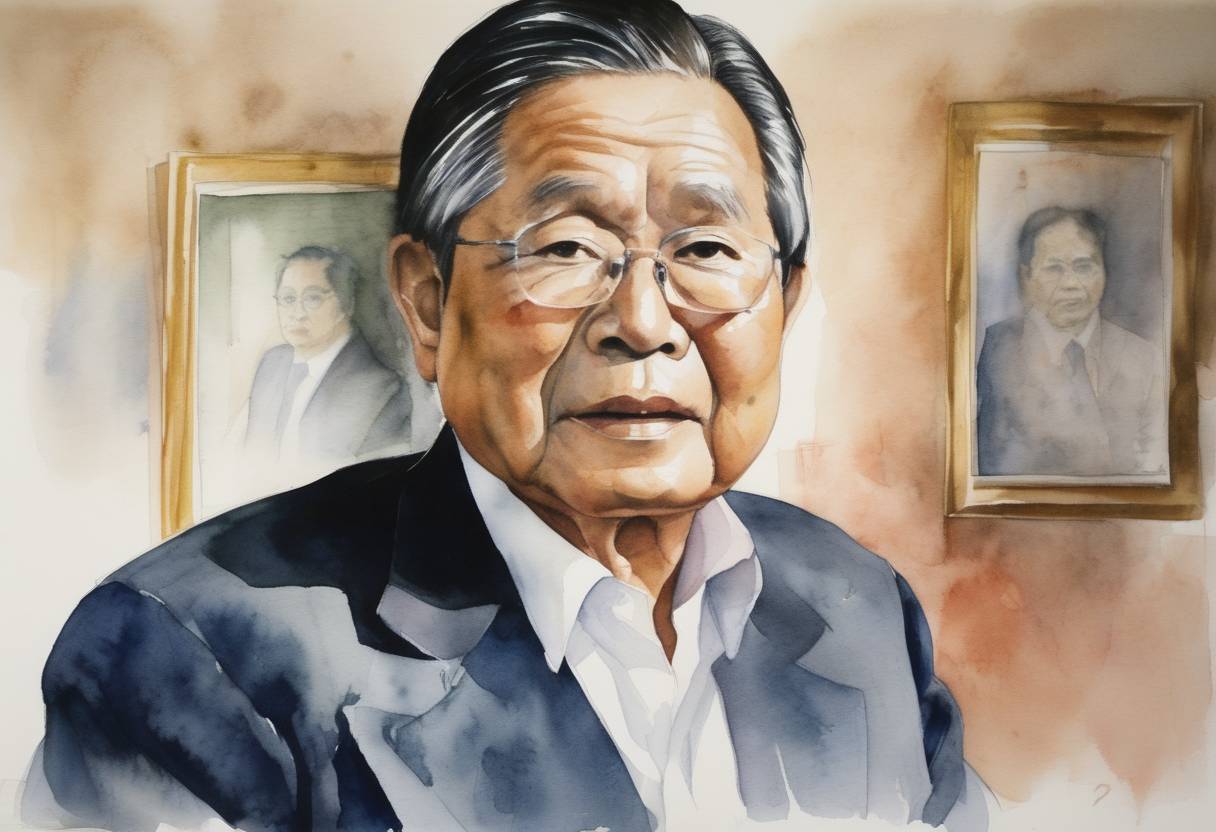
Alberto Fujimori’s Guilty Plea - November 20, 2007
On November 20, 2007, former Peruvian President Alberto Fujimori pleaded guilty to charges related to ordering an illegal search to recover potentially compromising videotapes. The incident was part of the broader “Vladivideos” scandal, named after Vladimiro Montesinos, Fujimori’s chief of intelligence, involving videos showing political bribery and corruption.
Context and Background
Alberto Fujimori Presidency (1990-2000): Fujimori served as President of Peru from 1990 to 2000, during which he implemented significant economic reforms but also faced criticism for authoritarian practices and human rights abuses.
Vladimiro Montesinos and the “Vladivideos”: Montesinos, his intelligence chief, was instrumental in bribing officials and media. Videotapes capturing these illegal activities were exposed, leading to a massive scandal.
Events Leading to the Guilty Plea
Flight & Arrest: Following the scandal’s emergence in 2000, Fujimori fled to Japan and intended to resign remotely, which Peru rejected, instead removing him from office. Arrested in Chile in 2005 after a surprise visit, he was extradited to Peru in 2007.
Trial for Illegal Search: The specific case leading to his guilty plea involved an illegal search of the apartment of Montesinos’s former associate in 2000, aimed at retrieving additional incriminating tapes.
Legal Outcome
Guilty Plea and Sentencing: On November 20, 2007, Fujimori admitted to ordering the illegal apartment raid. Subsequently, he was sentenced to six years in prison for abuse of power.
Broader Legal Consequences: This plea was part of numerous legal proceedings against him, entailing charges for human rights violations, including massacres committed by a military death squad.
Historical Significance
Impact on Peruvian Politics: Fujimori’s conviction marked a pivotal moment in Peru’s fight against corruption and set a legal precedent for holding former leaders accountable.
Fujimori’s Legacy: Despite his controversial presidency marred by corruption, some Peruvians credit him for defeating the Shining Path insurgency and stabilizing the economy. However, his legal battles have significantly tainted his legacy.
Aftermath
Fujimori’s legal battles continued, resulting in additional convictions for human rights abuses in 2009. Though briefly pardoned in 2017, his pardon was later annulled. These events emphasize ongoing struggles in Peru regarding justice and political accountability.
This case unveils the complex interplay between political power and legal justice in post-dictatorial societies, reflecting broader regional challenges in Latin America.