Apple Inc. v. Pepper: Supreme Court Ruling on May 13, 2019
2019 · Washington D.C., United States
The United States Supreme Court ruled in Apple Inc. v. Pepper that iPhone users could sue Apple for monopolizing the market for iPhone apps.
April 5, 2000
The Microsoft antitrust case concludes its initial trial, as the U.S. District Court finds Microsoft liable for maintaining a monopoly and engaging in anti-competitive practices.
Washington, D.C., United States | U.S. Department of Justice
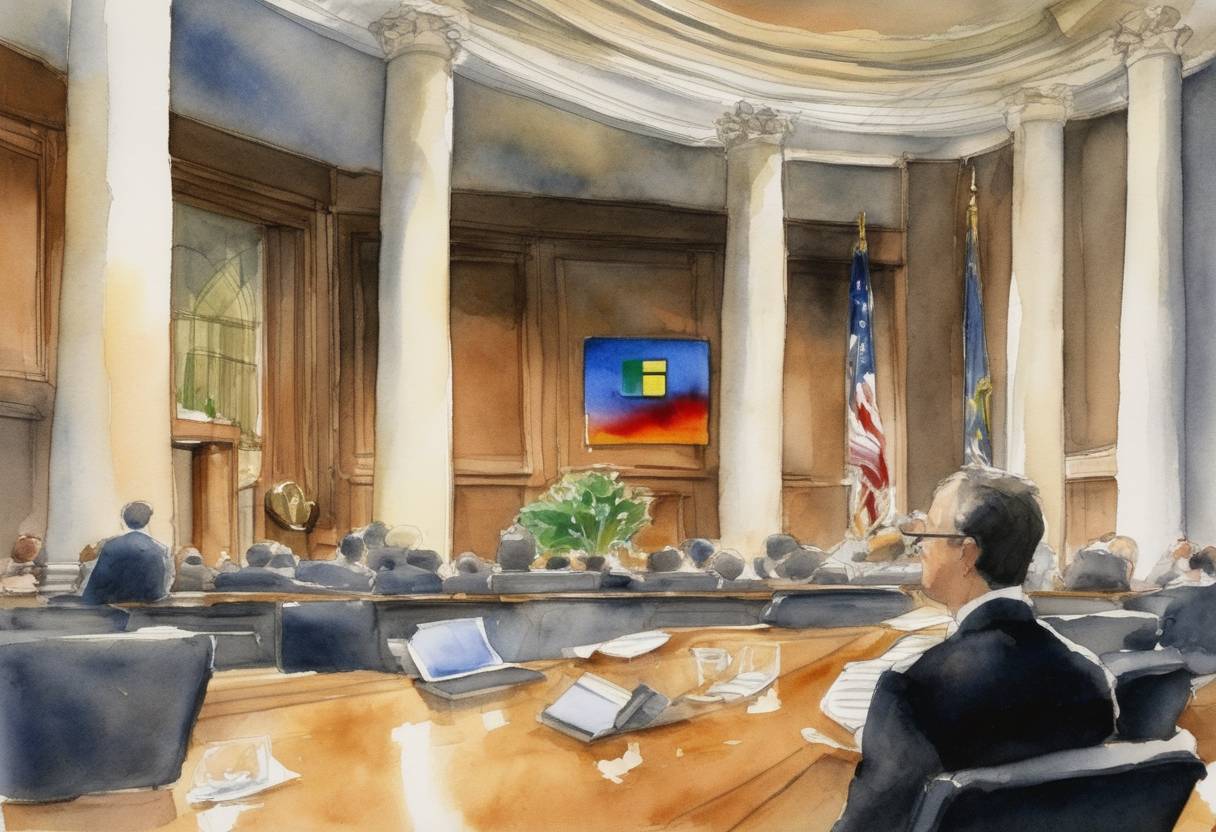
On April 5, 2000, the U.S. District Court presided over by Judge Thomas Penfield Jackson concluded its initial trial in the landmark antitrust case against Microsoft Corporation. The court found Microsoft liable for maintaining a monopoly and engaging in anti-competitive practices that violated the Sherman Antitrust Act.
The case began on May 18, 1998, when the United States Department of Justice (DOJ), along with 20 state attorneys general, filed a lawsuit against Microsoft. The primary accusation was that Microsoft had abused its dominant position in the market to stifle competition, particularly in the internet browser sector. The case centered on Microsoft’s actions regarding its integration of the Internet Explorer web browser with its Windows operating system, a move perceived to marginalize competitors like Netscape Navigator.
Judge Jackson issued his findings of fact in November 1999, where he identified several key actions by Microsoft that demonstrated anti-competitive behavior:
The decision on April 5, 2000, was a significant moment in antitrust law and the technology industry. It set the stage for further legal proceedings to determine the appropriate remedies, which initially included proposals to break up Microsoft into separate entities. Although the company’s stock value was affected and its operating strategies scrutinized, Microsoft remained a pivotal entity in the software industry.
Following the court’s decision, a lengthy process of appeals and negotiations ensued. In November 2001, the DOJ reached a settlement with Microsoft that imposed restrictions on its business practices but stopped short of breaking up the company. This settlement was finalized after a federal appeals court upheld it in 2004.
The case had enduring effects on the software industry and antitrust regulations, prompting increased scrutiny of technology giants and their market practices. It also highlighted the balancing act between fostering innovation and preventing market monopolies, a debate that continues into the digital age.
Source: www.justice.gov