Mickey Mouse's Debut in "Steamboat Willie" - November 18, 1928
1928 · New York City, United States
Mickey Mouse made his first appearance in the animated short film 'Steamboat Willie', marking the official debut of the character.
January 13, 1930
The Mickey Mouse comic strip debuts in newspapers. The strip, a significant piece of American pop culture, helped further popularize the Mickey Mouse character created by Walt Disney and Ub Iwerks.
New York City, United States | Walt Disney Enterprises
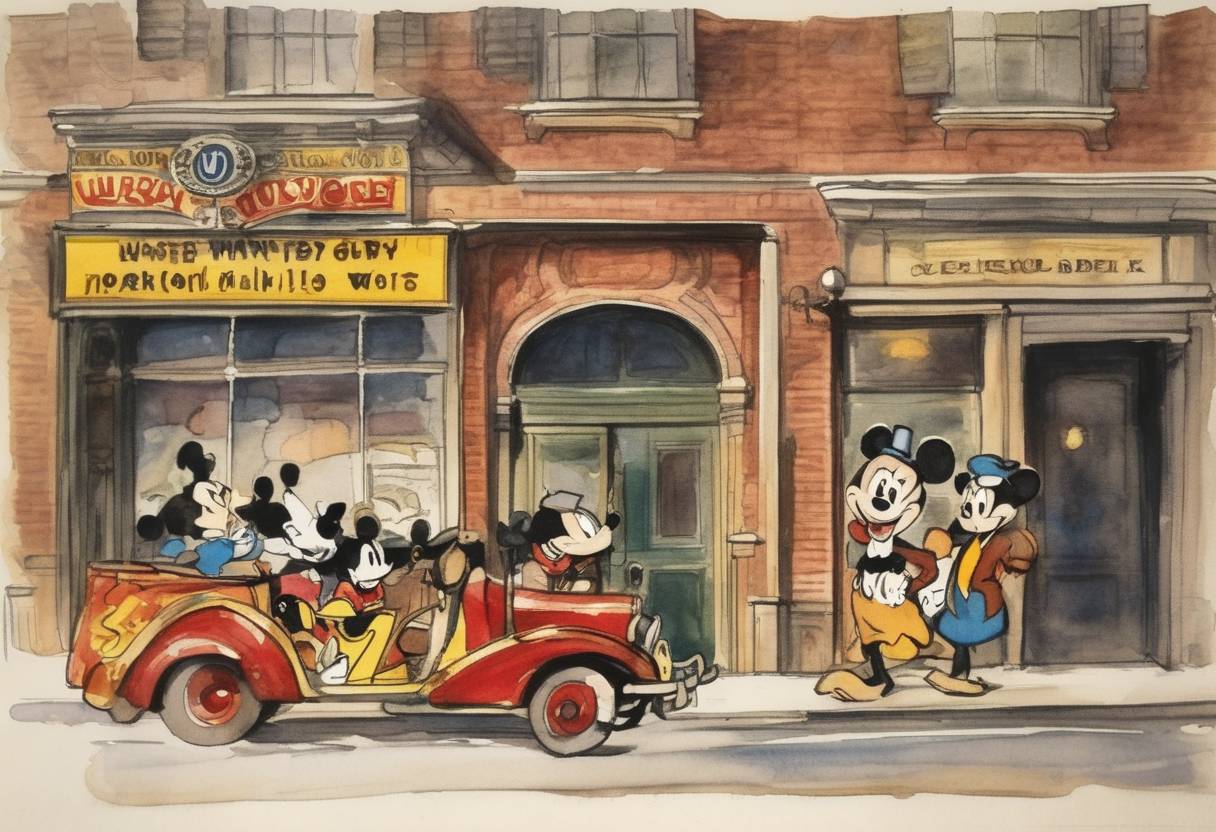
On January 13, 1930, the iconic Mickey Mouse comic strip made its debut in newspapers across the United States, marking a pivotal moment in the history of American pop culture and the expansion of Walt Disney’s entertainment empire. The strip was a natural extension of the success Disney had experienced with the Mickey Mouse animated shorts, which had rapidly gained popularity since the character’s first appearance in 1928.
The Mickey Mouse comic strip was the result of a collaboration between Walt Disney and Ub Iwerks, both of whom were instrumental in the creation of the character. Walt Disney served as the visionary and driving force behind his burgeoning company, while Ub Iwerks, an accomplished animator and artist, was largely responsible for the original design and animations of Mickey Mouse.
By the time the comic strip debuted, Mickey Mouse had already become a well-known character thanks to cartoon shorts such as “Steamboat Willie” and “The Gallopin’ Gaucho.” Disney recognized the potential of comics as a platform to extend Mickey’s reach and solidify his status in popular culture, leading to the development of the comic strip format.
The inaugural comic strip, written by Disney and with early artwork contributed by Iwerks before he departed the company, captured the charm and humor that audiences had come to expect from Mickey Mouse. The serialization of Mickey’s adventures allowed for deeper storytelling and character development than what was possible in the short film format.
This first strip set the tone for many subsequent adventures, portraying Mickey as a spirited and optimistic character, often getting into humorous situations but eventually triumphing through cleverness and resourcefulness. Over time, more characters from the Mickey Mouse canon, such as Minnie Mouse, Clarabelle Cow, and eventually Goofy and Donald Duck, would appear, enriching the storylines.
The immediate success of the comic strip helped cement Mickey Mouse’s place as a beloved figure in American culture. As the strip appeared in numerous newspapers, it reached an audience that might not have had access to the animated shorts, thus broadening Mickey’s fan base.
The comic strip continued for decades, influencing not just other comic strips but also the broader landscape of entertainment and media. It played a significant role in Disney’s growth, contributing to the foundation upon which later successes were built, leading to Disney’s eventually becoming one of the largest media conglomerates in the world.
The enduring appeal of the Mickey Mouse comic strip illustrates the timeless charm and widespread influence of the character, making January 13, 1930, a significant date in the annals of pop culture history.
Source: d23.com