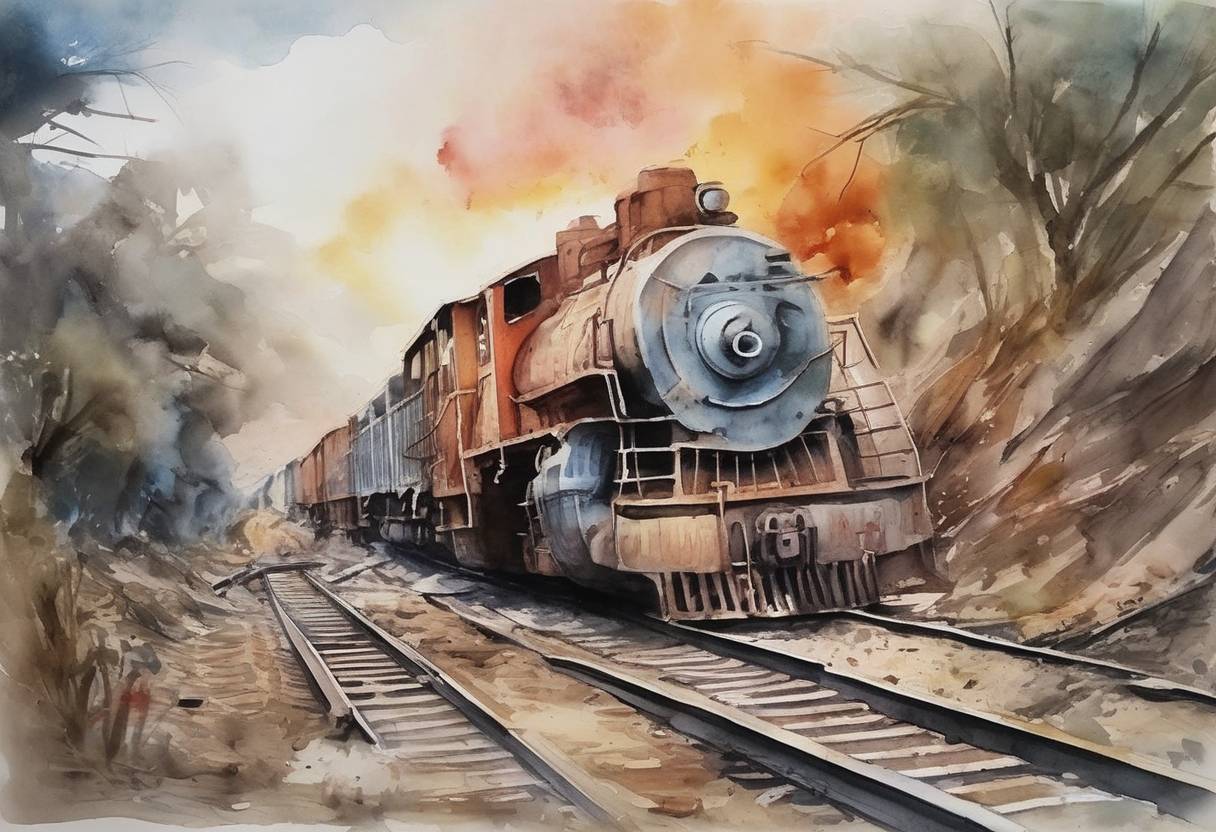
Train Derailment in Muzaffarnagar, India - August 19, 2017
On August 19, 2017, a tragic train derailment occurred near Khatauli, a town in the Muzaffarnagar district of Uttar Pradesh, India. The incident involved the Kalinga Utkal Express, which was en route from Puri in Odisha to Haridwar in Uttarakhand. This catastrophic event resulted in the deaths of at least 23 people and left over 150 others injured.
Context and Details of the Incident
- Time and Location: The derailment happened around 5:45 PM local time near Khatauli, approximately 100 kilometers from New Delhi.
- Train Composition: The Kalinga Utkal Express was a long-distance passenger train, which is a common mode of transportation in India, connecting various states and facilitating travel for thousands of passengers daily.
- Cause of Derailment: Initial investigations suggested that the derailment might have been caused by maintenance work on the tracks that had not been properly communicated to the train operators. It was reported that the train was traveling at a high speed when it hit a section of the track that was under repair.
- Rescue Operations: Emergency services, including the National Disaster Response Force (NDRF), were promptly deployed to the site. Local residents also played a crucial role in the initial rescue efforts, helping to extricate passengers trapped in the overturned coaches.
- Medical Assistance: Injured passengers were rushed to nearby hospitals in Muzaffarnagar and Meerut for treatment. The severity of injuries varied, with some passengers requiring critical care.
Aftermath and Consequences
- Investigation: The Indian Railways launched an investigation to determine the exact cause of the derailment. The focus was on potential lapses in communication and safety protocols during track maintenance.
- Accountability: Several railway officials were suspended or transferred as a result of the incident, highlighting systemic issues within the railway’s operational and safety procedures.
- Compensation: The Indian government announced compensation for the families of the deceased and for those injured in the accident.
Broader Historical Significance
- Railway Safety Concerns: This derailment was one of several railway accidents in India around that time, drawing attention to the urgent need for improvements in railway infrastructure and safety measures.
- Policy Implications: The incident prompted discussions on modernizing India’s railway network, including better maintenance practices, improved communication systems, and enhanced safety protocols to prevent future tragedies.
The Muzaffarnagar train derailment remains a somber reminder of the challenges faced by India’s railway system and the ongoing efforts required to ensure the safety and reliability of one of the world’s largest rail networks.