Coronation of Duke Władysław I as King of Poland
1320 · Kraków, Poland
Duke Wladyslaw I of Poland is crowned king, marking the beginning of the reunification of Poland after a period of fragmentation.
April 18, 1025
Bolesław I the Brave is crowned in Gniezno Cathedral, becoming the first King of Poland.
Gniezno, Poland
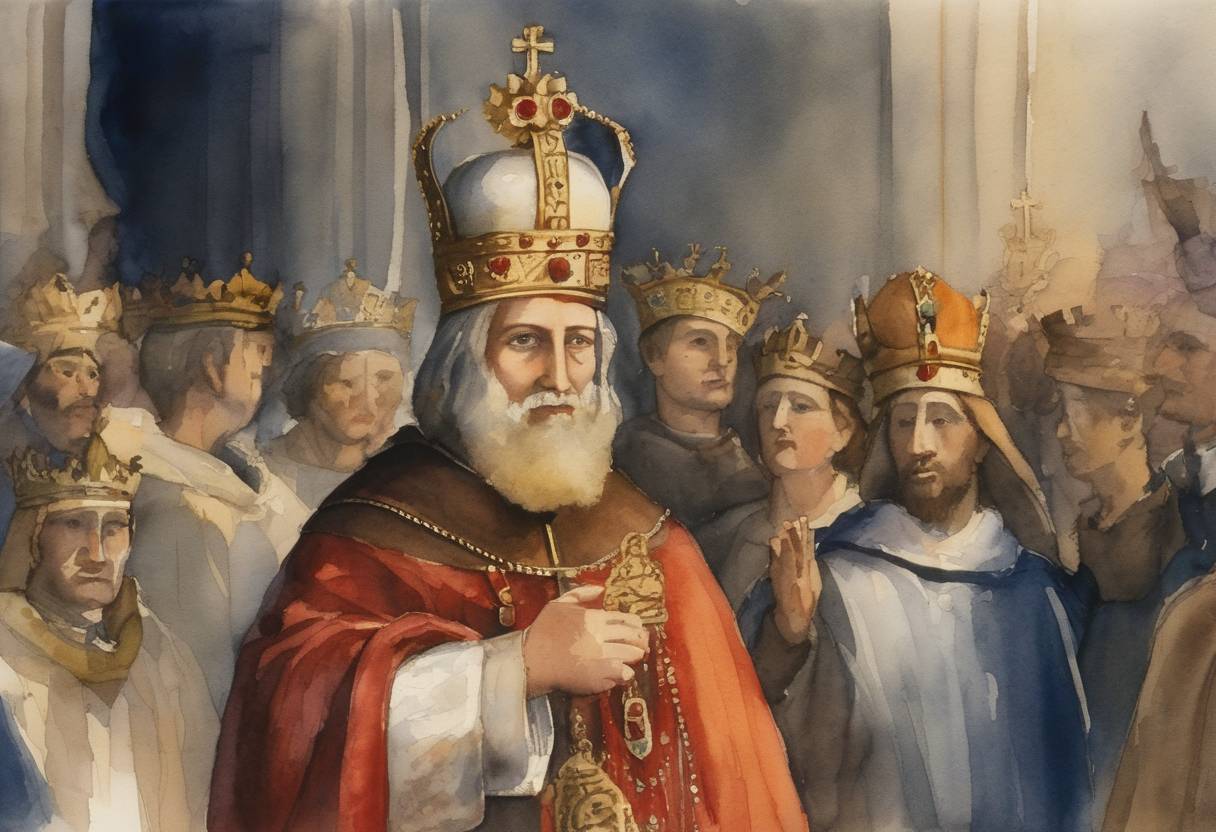
On April 18, 1025, Bolesław I the Brave was crowned the first King of Poland in a significant and symbolic ceremony held at the Gniezno Cathedral. This event marked a pivotal moment in Polish history, as it symbolized the elevation of Poland from a duchy to a kingdom and solidified Bolesław’s authority and legacy.
Bolesław was born in 967, the son of Mieszko I, the first ruler of the Polish state, and his Bohemian wife, Dobrawa. Mieszko I’s reign had already seen the establishment of a central Polish state and its integration into the Christian world through his own baptism in 966. Upon Mieszko’s death in 992, Bolesław took leadership with ambitions to expand and strengthen the Polish realm.
The coronation itself was a grand affair, attended by various bishops and nobility, signifying both political and religious approval of Bolesław’s new status as king. This was a crucial act of sovereignty, symbolizing the independence of Poland from imperial overlordship.
Bolesław I the Brave’s coronation not only elevated his personal stature but also cemented the significance of the Polish crown within the European context, shaping the nation’s history for centuries to come.
Source: en.wikipedia.org