U.S. Withdrawal from the Paris Agreement - June 1, 2017
2017 · Washington, D.C., United States
U.S. President Donald Trump announced the country's withdrawal from the Paris Agreement on climate change mitigation.
July 19, 1993
President Bill Clinton announces the 'Don't Ask, Don't Tell' policy regarding homosexuality in the U.S. military.
Washington, D.C., United States | United States Government
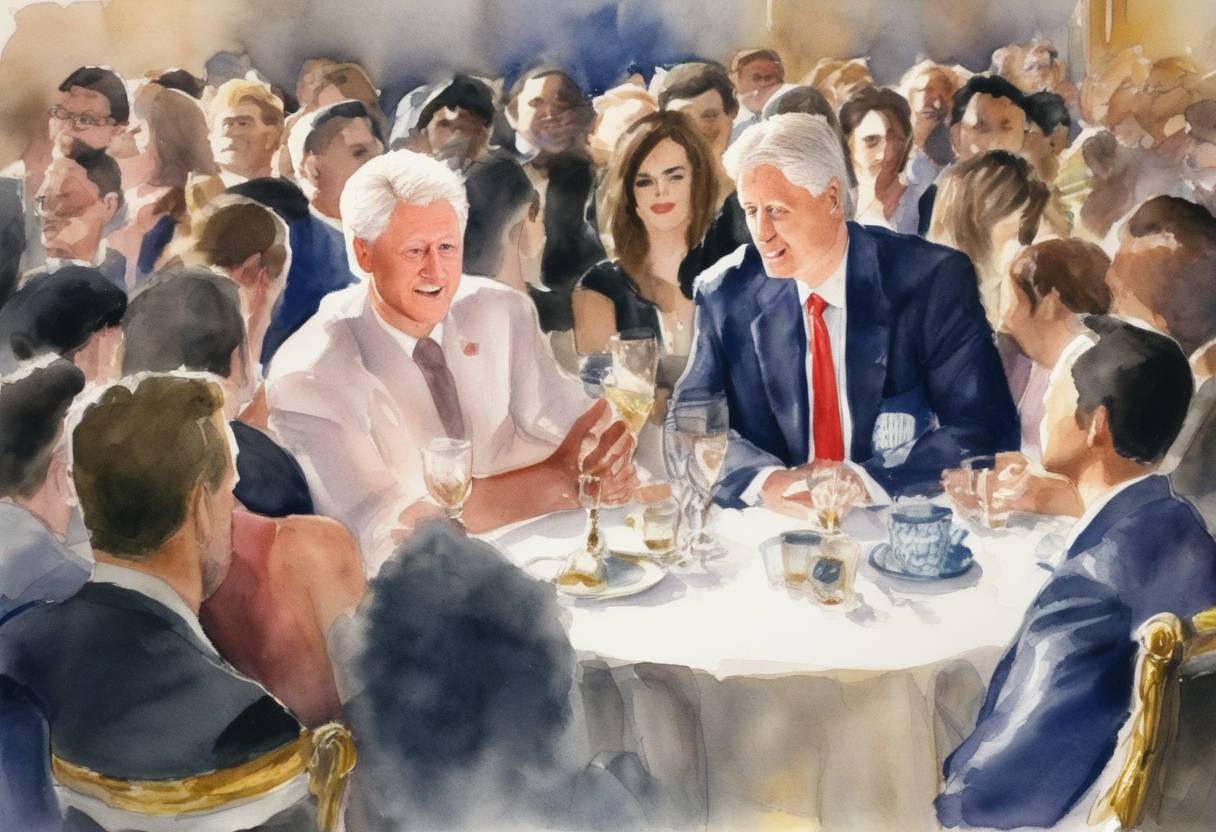
On July 19, 1993, President Bill Clinton publicly announced the U.S. military policy commonly known as “Don’t Ask, Don’t Tell” (DADT). This policy represented a compromise between the existing prohibition on openly gay service members in the U.S. armed forces and the advocacy for allowing them to serve openly. The policy was officially enacted later that year.
Upon taking office in January 1993, President Clinton faced pressure to fulfill a campaign promise to lift the ban on homosexuals serving in the military. However, this initiative encountered strong resistance from military leaders and members of Congress. As a solution, the “Don’t Ask, Don’t Tell” policy emerged during negotiations with Congress and military officials.
Under this policy:
The intention behind DADT was to allow gay, lesbian, and bisexual individuals to serve as long as they kept their sexual orientation private.
The “Don’t Ask, Don’t Tell” policy sparked significant debate and controversy. It was criticized by advocates for LGBTQ+ rights for necessitating concealment of identity and criticized by opponents of lifting any restrictions on homosexual service.
The “Don’t Ask, Don’t Tell” announcement remains a critical moment in the history of LGBTQ+ rights in the United States, reflecting the complexities and tensions inherent in social policy changes.
Source: web.archive.org