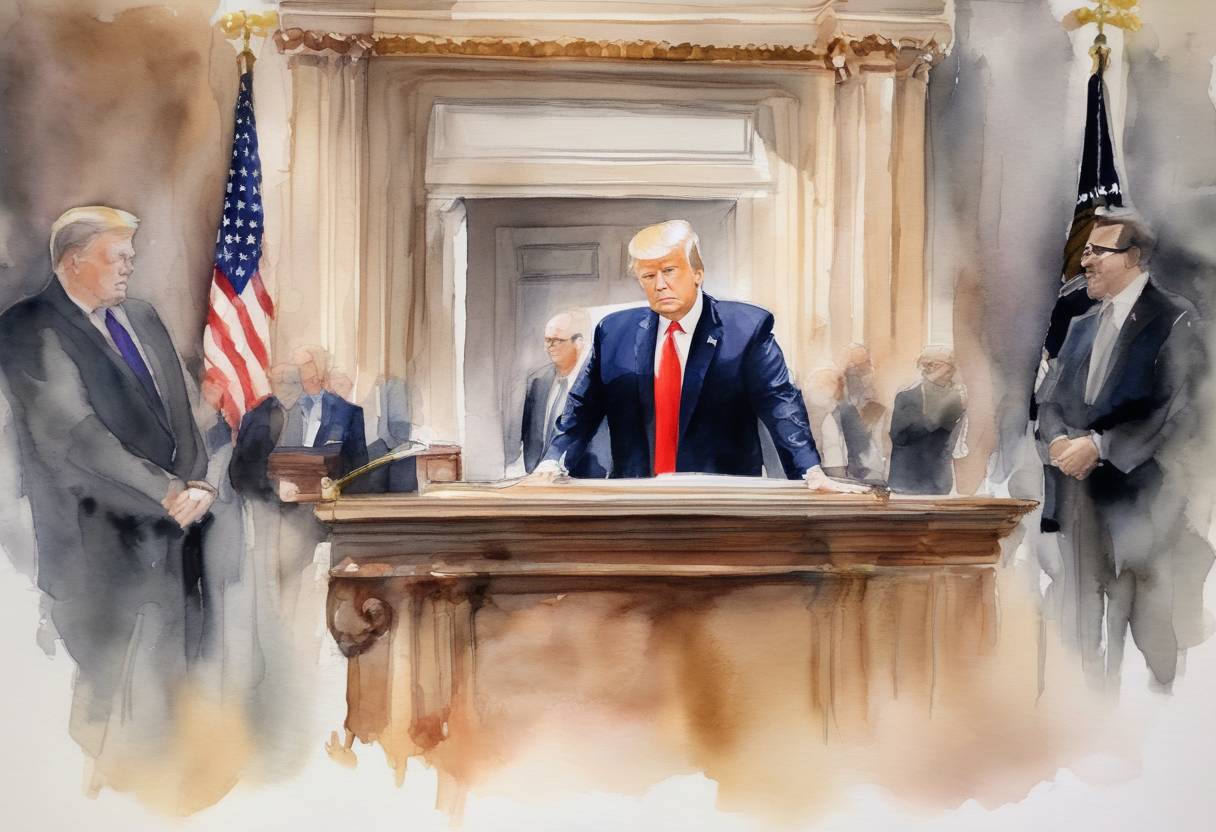
Nomination of Neil Gorsuch to the U.S. Supreme Court
On February 1, 2017, President Donald J. Trump nominated Neil Gorsuch to the United States Supreme Court, a pivotal decision aimed at filling the vacancy left by the passing of Justice Antonin Scalia in February 2016. This nomination came during President Trump’s early days in office, delivering on a campaign promise to appoint a justice in the mold of Scalia, known for his conservative and originalist approach to constitutional interpretation.
Context and Background
The seat on the Supreme Court had remained vacant for nearly a year following Justice Scalia’s death, due to a political stalemate over President Barack Obama’s nomination of Merrick Garland in March 2016. The Republican-controlled Senate, led by Majority Leader Mitch McConnell, chose not to hold hearings or a vote on Garland’s nomination, arguing that the next Supreme Court justice should be appointed by the incoming president following the November 2016 election.
Neil Gorsuch’s Judicial Philosophy
Neil Gorsuch, at the time a judge on the United States Court of Appeals for the Tenth Circuit, was known for his textualist interpretation of the law and a commitment to maintaining the limited scope of federal powers, often drawing parallels to the judicial philosophy of Justice Scalia. His record indicated a strong preference for upholding religious liberties and demonstrating skepticism towards the expansive reach of federal agencies.
The Confirmation Process
Gorsuch’s nomination set the stage for a highly contentious confirmation process, reflective of the broader polarization in American politics. The confirmation hearings began on March 20, 2017, with debates intensely focused on legal precedents and Gorsuch’s interpretations of constitutional law. Despite opposition from Senate Democrats, efforts to block his confirmation using a filibuster were ultimately overcome by a change in Senate rules, known as the “nuclear option,” which allowed for a simple majority vote for Supreme Court nominations.
Outcome and Legacy
Neil Gorsuch was confirmed to the Supreme Court on April 7, 2017, by a 54-45 vote, primarily along party lines, and was sworn in shortly thereafter. His appointment restored the conservative majority on the Court and underscored the enduring impact of Supreme Court nominations on American law and society. Gorsuch has since played a significant role in deciding key cases, continuing to reflect his originalist and textualist approach on the bench.