Estonia Declares Independence from the Soviet Union - August 20, 1991
1991 · Tallinn, Estonia
Estonia declared its independence from the Soviet Union.
June 28, 1992
In a shift towards peace and unity, the Constitution of Estonia was adopted by a national referendum, reinstating the 1938 constitution with changes and marking a significant step in regaining full independence following the end of Soviet control.
Tallinn, Estonia | Government of Estonia
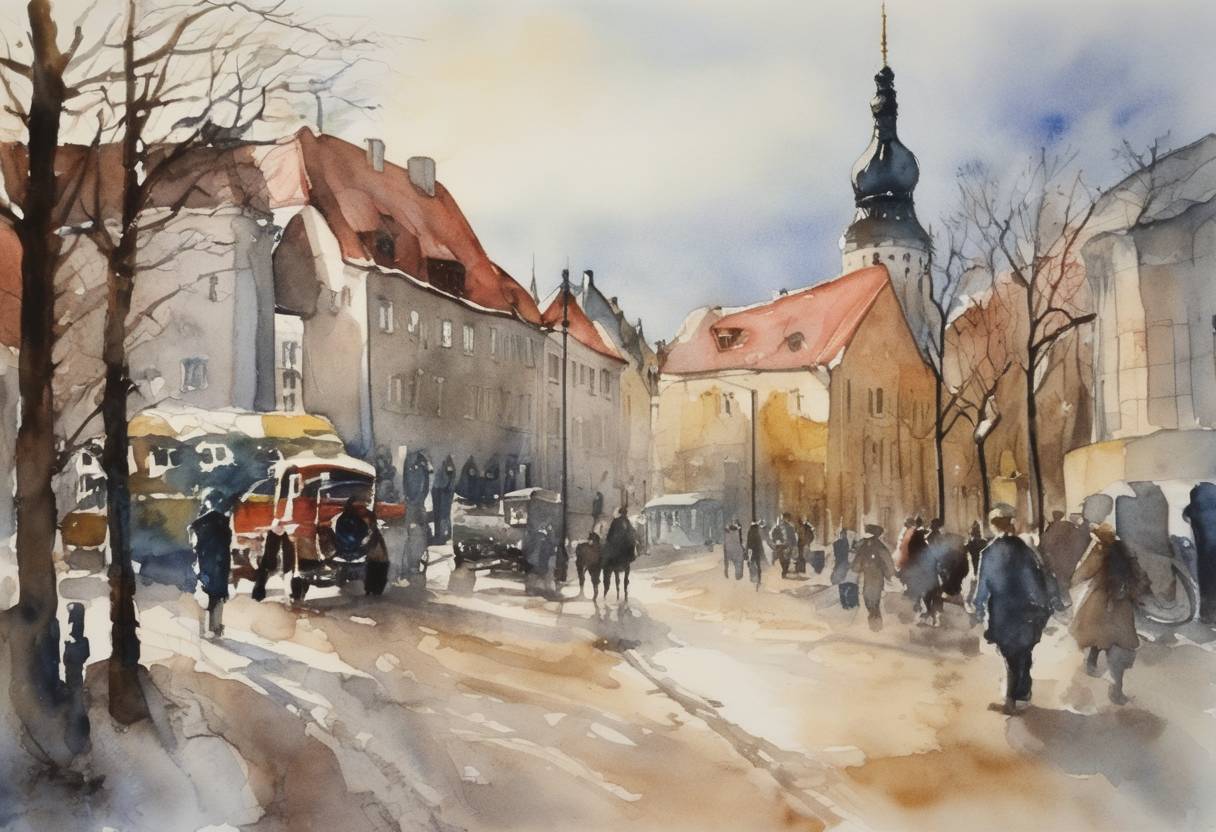
On June 28, 1992, Estonia took a decisive step towards re-establishing its sovereignty with the adoption of a new constitution through a national referendum. This pivotal event marked a crucial stage in the nation’s path to full independence following decades under Soviet occupation.
Estonia, a small Baltic nation, had lost its independence during World War II and was incorporated into the Soviet Union in 1940. Despite these years under Soviet control, the Estonian people maintained a strong sense of national identity and a persistent yearning for autonomy. The weakening of Soviet influence in the late 1980s, coupled with a rise in nationalist movements across Eastern Europe, provided the opportunity for Estonia to assert its independence.
The new constitution drew heavily from the 1938 constitution of Estonia, which had been suspended when the Soviet Union annexed Estonia. This act of returning to an earlier constitutional framework symbolized a return to Estonia’s legal roots and emphasized continuity from its pre-occupation sovereign statehood.
The national referendum held on June 28, 1992, was a democratic exercise reflecting the popular will for independence and a desire to establish governance frameworks that were truly representative of the Estonian populace. The proposed constitution was approved by a significant majority, signifying widespread support for the nation’s rebirth and self-determination. This document enshrined democratic principles, including separation of powers, human rights, and a market economy.
The adoption of the constitution was a foundational moment in Estonia’s regaining of independence and the normalization of its international relations. It laid the groundwork for future political and economic reforms and enabled Estonia to move towards integration with Western institutions, such as NATO and the European Union, which it would later join in 2004.
By institutionalizing democratic governance and affirming the rule of law, Estonia positioned itself as a burgeoning modern state within the European landscape. This pivotal moment on June 28, 1992, was not only a celebration of regained freedom but also a commitment to the principles and processes that would define Estonia’s future trajectory.
Source: en.wikipedia.org