Release of Japanese Chemical Tanker in Gulf of Aden - November 17, 2008
2008 · Gulf of Aden, Somalia
Pirates released a Japanese chemical tanker seized in the Gulf of Aden, highlighting the ongoing piracy crisis off the coast of Somalia.
August 21, 2008
Pirates hijacked a German cargo ship, MV BBC Trinidad, off the coast of Somalia, emphasizing the ongoing international issue of piracy in the region.
Off the coast of Eyl, Somalia | International Maritime Bureau
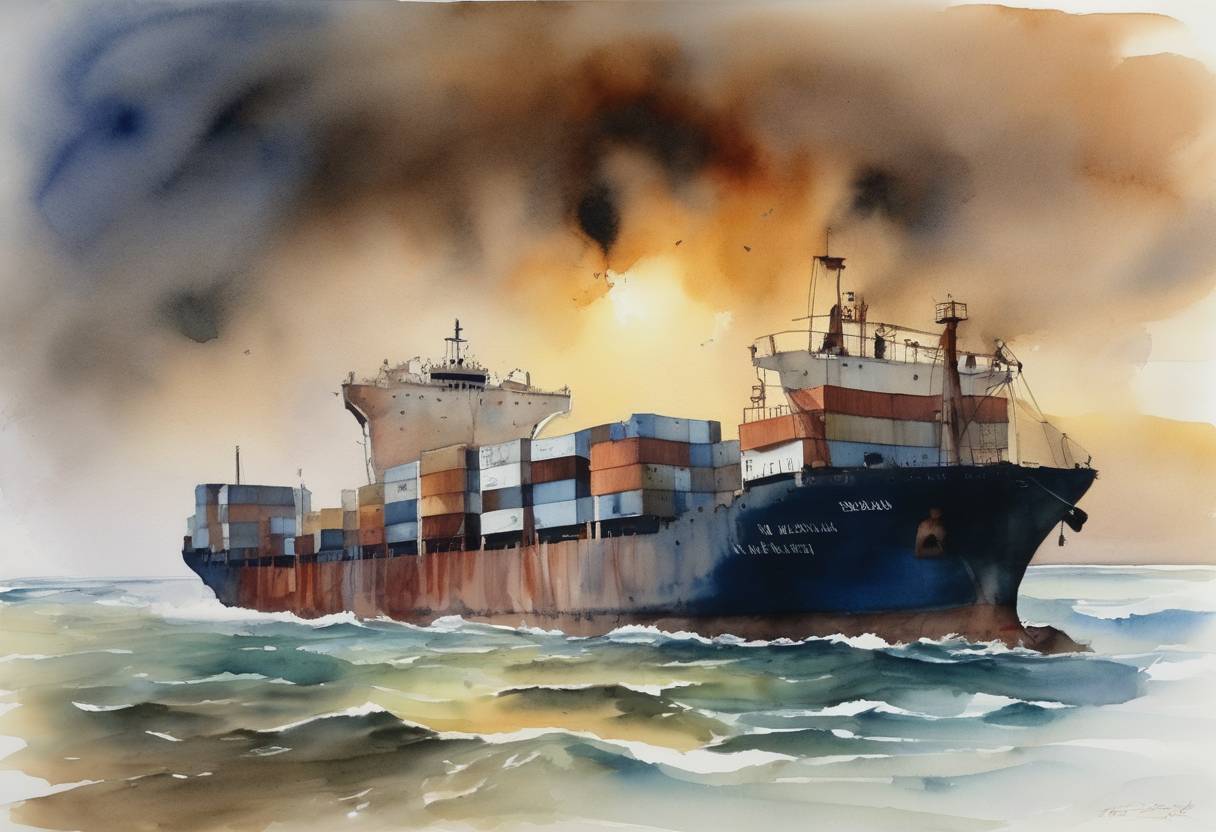
On August 21, 2008, Somali pirates hijacked the German cargo ship MV BBC Trinidad in the Gulf of Aden, a strategic chokepoint for shipping between the Middle East and Europe. This incident highlighted the ongoing and escalating crisis of piracy off the Somali coast that played a significant role in international maritime security concerns.
During the early 2000s, Somalia, plagued by political instability and lacking a functioning central government, became a hotbed for pirate activities. The Gulf of Aden and the wider waters of the Indian Ocean near Somali coasts turned into high-risk zones for commercial shipping. Pirates, often heavily armed, engaged in hijacking vessels, demanding ransoms, and using sophisticated tactics to overcome defenses.
The Vessel: The MV BBC Trinidad was a cargo ship employed for transporting goods across international waters. At the time of the hijacking, it was managed by the German shipping company, Beluga Shipping GmbH.
The Attack: While details on the exact circumstances of the attack are scarce, it constituted part of a larger pattern where pirates targeted both large commercial vessels and smaller ships. They typically employed high-speed skiffs, advanced navigational equipment, and automatic weapons to board ships.
Aftermath of the Hijacking: The vessel, along with its crew, was likely held to negotiate ransom. During this period, the common practice involved lengthy negotiations between pirate groups and shipping companies or the vessel’s home countries.
The increase in piracy incidents drew significant international attention, leading to heightened naval patrols by the European Union, NATO, and others in the region to protect shipping lanes and deter pirate activities.
Economic Impact: Ransoms and the cost of implementing protective measures resulted in financial strains on shipping companies, increasing insurance premiums and operational costs.
Security Measures: Many shipping lines began rerouting ships to avoid the Gulf of Aden, opting for longer and more secure routes around the Cape of Good Hope, impacting global shipping schedules and costs.
International Cooperation: The escalation of piracy led to unprecedented international naval cooperation, notably through missions like the EU’s Operation Atalanta and NATO’s Operation Ocean Shield, focused on escorting vessels and conducting surveillance.
The hijacking of MV BBC Trinidad on August 21, 2008, forms part of the broader narrative of maritime piracy which has had a profound impact on international trade security and policy. The incident underscores the need for continued vigilance and collaborative efforts from the international community to ensure the safety of vital maritime corridors. The lessons learned have shaped subsequent responses to maritime crime in other parts of the world.
Source: news.bbc.co.uk