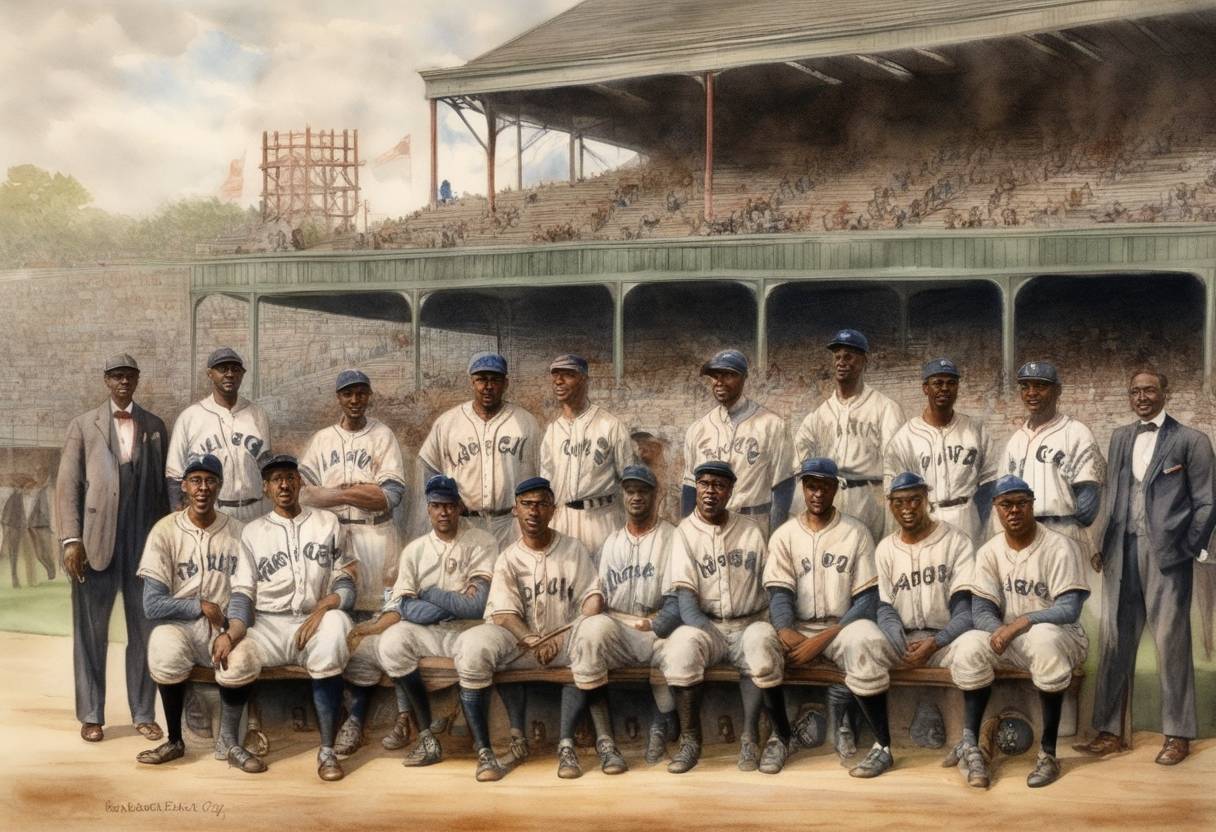
The Founding of the Negro National League (NNL)
On February 13, 1920, the Negro National League (NNL), the first successful professional African-American baseball league, was founded in Kansas City, Missouri. This pivotal moment in sports history was led by the influential baseball executive Andrew “Rube” Foster, who sought to create a structured and sustainable league for African-American baseball players at a time when racial segregation prevented them from participating in Major League Baseball (MLB).
In the early 20th century, African-American players were excluded from Major League Baseball due to racial discrimination and the enforcement of segregation laws. Despite this exclusion, baseball remained immensely popular in African-American communities, leading to the establishment of various independent black teams and leagues. However, these leagues often struggled with financial instability and a lack of organization.
Recognizing the need for a cohesive league structure, Rube Foster organized a meeting on February 13, 1920, at the Paseo YMCA in Kansas City with representatives from various Midwestern teams. This meeting resulted in the formation of the Negro National League, which became the first long-lasting professional league for African-American players.
Structure and Teams
The inaugural season of the NNL featured eight teams, primarily located in Midwestern cities:
- Chicago American Giants
- Indianapolis ABCs
- St. Louis Giants
- Detroit Stars
- Kansas City Monarchs
- Dayton Marcos
- Cuban Stars
- Chicago Giants
Foster’s vision included a structured schedule, consistent travel arrangements, and revenue-sharing mechanisms, which helped stabilize the league and attracted talented players.
Impact and Legacy
The Negro National League played a crucial role in the development of African-American baseball, providing an opportunity for black players to showcase their talents on a national stage. The league operated successfully despite the economic challenges of the Great Depression, laying the groundwork for future black baseball leagues.
The NNL’s creation was a significant step toward challenging racial segregation in professional sports and highlighted the demand for integration. It also contributed to the eventual desegregation of Major League Baseball, beginning with Jackie Robinson breaking the color barrier in 1947.
The success of the Negro National League inspired other regional leagues and paved the way for future generations of African-American athletes. Today, the NNL is remembered for its critical role in the history of baseball and the broader struggle for civil rights and racial equality in America.