7.3 Magnitude Earthquake on the Iran-Iraq Border - November 14, 2017
2017 · Sarpol-e Zahab, Iran
A 7.3 magnitude earthquake struck the Iran-Iraq border, killing over 600 people and injuring thousands.
June 22, 2002
An earthquake measuring 6.5 on the Richter scale struck northwestern Iran, causing significant damage and loss of life.
Qazvin, Iran | Iranian Seismological Center
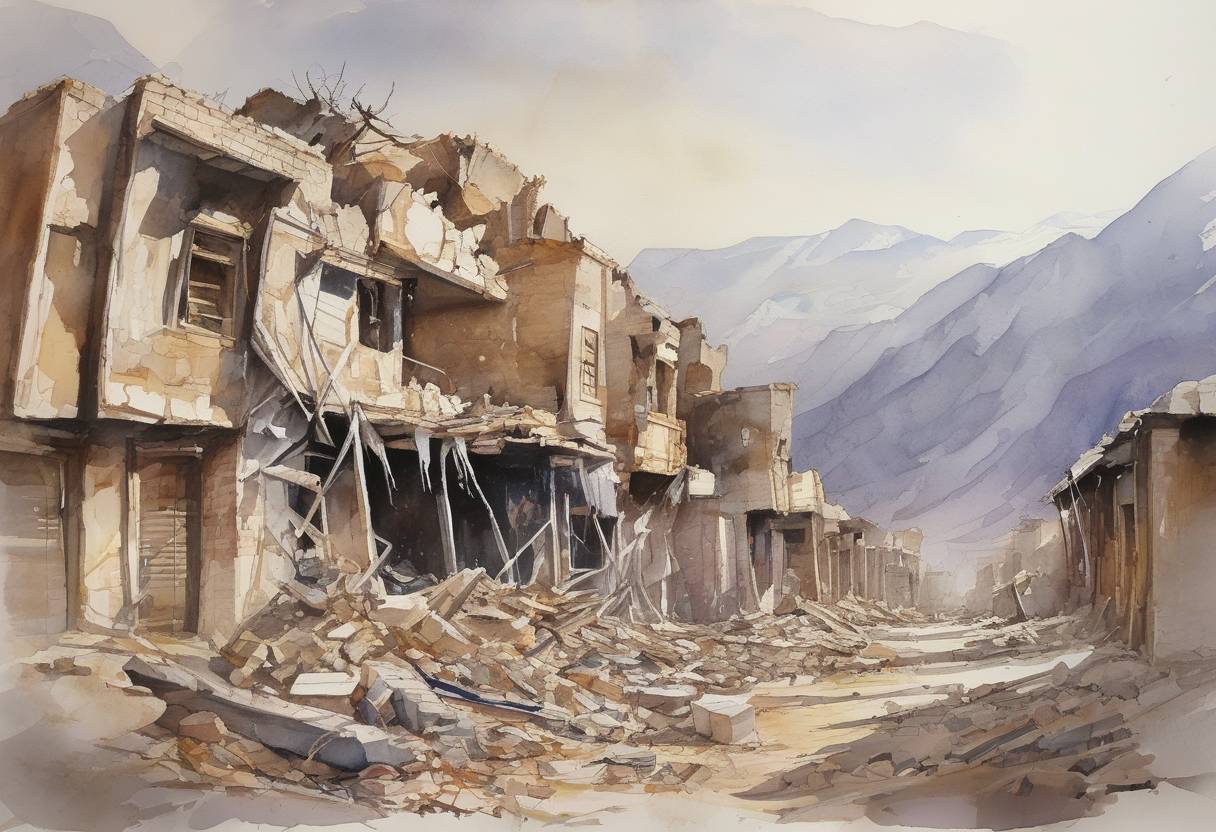
On June 22, 2002, a powerful earthquake measuring 6.5 on the Richter scale struck northwestern Iran, causing significant damage and loss of life. This natural disaster primarily affected the Qazvin, Hamadan, and Zanjan provinces, which are located in a seismically active region of Iran.
Iran is situated on several major fault lines, making it prone to frequent seismic activity. The country has experienced numerous devastating earthquakes throughout its history, often resulting in considerable human and material losses. The tectonic setting of Iran is characterized by the collision between the Arabian and Eurasian plates, which contributes to its seismic vulnerability.
The 2002 earthquake in northwestern Iran underscored the country’s vulnerability to seismic events and the importance of disaster preparedness and resilient infrastructure. It served as a reminder of the ongoing challenges faced by nations situated in tectonically active regions and the critical need for effective risk reduction strategies.
This earthquake is part of a broader pattern of seismic activity in Iran, which continues to pose a significant threat to its population and infrastructure.
Source: www.britannica.com