Winston Churchill Becomes Prime Minister of the United Kingdom
1940 · London, United Kingdom
Winston Churchill becomes Prime Minister of the United Kingdom, succeeding Neville Chamberlain.
March 27, 1854
The United Kingdom and France declared war on Russia, marking the beginning of their involvement in the Crimean War.
London, United Kingdom | British Government
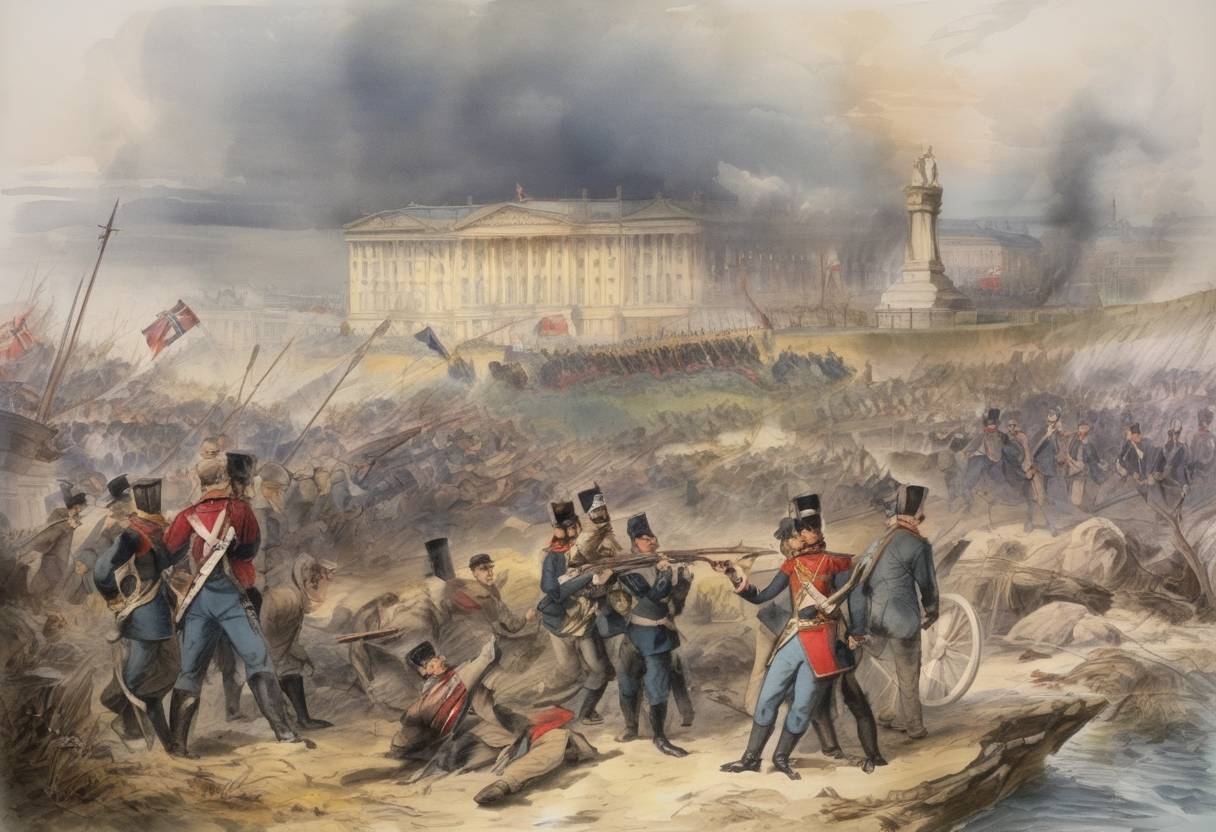
On March 27, 1854, the United Kingdom and France formally declared war on Russia, marking their entry into the Crimean War. This conflict, which lasted until 1856, was primarily fought on the Crimean Peninsula and involved several European powers. The war is notable for its impact on military strategy, international relations, and the balance of power in Europe.
The Crimean War’s origins can be traced to the decline of the Ottoman Empire and the strategic interests of European powers in the region. The immediate cause was a dispute between Russia and the Ottoman Empire over the protection of Christian minorities in the Holy Land, which was then part of the Ottoman Empire. Russia sought to extend its influence over the Orthodox Christians, while the Ottomans were supported by France and Britain, who were wary of Russian expansion.
The destruction of the Ottoman fleet at Sinop and Russia’s aggressive posture in Eastern Europe alarmed Britain and France. Both nations were concerned about maintaining the balance of power in Europe and preventing Russian dominance in the region. Consequently, on March 27, 1854, Britain and France declared war on Russia, aligning themselves with the Ottoman Empire.
The Crimean War is best known for several key battles and developments:
The Crimean War ended with the Treaty of Paris in March 1856. The treaty neutralized the Black Sea, forbidding military presence and fortifications, and returned the Danubian Principalities to Ottoman control. The war had several lasting impacts:
The Crimean War remains a significant event in 19th-century history, illustrating the complexities of international diplomacy and the evolving nature of warfare.
Source: www.britannica.com