March 21, 1844

The Bahá'í calendar, also known as the Badíʿ calendar, began. It is a solar calendar with 19 months of 19 days each, plus an additional period of 'Intercalary Days' to adjust to the solar year. This calendar is used by followers of the Bahá'í Faith.


N/A, N/A | Bahá'í Faith
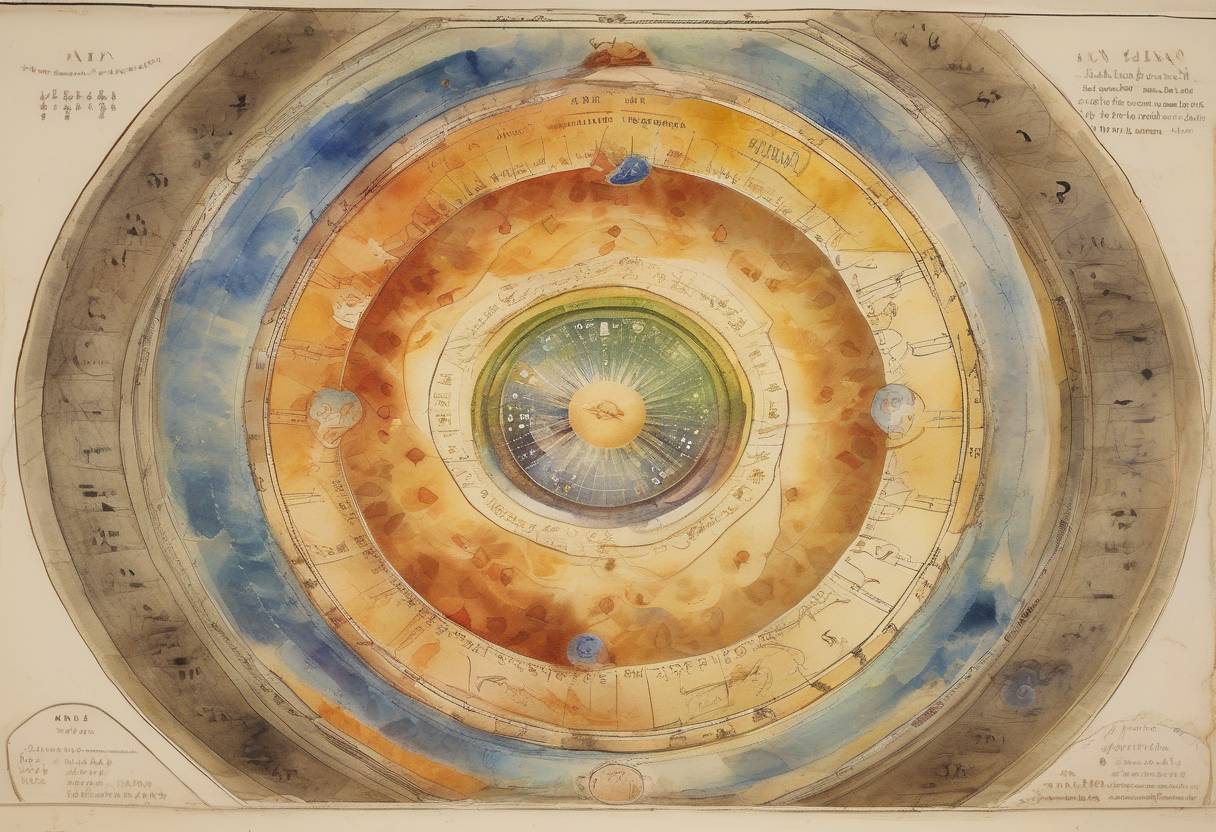
Watercolor painting based depiction of The Bahá'í calendar, also known as the Badíʿ calendar, began. It is a solar calendar with 19 months of 19 days each, plus an additional period of 'Intercalary Days' to adjust to the solar year. This calendar is used by followers of the Bahá'í Faith. (1844)

The Bahá’í Calendar (Badíʿ Calendar)

The Bahá’í calendar, also known as the Badíʿ calendar, is a unique solar calendar used by followers of the Bahá’í Faith. It was introduced by the Báb, the forerunner of Bahá’u’lláh, the founder of the Bahá’í Faith. The calendar began on March 21, 1844, which coincides with the vernal equinox, marking the beginning of the Bahá’í year.

Structure of the Calendar

  • Months and Days: The calendar consists of 19 months, each containing 19 days, totaling 361 days.
  • Intercalary Days: To align the calendar with the solar year, there are four or five additional days known as “Ayyám-i-Há” or Intercalary Days. These days are inserted before the final month of the year.
  • New Year: The Bahá’í New Year, called Naw-Rúz, occurs on the vernal equinox, around March 21st, aligning with the start of spring in the Northern Hemisphere.

Historical Context

  • The Báb: The Báb, whose title means “the Gate,” was a central figure in the Bábí movement, which laid the foundation for the Bahá’í Faith. He introduced the Badíʿ calendar as part of his religious teachings.
  • Significance: The adoption of this calendar was part of a broader effort to establish a new religious and social order, distinct from the Islamic calendar used in Persia at the time.

Cultural and Religious Significance

  • Spiritual Reflection: Each month is named after an attribute of God, such as Splendor, Glory, and Beauty, encouraging spiritual reflection and growth.
  • Community and Celebration: The Intercalary Days are a time for hospitality, charity, and gift-giving, fostering community spirit and joy.

Broader Historical Impact

  • Global Adoption: As the Bahá’í Faith spread globally, the calendar became a unifying element for Bahá’ís worldwide, transcending cultural and national boundaries.
  • Interfaith Relations: The calendar’s introduction and use highlight the Bahá’í emphasis on unity and the harmonization of religious practices with the natural world.

The Badíʿ calendar remains a vital aspect of Bahá’í identity, symbolizing the faith’s commitment to renewal, unity, and the alignment of spiritual and natural cycles.