The Dedication of the Statue of Liberty
1886 · New York City, United States
The Statue of Liberty is dedicated in New York Harbor by President Grover Cleveland.
January 1, 1892
Ellis Island begins processing immigrants to the United States, becoming the nation's busiest immigrant inspection station.
New York City, United States | United States Government
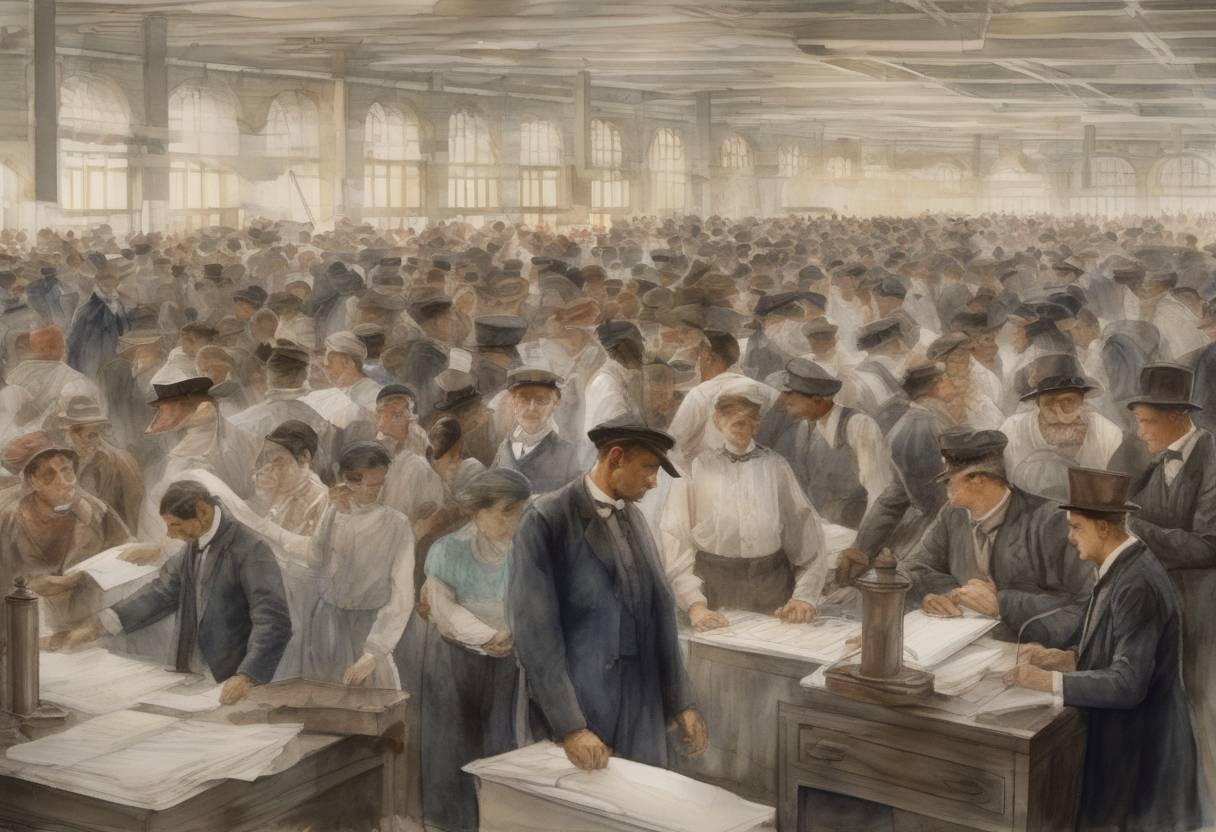
On January 1, 1892, Ellis Island officially opened as the United States’ primary immigration inspection station. Located in New York Harbor, near the Statue of Liberty, Ellis Island became a symbol of hope and opportunity for millions of immigrants seeking a new life in America.
Before Ellis Island, immigration processing in New York was conducted at Castle Garden, located at the Battery in Manhattan, from 1855 to 1890. However, due to increasing immigration and the need for more efficient processing facilities, the federal government decided to establish a new station on Ellis Island.
The first immigrant to be processed at Ellis Island was Annie Moore, a 15-year-old girl from County Cork, Ireland. She arrived with her two younger brothers and was greeted with a welcoming ceremony, marking the beginning of a new era in American immigration.
Ellis Island played a crucial role in shaping the demographic and cultural landscape of the United States. It served as the gateway for immigrants during a period of significant growth and industrialization in America. The stories of those who passed through Ellis Island are integral to the narrative of American immigration and the nation’s identity as a land of opportunity.
Ellis Island continued to operate as an immigration station until 1954. After its closure, the site fell into disrepair but was later restored and opened to the public as a museum in 1990. Today, the Ellis Island National Museum of Immigration serves as a testament to the millions of immigrants who helped build the United States.
Ellis Island remains a powerful symbol of the immigrant experience and the enduring promise of the American dream.
Source: en.wikipedia.org