1832 · London, United Kingdom
The Great Reform Act received royal assent, marking a major political reform in Britain.
April 13, 1829
The Roman Catholic Relief Act was passed by the British Parliament, allowing Catholics to sit in the parliament and hold public office.
London, United Kingdom | British Parliament
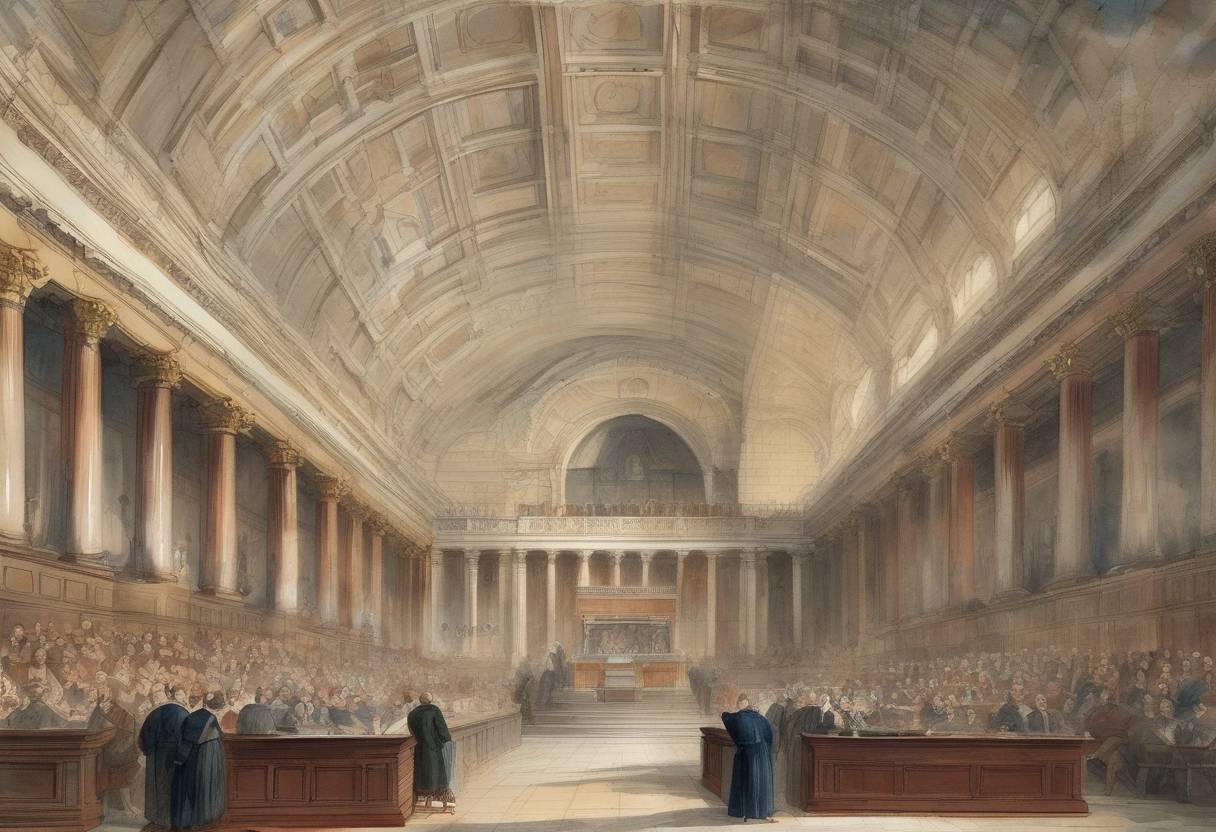
On April 13, 1829, the British Parliament passed the Roman Catholic Relief Act, a landmark piece of legislation that significantly altered the political landscape of the United Kingdom by allowing Roman Catholics to sit in Parliament and hold public office. This act was a pivotal moment in the history of religious and civil rights in Britain.
The passage of the Roman Catholic Relief Act was the culmination of a long struggle for Catholic emancipation in Britain and Ireland. Since the Reformation, Catholics in Britain had faced severe restrictions under a series of penal laws that limited their civil rights. These laws were designed to ensure Protestant supremacy and included prohibitions on Catholics holding public office, voting, and inheriting property.
The late 18th and early 19th centuries saw increasing pressure for reform. The Catholic population, particularly in Ireland, was growing increasingly restless under these restrictions. The Act of Union in 1801, which merged the Irish and British Parliaments, further intensified demands for Catholic emancipation as Irish Catholics sought representation in the unified Parliament.
Catholic Association: Founded by Daniel O’Connell in 1823, the Catholic Association became a powerful political force advocating for Catholic rights. It mobilized mass support and applied pressure on the British government.
Election of Daniel O’Connell: In 1828, Daniel O’Connell, a Catholic, won a seat in the House of Commons for County Clare. However, he could not take his seat due to the existing laws. This event highlighted the urgent need for reform.
Political Pressure: The British Prime Minister, the Duke of Wellington, and Home Secretary Robert Peel, both initially opposed to Catholic emancipation, recognized the potential for civil unrest and the necessity of reform to maintain stability.
The Roman Catholic Relief Act of 1829 effectively repealed many of the restrictions on Catholics. Key provisions included:
The passage of the Roman Catholic Relief Act was a significant step towards religious equality in Britain. It marked the beginning of the end for the penal laws and paved the way for further reforms. However, the act did not address all grievances, and some restrictions remained, particularly in Ireland.
The act also had broader implications for British politics. It demonstrated the power of organized political movements and set a precedent for future reforms. The success of the Catholic Association inspired other groups to campaign for their rights, contributing to the broader movement for political and social reform in the 19th century.
In conclusion, the Roman Catholic Relief Act of 1829 was a crucial milestone in the journey towards religious and civil equality in the United Kingdom, reflecting the changing attitudes and pressures of the time.
Source: en.wikipedia.org