2019 · Everest Region, Nepal
Two climbers died on Mount Everest, bringing the death toll for the climbing season to eleven.
September 26, 2015
Mount Everest region suffers a major avalanche that resulted in the destruction of the first and second base camps. The avalanche was part of a broader series of seismic activities affecting Nepal.
Mount Everest, Nepal
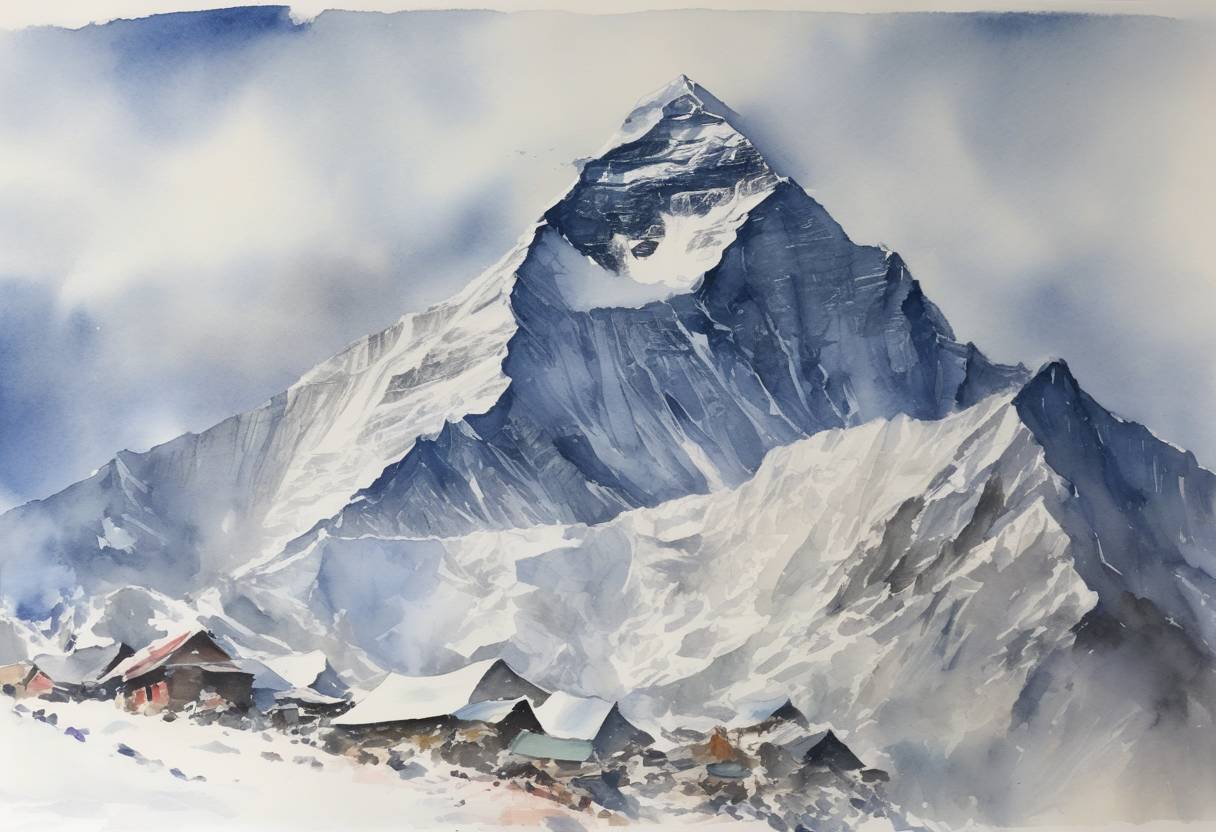
On September 26, 2015, the Mount Everest region experienced a severe avalanche that significantly impacted the first and second base camps. This event was part of a broader series of seismic activities affecting Nepal, a country prone to earthquakes due to its position on the convergent boundary between the Indian and Eurasian tectonic plates.
Seismic Activity: Earlier in the year, Nepal was struck by a devastating earthquake on April 25, 2015, with a magnitude of 7.8. This earthquake caused widespread destruction and led to a series of aftershocks that continued to impact the region in the following months. The April earthquake and its aftershocks destabilized many parts of the Himalayan region, increasing the likelihood of avalanches.
Recent Geology: By late September, the continued minor tremors and shifts within the Earth’s crust maintained a heightened risk of natural hazards, including avalanches in the mountainous terrains of Nepal.
Base Camp Destruction: The avalanche that occurred on September 26 was powerful enough to destroy the first and second base camps. These camps are critical points for mountaineers attempting to summit Mount Everest. They provide necessary infrastructure and support, such as tents and supplies, making their destruction a significant setback.
Casualties and Damage: The destruction of base camps impacted climbers and local workers, although exact casualty figures specific to this date are not well-documented separately from other events around the time. However, damage to the infrastructure and the psychological toll on the local population and mountaineering community were substantial.
Tourism and Mountaineering Impact: The avalanche further discouraged mountaineering activities in the region that year, following the already devastating April earthquake. Climbers from around the world were rethinking their expeditions due to safety concerns.
Humanitarian Response: The events prompted increased efforts in disaster response and relief by both the Nepalese government and international aid organizations. Efforts focused on rebuilding infrastructure, including the damaged base camps, and providing essential services to affected communities.
Awareness and Preparedness: The cumulative seismic activities in 2015 heightened awareness about the vulnerabilities facing mountainous regions. This resulted in renewed discussions regarding safety protocols, the development of early warning systems, and the need for robust disaster management strategies to protect both local communities and adventurers.
The avalanche on September 26, 2015, serves as a reminder of the persistent risks posed by natural disasters in seismically active regions and underscores the importance of preparedness and resilience in the face of environmental unpredictability.
Source: www.npr.org