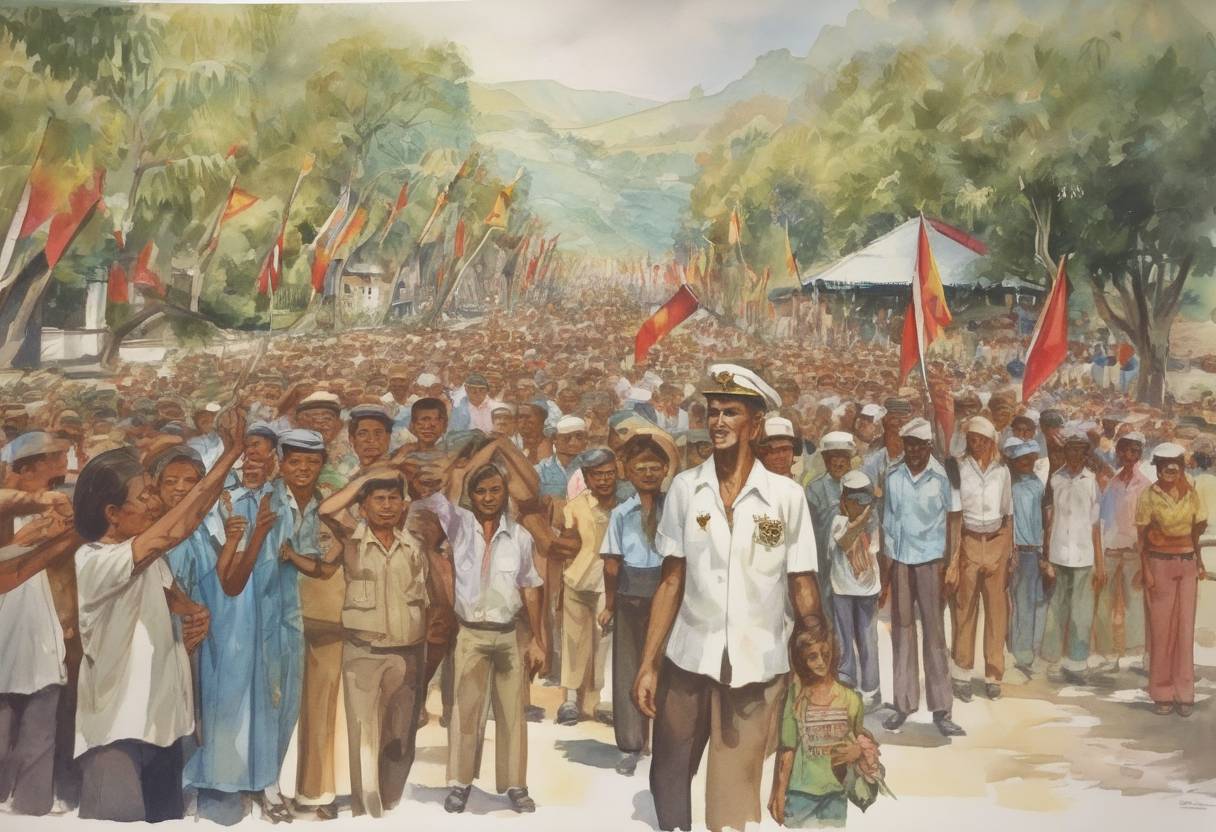
East Timor Declares Independence from Portugal on November 28, 1975
On November 28, 1975, East Timor, a small Southeast Asian nation located on the eastern half of the island of Timor, declared its independence from Portugal. This event marked a significant moment in the region’s tumultuous history, as East Timor sought to establish itself as a sovereign nation after centuries of colonial rule.
Historical Context
Portuguese Colonial Rule
- Early Colonization: East Timor was colonized by Portugal in the early 16th century. It remained under Portuguese control for over 400 years, during which time the colonial administration focused on exploiting the island’s resources, particularly sandalwood and coffee.
- Decolonization Wave: By the mid-20th century, a wave of decolonization was sweeping across Africa and Asia. Portugal, under the authoritarian Estado Novo regime, resisted this trend until the Carnation Revolution in April 1974, which led to a change in government and a shift towards decolonization.
Path to Independence
- Political Awakening: Following the Carnation Revolution, political activity in East Timor surged, with various parties emerging. The most prominent were the Revolutionary Front for an Independent East Timor (FRETILIN), the Timorese Democratic Union (UDT), and the Timorese Popular Democratic Association (APODETI), which favored integration with Indonesia.
- Civil Conflict: In August 1975, tensions between FRETILIN and UDT escalated into a brief civil war, resulting in FRETILIN gaining control of the capital, Dili.
Declaration of Independence
- Proclamation: On November 28, 1975, FRETILIN unilaterally declared East Timor’s independence, establishing the Democratic Republic of East Timor. The declaration was a bold move, as the region was still grappling with internal divisions and external pressures.
- International Response: The declaration was not widely recognized internationally. Many countries were cautious, given the geopolitical tensions in Southeast Asia and the looming threat of Indonesian intervention.
Aftermath and Consequences
- Indonesian Invasion: Just nine days after the declaration, on December 7, 1975, Indonesia launched a full-scale invasion of East Timor, citing concerns over regional stability and the spread of communism. This led to a brutal occupation that lasted until 1999.
- Struggle for Independence: During the Indonesian occupation, East Timor experienced significant human rights abuses and loss of life. The struggle for independence continued, supported by international solidarity movements.
- Eventual Independence: After a UN-sponsored referendum in 1999, where the East Timorese overwhelmingly voted for independence, East Timor finally achieved full sovereignty on May 20, 2002.
Broader Historical Significance
The declaration of independence on November 28, 1975, was a pivotal moment in East Timor’s history. It set the stage for a prolonged struggle against foreign occupation and highlighted the resilience and determination of the East Timorese people. The eventual success in gaining independence serves as a testament to their enduring spirit and the global community’s role in supporting self-determination and human rights.