The Release of the First Generation iPad: April 3, 2010
2010 · Cupertino, United States
Apple Inc. released the first generation iPad, marking a significant milestone in the development of tablet computing.
October 4, 2011
Apple Inc. announces the iPhone 4S, featuring the introduction of Siri, a voice-activated personal assistant.
Cupertino, United States | Apple Inc.
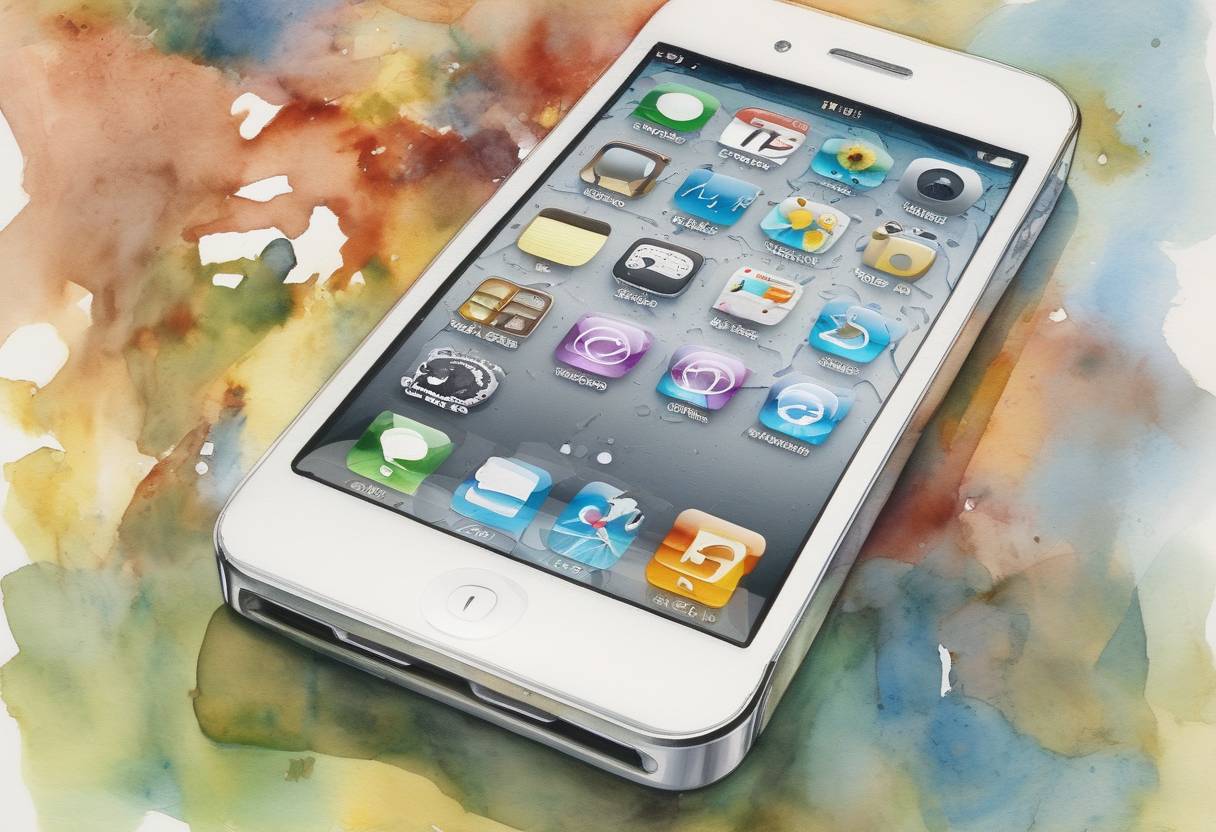
On October 4, 2011, Apple Inc. announced the iPhone 4S, marking a significant moment in the evolution of smartphones. This event took place at Apple’s Cupertino headquarters and was the first major product announcement led by Tim Cook, who had recently taken over as CEO following Steve Jobs’ resignation due to health issues.
The iPhone 4S introduced several new features and improvements over its predecessor, the iPhone 4:
Siri: The most notable feature was Siri, a voice-activated personal assistant. Siri allowed users to perform tasks and retrieve information using natural language voice commands, setting a new standard for smartphone interaction.
A5 Chip: The device was powered by the dual-core A5 chip, which significantly improved performance and graphics capabilities, enhancing the overall user experience.
Camera Enhancements: The iPhone 4S featured an 8-megapixel camera with improved optics, allowing for higher-quality photos and 1080p HD video recording.
iOS 5: The phone shipped with iOS 5, which introduced features like iMessage, Notification Center, and iCloud, further integrating Apple’s ecosystem.
Design: While the external design remained similar to the iPhone 4, the internal upgrades made the 4S a more powerful and efficient device.
The announcement of the iPhone 4S came at a pivotal time for Apple. It was the first major product launch without Steve Jobs at the helm, and there was significant public interest in how the company would fare under new leadership. The introduction of Siri was particularly groundbreaking, as it represented a major step forward in human-computer interaction and set the stage for future developments in artificial intelligence and voice recognition technology.
The iPhone 4S was well-received by consumers and critics alike, contributing to Apple’s continued dominance in the smartphone market. It also laid the groundwork for future innovations in mobile technology, influencing how users interact with their devices.
The iPhone 4S went on to become a commercial success, selling millions of units worldwide. Siri’s introduction sparked a trend in the tech industry, leading to the development of similar voice-activated assistants by other companies, such as Google Assistant and Amazon’s Alexa.
Tragically, just one day after the announcement, on October 5, 2011, Steve Jobs passed away. His death marked the end of an era for Apple, but the success of the iPhone 4S demonstrated the company’s resilience and ability to innovate beyond his leadership.
Overall, the launch of the iPhone 4S and Siri’s introduction were pivotal moments in Apple’s history, influencing the trajectory of smartphone technology and user interaction for years to come.
Source: www.apple.com