The First Arrest for Drunk Driving: George Smith, September 10, 1897
1897 · London, United Kingdom
A London taxi driver named George Smith became the first person ever arrested for drunk driving after slamming his cab into a building.
August 31, 1888
Mary Ann Nichols is murdered, the first of Jack the Ripper's confirmed victims.
London, United Kingdom | Metropolitan Police Service
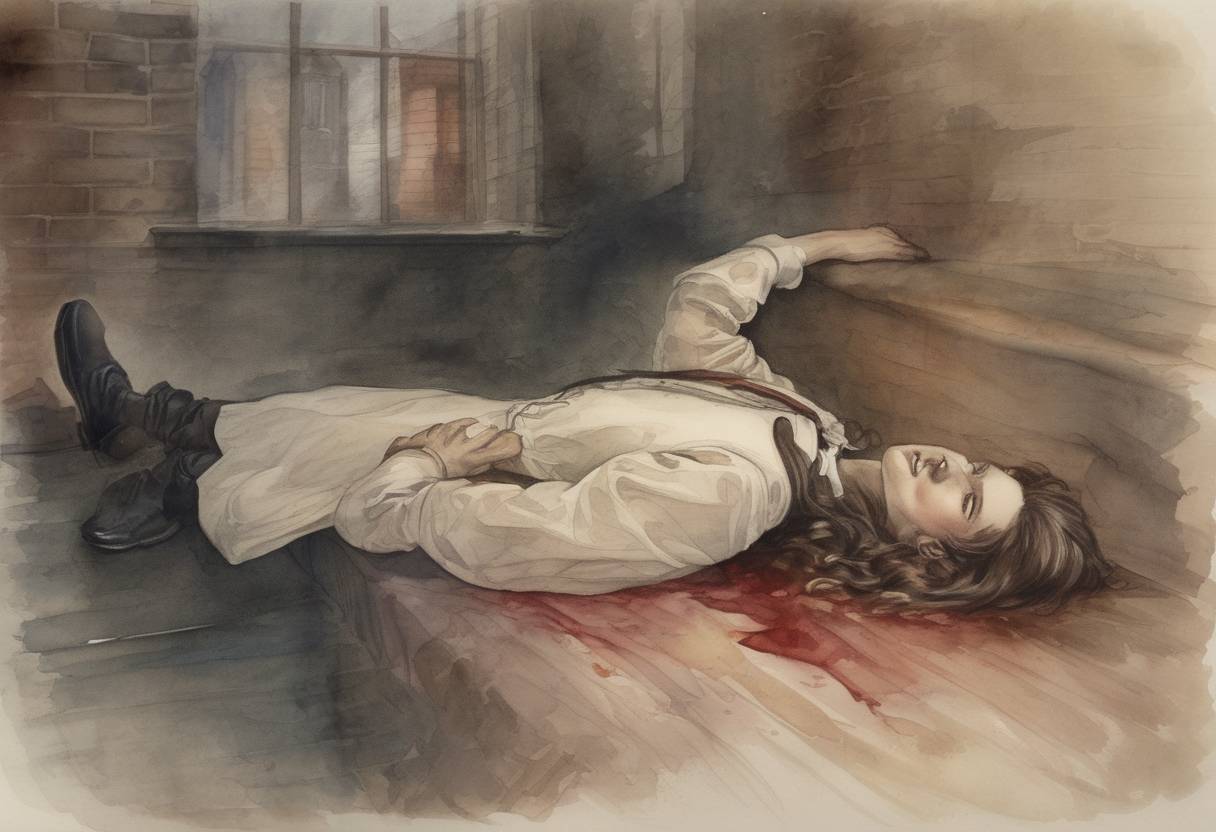
On August 31, 1888, the body of Mary Ann Nichols was discovered in the Whitechapel district of London, marking the beginning of the infamous series of murders attributed to the unidentified serial killer known as Jack the Ripper. This event is significant not only for its immediate impact but also for its enduring place in criminal history.
Mary Ann Nichols, often referred to as “Polly,” was born on August 26, 1845. She lived a life marked by poverty and hardship, common among the working-class residents of East London during the late 19th century. By the time of her death, Nichols was estranged from her family and living in precarious conditions, often resorting to prostitution to survive.
In the early hours of August 31, 1888, Nichols’ body was found in Buck’s Row (now Durward Street) by Charles Cross, a local carman, and Robert Paul, another passerby. Her throat had been slashed, and her abdomen mutilated, indicating a level of violence that shocked the local community and authorities.
The murder of Mary Ann Nichols was initially investigated by the Metropolitan Police Service. The brutality of the crime, coupled with the lack of witnesses or clear motives, posed significant challenges. Her murder was soon linked to a series of similar killings in the area, characterized by extreme violence and targeting of women involved in prostitution.
Nichols’ murder is considered the first of the “canonical five” victims of Jack the Ripper, a moniker given to the unidentified killer responsible for a series of murders in the Whitechapel area between August and November 1888. The other victims include Annie Chapman, Elizabeth Stride, Catherine Eddowes, and Mary Jane Kelly. The Ripper’s identity remains one of history’s greatest mysteries, with numerous theories and suspects proposed over the years.
The murder of Mary Ann Nichols and the subsequent Ripper killings had a profound impact on Victorian society. They highlighted the severe social issues of the time, including poverty, the plight of women, and the inadequacies of the police force. The case also marked a turning point in the media’s role in crime reporting, as newspapers sensationalized the murders, contributing to public fear and fascination.
Despite extensive investigations and numerous suspects, the identity of Jack the Ripper was never conclusively determined. The case remains a subject of intense study and speculation, symbolizing the darker aspects of urban life during the Victorian era.
Mary Ann Nichols’ tragic death serves as a grim reminder of the vulnerabilities faced by marginalized individuals in society and continues to captivate the public imagination more than a century later.
Source: en.wikipedia.org