Extinction of the Bali Tiger on September 26, 1937
1937 · Bali, Indonesia
The Bali Tiger is declared extinct in the wild due to habitat loss and hunting.
September 27, 1937
The last Bali tiger is shot, marking the extinction of the species.
Bali, Indonesia | local hunters
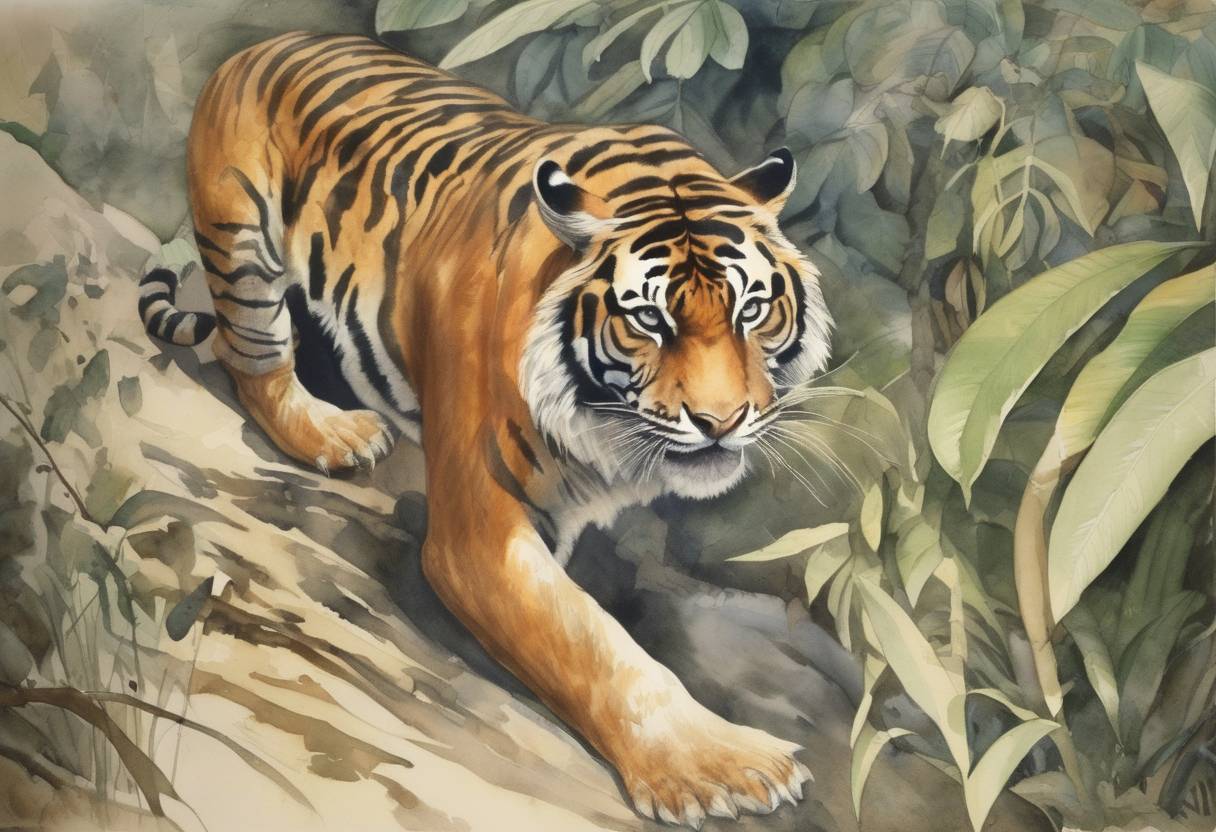
On September 27, 1937, the last known Bali tiger (Panthera tigris balica) was reportedly shot, marking the extinction of this subspecies. The Bali tiger was native to the Indonesian island of Bali and was one of the smallest tiger subspecies, characterized by its relatively small size and distinct coat pattern.
Habitat and Range: The Bali tiger was endemic to the island of Bali, which provided a limited habitat range. The island’s dense forests and mountainous regions were the natural habitat for these tigers.
Human Encroachment: The early 20th century saw increased human settlement and agricultural expansion on Bali, leading to significant habitat loss for the tigers. The conversion of forests into farmland drastically reduced their living space.
Hunting and Conflict: Tigers were often hunted for sport and as a means of protecting livestock. The cultural perception of tigers as threats to human settlements further fueled hunting activities.
Population Decline: By the early 1900s, the Bali tiger population had already dwindled significantly due to habitat destruction and hunting pressures.
Final Sightings: The last confirmed sighting of a Bali tiger in the wild was in the late 1930s. The exact date of the last tiger’s death is often cited as September 27, 1937, though some accounts suggest it may have occurred slightly earlier.
Biodiversity Loss: The extinction of the Bali tiger marked a significant loss in biodiversity, as it was one of the three subspecies of tigers native to the Indonesian archipelago, alongside the Javan and Sumatran tigers.
Conservation Awareness: The extinction of the Bali tiger, along with other subspecies, highlighted the urgent need for wildlife conservation efforts. It served as a wake-up call for the preservation of other endangered species.
Legacy: Today, the Bali tiger is remembered as a symbol of the consequences of unchecked human expansion and exploitation of natural resources. It underscores the importance of sustainable practices and conservation efforts to protect remaining tiger populations and other endangered species.
The extinction of the Bali tiger remains a poignant reminder of the delicate balance between human development and wildlife conservation. It emphasizes the need for continued efforts to protect the planet’s remaining biodiversity.
Source: en.wikipedia.org