SpaceX Crew Dragon: Maiden Flight DM-1
2019 · Cape Canaveral, United States
SpaceX’s Crew Dragon spacecraft successfully launched on its maiden flight, DM-1, as part of NASA's Commercial Crew Program.
December 8, 2010
SpaceX's Dragon spacecraft became the first commercial spacecraft to be successfully recovered from orbit, marking a milestone in private space exploration.
Cape Canaveral, United States | SpaceX
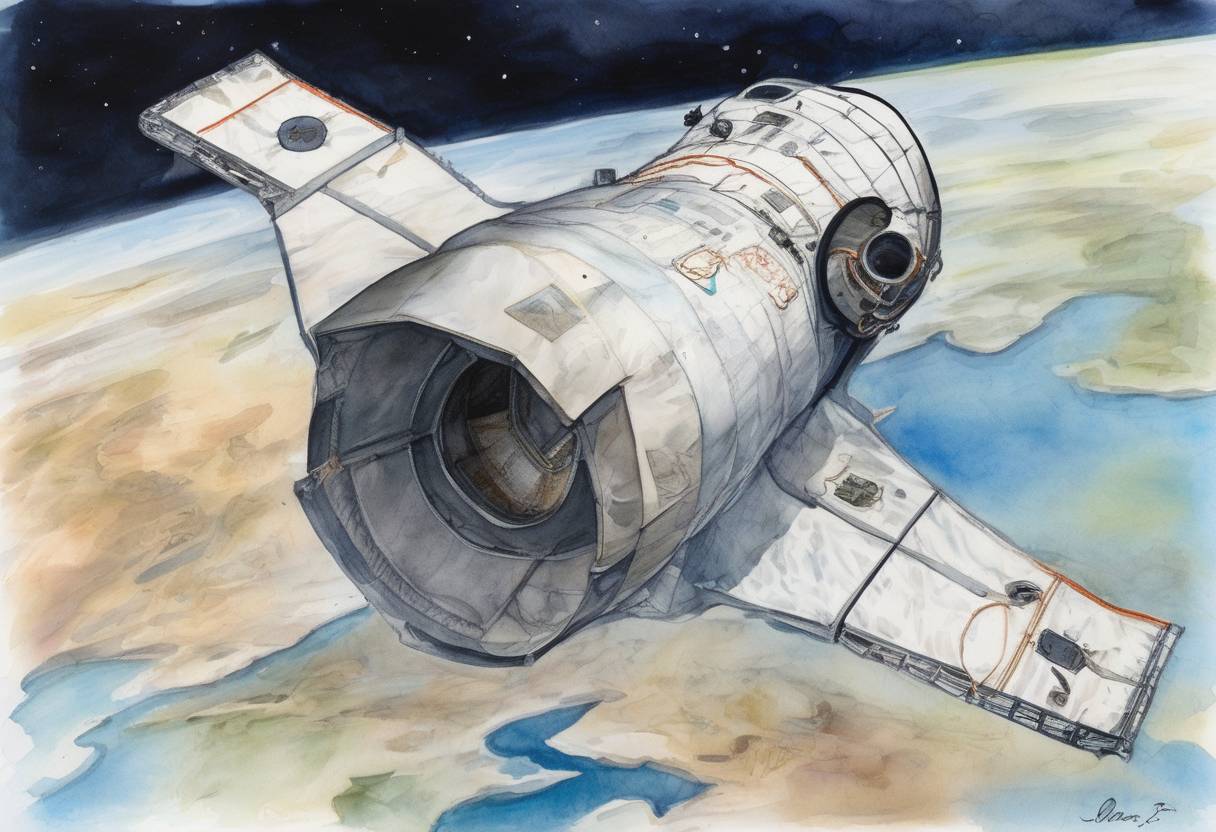
On December 8, 2010, SpaceX achieved a significant milestone in the realm of private space exploration with the successful recovery of its Dragon spacecraft from orbit. This event marked the first time a commercial spacecraft was retrieved after orbiting Earth, underscoring the potential for private companies to contribute to space exploration and transportation.
SpaceX, founded by Elon Musk in 2002, aimed to reduce space transportation costs and enable the colonization of Mars. The Dragon spacecraft was developed as part of NASA’s Commercial Orbital Transportation Services (COTS) program, which sought to foster private sector capabilities in space transportation following the retirement of the Space Shuttle.
Following this mission, SpaceX continued to refine and expand its capabilities. The Dragon spacecraft became a workhorse for NASA, regularly delivering cargo to the ISS. In 2020, SpaceX achieved another historic milestone by launching astronauts to the ISS aboard the Crew Dragon, marking the first crewed orbital flight by a private company.
The December 8, 2010, mission stands as a testament to the potential of commercial spaceflight and the growing role of private enterprises in the exploration and utilization of space.
Source: www.nasa.gov