California Supreme Court Overturns Ban on Same-Sex Marriage
2008 · San Francisco, United States
California Supreme Court overturned the state's ban on same-sex marriage, making California the second state in the U.S. to legalize same-sex marriage.
November 18, 2003
The Massachusetts Supreme Judicial Court ruled in Goodridge v. Department of Public Health that the state could not deny marriage licenses to same-sex couples, making Massachusetts the first U.S. state to legalize same-sex marriage.
Boston, United States | Massachusetts Supreme Judicial Court
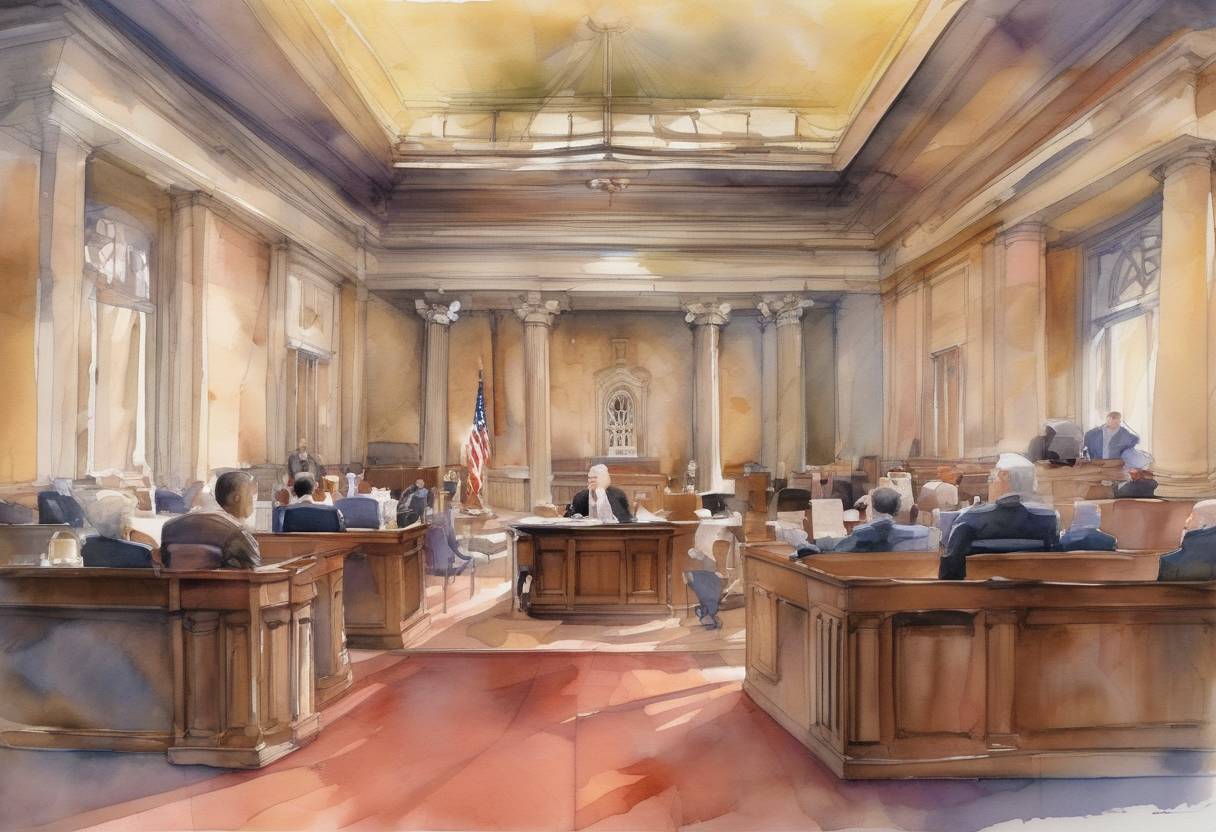
On November 18, 2003, the Massachusetts Supreme Judicial Court issued a groundbreaking decision in the case of Goodridge v. Department of Public Health. This ruling made Massachusetts the first U.S. state to legalize same-sex marriage, marking a pivotal moment in the history of LGBTQ+ rights in the United States.
The case was brought forward by seven same-sex couples who had been denied marriage licenses by the Massachusetts Department of Public Health. They argued that this denial violated the Massachusetts Constitution, which guarantees equality and liberty to all citizens. The plaintiffs were represented by Gay & Lesbian Advocates & Defenders (GLAD), a legal rights organization dedicated to ending discrimination based on sexual orientation, HIV status, and gender identity and expression.
The Massachusetts Supreme Judicial Court, in a 4-3 decision, ruled that the state’s ban on same-sex marriage was unconstitutional. The majority opinion, written by Chief Justice Margaret H. Marshall, stated that the denial of marriage licenses to same-sex couples violated the principles of individual liberty and equality under the Massachusetts Constitution. The court emphasized that marriage is a fundamental right and that the state had no adequate justification for denying this right to same-sex couples.
Chief Justice Marshall wrote:
“The Massachusetts Constitution affirms the dignity and equality of all individuals. It forbids the creation of second-class citizens.”
The court gave the state legislature 180 days to change the law to comply with its ruling. As a result, same-sex marriages began on May 17, 2004. This decision not only allowed same-sex couples in Massachusetts to marry but also set a precedent that influenced subsequent legal battles and public opinion across the United States.
The Goodridge decision was a catalyst for the national conversation on marriage equality. It inspired similar legal challenges in other states and contributed to the growing movement that ultimately led to the U.S. Supreme Court’s decision in Obergefell v. Hodges in 2015, which legalized same-sex marriage nationwide.
The ruling in Goodridge v. Department of Public Health was a significant milestone in the fight for LGBTQ+ rights. It underscored the role of state courts in advancing civil rights and highlighted the importance of state constitutions in protecting individual liberties. The decision also demonstrated the power of grassroots advocacy and legal strategy in effecting social change.
In summary, the Massachusetts Supreme Judicial Court’s decision in Goodridge was a landmark moment that not only transformed the legal landscape for same-sex couples in Massachusetts but also paved the way for broader acceptance and legal recognition of same-sex marriage across the United States.
Source: www.mass.gov