Enthronement of Emperor Kōmyō: August 2, 1377
1377 · Kyoto, Japan
Enthronement of Emperor Kōmyō as the pretender emperor of Japan.
October 22, 0794
Emperor Kanmu moved the Japanese capital to Heian-kyō (present-day Kyoto), marking the beginning of the Heian period, which lasted until 1185.
Heian-kyō (Kyoto), Japan | Imperial Court of Japan
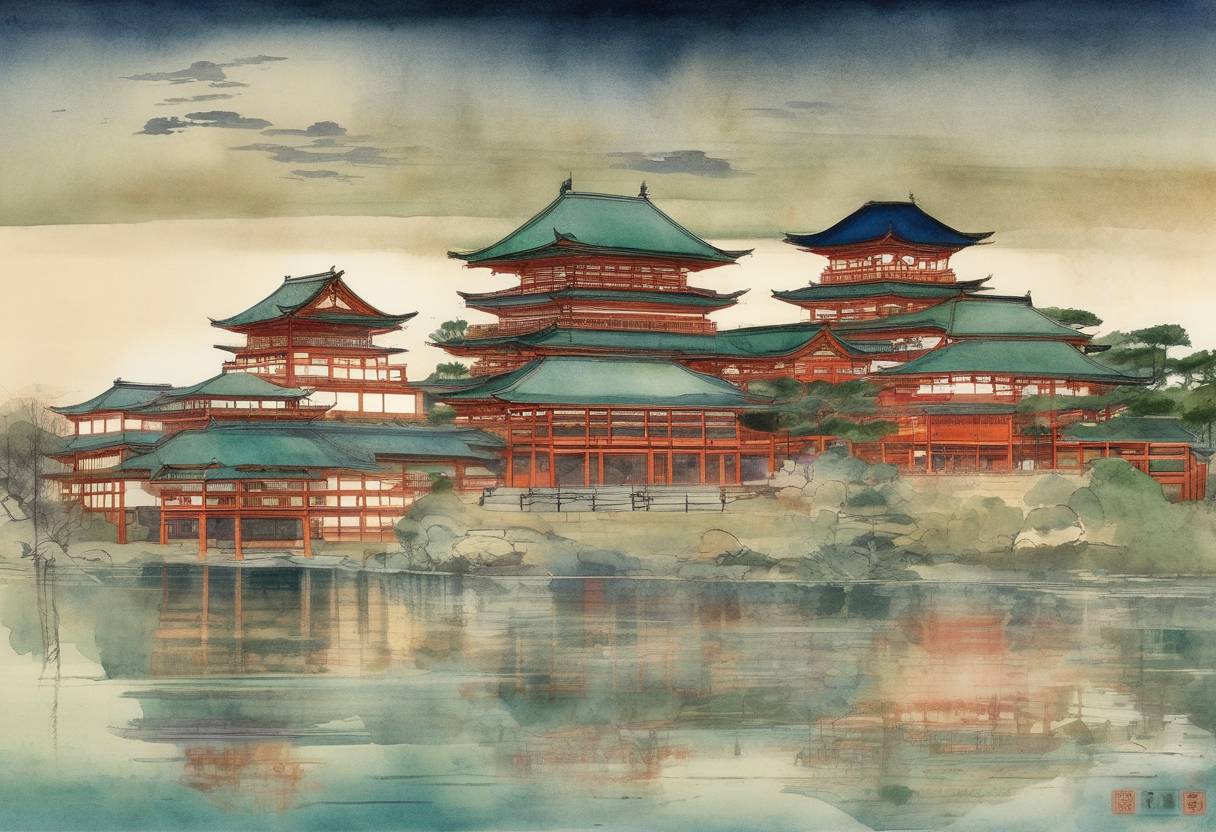
On October 22, 794, Emperor Kanmu officially moved the Japanese capital to Heian-kyō, known today as Kyoto. This significant event marked the beginning of the Heian period, a pivotal era in Japanese history that lasted until 1185.
Before the move to Heian-kyō, the Japanese capital had been relocated several times due to various political and spiritual reasons. The immediate predecessor to Heian-kyō was Nagaoka-kyō, which was established in 784. However, Nagaoka-kyō faced numerous challenges, including political strife and natural disasters, which prompted the search for a more stable location.
Emperor Kanmu, who reigned from 781 to 806, sought to consolidate imperial power and reduce the influence of powerful Buddhist monasteries that had become politically influential in the previous capitals. The move to Heian-kyō was part of his broader strategy to establish a new political and cultural center that would be free from these influences.
Heian-kyō was strategically chosen for its favorable geography, which included protection from natural disasters and a location that facilitated trade and communication. The city was meticulously planned, drawing inspiration from the Chinese capital of Chang’an, with a grid-like layout that symbolized order and harmony.
The relocation of the capital to Heian-kyō was not just a physical move but also a cultural and political shift. It marked the beginning of a period characterized by the flourishing of Japanese culture, art, and literature. The Heian period is renowned for its courtly culture, with the development of a distinct Japanese identity that included the creation of kana syllabaries and the production of classic literary works such as “The Tale of Genji” by Murasaki Shikibu.
The establishment of Heian-kyō as the capital had long-lasting impacts on Japanese history. It remained the imperial capital for over a thousand years, even after the political power shifted to other cities like Kamakura and Edo (modern-day Tokyo). The Heian period itself is often seen as a golden age of classical Japanese culture, with significant advancements in art, literature, and architecture.
The move also set the stage for the eventual decline of centralized imperial power, as the Heian period saw the rise of powerful aristocratic families, such as the Fujiwara clan, who wielded significant influence over the imperial court. This shift in power dynamics eventually led to the emergence of the samurai class and the establishment of the Kamakura shogunate in 1185, marking the end of the Heian period.
In summary, the relocation of the capital to Heian-kyō by Emperor Kanmu was a transformative event in Japanese history, laying the foundation for a culturally rich and politically complex era that would shape the nation’s development for centuries to come.